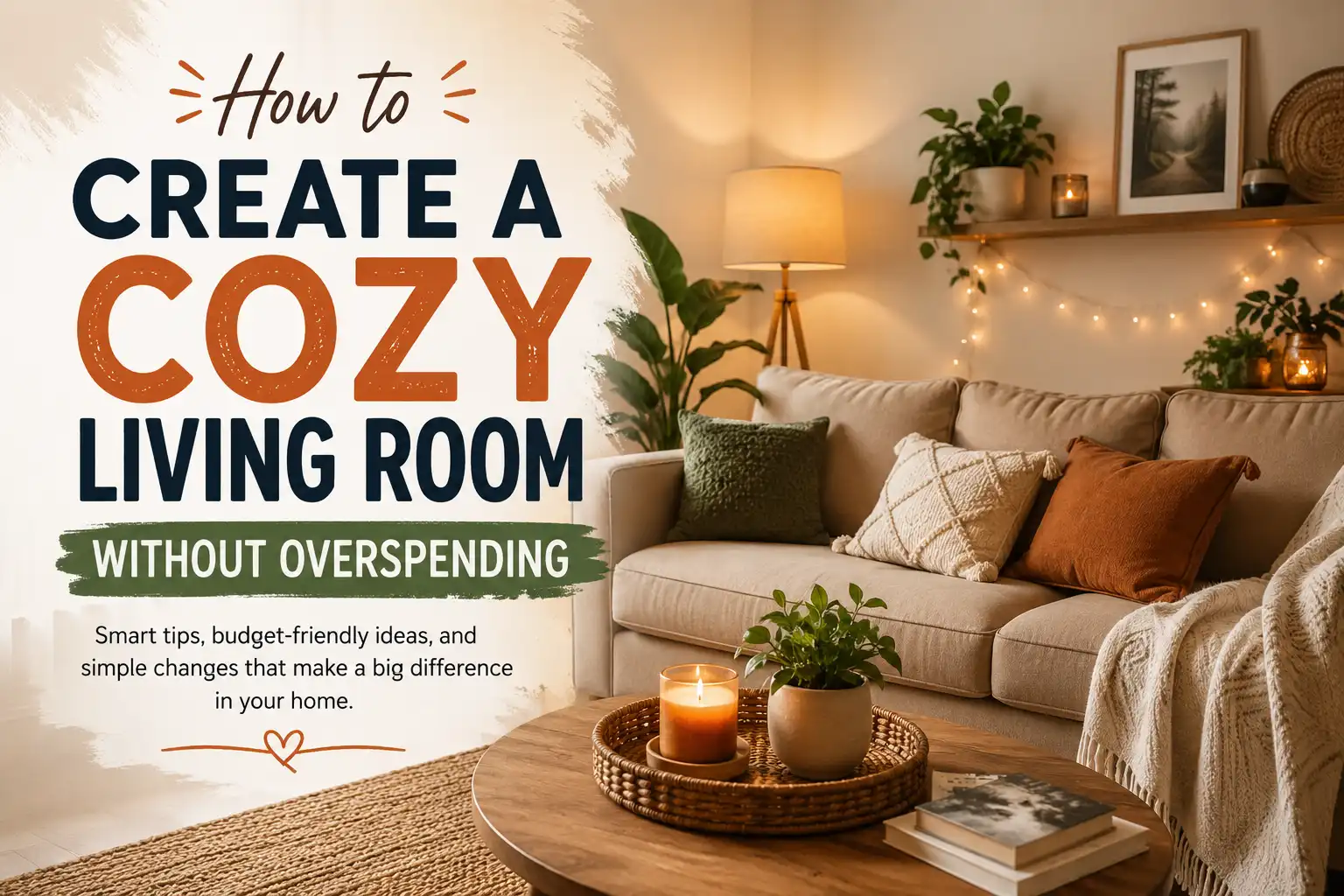
How to Create a Cozy Living Room Without Overspending
A living room should feel like a warm hug after a long day, not a showroom you’re afraid to relax in. The good news is that coziness has very little to do with how much money you spend. It has everything to do with layering textures, choosing the right lighting, and arranging your space so it invites people to sit down and stay a while.
Many homeowners assume that a cozy living room requires a full renovation, designer furniture, or an expensive decor haul. In reality, some of the warmest, most inviting living rooms are built from small, intentional changes: a soft throw blanket draped over a chair, a warm-toned lamp in the corner, or a rug that grounds the whole room.
This guide walks through practical, affordable strategies for creating a cozy living room without overspending, covering lighting, textiles, layout, color, and the small details that make a space feel like home. Whether you’re working with a tight budget, a rental, or just want to refresh your current setup, these tips are designed to be realistic, doable, and effective.
Start With Lighting
Lighting is one of the fastest and most affordable ways to transform the feel of a room. Harsh overhead lighting tends to make spaces feel cold and clinical, while layered, warm lighting creates an instant sense of comfort.
Swap Cool Bulbs for Warm Ones
If your living room currently uses bright white or cool-toned LED bulbs, switching to warm white bulbs, typically in the 2700K to 3000K range, can dramatically change the room’s atmosphere. This is one of the cheapest upgrades available, often costing just a few dollars per bulb.
Add Layered Light Sources
Instead of relying solely on an overhead fixture, incorporate multiple light sources at different heights:
- A floor lamp in a reading corner
- A table lamp on a side table or console
- String lights along a shelf or window frame
- Candles, either real or flameless, for ambient flicker
Industry professionals often suggest layering lighting on at least three levels, ambient, task, and accent, to create depth and warmth in a room, even without natural daylight.
Use Dimmers Where Possible
Plug-in dimmer switches are inexpensive and let you adjust lighting intensity based on the time of day or mood, instantly making a space feel more adaptable and cozy in the evenings.
Layer Textiles for Warmth and Texture
Textiles are arguably the single most impactful, and most affordable, way to add coziness to a living room. Soft, layered materials make a space feel touchable, lived-in, and warm.
Throw Blankets and Pillows
A few well-chosen throw pillows and a soft blanket can completely change the feel of a sofa. Look for:
- Chunky knit or faux fur throws
- Pillows in varied textures, such as velvet, linen, or boucle
- Mixed sizes and shapes rather than matching sets
Thrift stores, clearance sections, and end-of-season sales are excellent sources for textiles at a fraction of retail price.
Add a Rug
A rug instantly grounds a living room and adds softness underfoot. Even a smaller, budget-friendly rug placed under the coffee table can visually anchor the seating area and make the room feel more intentional and complete.
Curtains Matter More Than You Think
Heavier curtains, even inexpensive ones, can soften hard window edges, reduce echo, and add a sense of enclosure that makes a room feel cozier. Hanging curtains closer to the ceiling and wider than the window frame also creates the illusion of larger, more luxurious windows.
Rethink Your Layout
Sometimes the most cozy-making change costs nothing at all: rearranging what you already have.
Create Conversation Zones
Rather than lining all furniture against the walls, angle seating toward each other to encourage conversation and connection. A loveseat and an armchair angled toward a sofa, with a small table in between, creates an intimate seating area even in a larger room.
Define the Space With a Rug or Furniture Placement
If your living room is part of an open-concept layout, use a rug or furniture arrangement to visually define the seating area. This helps the space feel more like its own cozy room, even without walls.
Bring Seating Closer Together
Research indicates that physical proximity in seating arrangements can influence how comfortable and social a space feels. Pulling furniture slightly closer together, within a comfortable conversational distance, often makes a room feel warmer and more welcoming than spreading pieces far apart.
Choose a Warm, Cohesive Color Palette
Color has a powerful psychological effect on how a room feels. While you don’t need to repaint your entire living room, small color adjustments can shift the mood significantly.
Lean Into Warm Neutrals
Warm beige, taupe, terracotta, and soft brown tones tend to feel more inviting than stark white or cool gray. If repainting isn’t in the budget, consider:
- Swapping decor accents, such as pillows, throws, and art, for warmer tones
- Adding a single accent wall in a warm shade using leftover or sample-size paint
- Introducing warm wood tones through small furniture pieces or accessories
Use the 60-30-10 Rule
A simple way to create a cohesive, cozy color scheme is the 60-30-10 rule:
| Percentage | Role | Example |
|---|---|---|
| 60% | Dominant color | Walls, large furniture |
| 30% | Secondary color | Curtains, rugs, accent chairs |
| 10% | Accent color | Pillows, art, small decor |
This structure helps a room feel intentional and pulled-together without requiring expensive coordinated sets.
Incorporate Natural and Organic Elements
Bringing in natural materials and greenery is a budget-friendly way to make a space feel more grounded, calm, and cozy.
Add Plants
Houseplants, even small and inexpensive ones, bring life and softness into a room. If you’re concerned about maintenance, low-light, low-water varieties like pothos or snake plants are good entry points. Faux plants have also become increasingly realistic and can serve as a no-maintenance alternative.
Use Natural Materials
Wood, rattan, jute, and woven baskets add warmth and texture without high costs. A simple woven basket can double as storage while adding visual interest, and a small wooden tray on a coffee table can instantly make the space feel more curated.
Personalize With Meaningful Decor
Coziness often comes from a sense of personality and history in a space, not from matching everything perfectly.
Display Items With Meaning
Family photos, travel souvenirs, books you love, or handmade items add warmth because they tell a story. Arrange a small gallery wall using frames you already own, or create a styled bookshelf mixing books, small plants, and personal objects.
Mix Old and New
Don’t feel pressured to replace everything at once. Blending a few new accent pieces with items you already own often creates a more layered, collected-over-time look, which tends to feel cozier than an entirely new, matching set.
Common Mistakes to Avoid
When trying to create a cozy living room on a budget, a few common missteps can work against you:
- Overdoing cool lighting: Bright, cool-toned overhead lights can make even a beautifully decorated room feel sterile.
- Skipping textiles: A room without soft textures, such as rugs, pillows, and throws, often feels unfinished, no matter how nice the furniture is.
- Pushing all furniture against the walls: This can make a room feel more like a waiting area than a cozy gathering space.
- Cluttering instead of curating: Adding too many small items at once can create visual chaos rather than warmth. Focus on a few intentional pieces.
- Ignoring scale: A rug that’s too small or art that’s too tiny for the wall can make a space feel disjointed rather than cohesive.
Budget-Friendly Cozy Upgrades at a Glance
| Upgrade | Estimated Cost Range | Impact |
|---|---|---|
| Warm-toned light bulbs | Low | High |
| Throw blanket and pillows | Low to Medium | High |
| Area rug | Medium | High |
| Rearranging furniture | Free | Medium to High |
| Houseplants, real or faux | Low | Medium |
| Curtains | Medium | Medium to High |
| Accent wall with sample paint | Low | Medium |
| Woven baskets and trays | Low | Medium |
| Gallery wall with existing photos | Free to Low | Medium |
| Floor or table lamp | Low to Medium | High |
Frequently Asked Questions
What is the cheapest way to make a living room feel cozy?
Switching to warm-toned light bulbs and adding a soft throw blanket and pillows are among the cheapest and most effective ways to instantly warm up a living room.
Do I need to repaint my living room to make it cozy?
No. While a warm wall color can help, you can achieve a cozy feel through lighting, textiles, and decor without repainting at all.
How can I make a small living room feel cozy instead of cramped?
Use a rug to define the space, choose furniture that’s appropriately scaled, and angle seating toward a focal point to create an intimate, conversation-friendly layout.
What colors make a living room feel the coziest?
Warm neutrals like beige, taupe, terracotta, and soft brown tones tend to create a cozy, inviting atmosphere compared to stark whites or cool grays.
How do I add coziness to a living room with a rental-friendly approach?
Focus on removable, non-permanent changes such as rugs, curtains on tension rods, plug-in lamps, throw pillows, and wall art with adhesive hooks.
Is natural light important for a cozy living room?
Natural light can enhance a cozy feel during the day, but layered artificial lighting, especially warm-toned bulbs, is essential for coziness in the evening.
How many pillows are too many for a cozy sofa?
There’s no strict rule, but a common guideline is three to five pillows of varying sizes and textures for a standard sofa, leaving enough room to actually sit comfortably.
Can plants really make a room feel cozier?
Yes. Plants add color, texture, and a sense of life to a space, which many people associate with warmth and comfort, even in small quantities.
Conclusion
Creating a cozy living room doesn’t require a big budget, it requires intentional choices. Warm lighting, layered textiles, a thoughtful layout, and a few personal touches can transform a space far more effectively than expensive furniture or a full remodel.
Start small: swap a lightbulb, add a throw blanket, rearrange your seating, or bring in a plant. Each of these changes builds toward a living room that feels warm, welcoming, and unmistakably yours, without overspending to get there.
Related Articles You May Enjoy
- 10 Budget-Friendly Ways to Refresh Your Bedroom
- How to Choose the Right Area Rug for Any Room
- Small Living Room Layout Ideas That Actually Work
- Warm vs Cool Lighting: Which Is Right for Your Home?
- How to Style a Bookshelf Like a Designer
- Best Low-Maintenance Houseplants for Beginners
- DIY Gallery Wall Ideas on a Budget
- How to Choose Curtains That Make a Room Look Bigger
- The 60-30-10 Color Rule Explained for Home Decor
- How to Create a Reading Nook in a Small Space
- How to Arrange Kids’ Bedroom Furniture for Play and Sleep
 Designing a kid’s bedroom that handles both active play and restful sleep is one of the trickiest space… Read more: How to Arrange Kids’ Bedroom Furniture for Play and Sleep
- How to Layout a Pantry for Maximum Storage and Visibility
 Your pantry might be one of the hardest-working rooms in your home, yet it often ends up as… Read more: How to Layout a Pantry for Maximum Storage and Visibility
- Space Planning for Pet Owners: Best Layouts for Four-Legged Friends
 Living with pets is a joy—until you trip over a water bowl in the hallway or find fur… Read more: Space Planning for Pet Owners: Best Layouts for Four-Legged Friends
- How to Layout a Walk-In Pantry and Coffee Bar Combo
 Imagine walking into your pantry, grabbing a bag of freshly roasted beans, brewing your morning espresso, and grabbing… Read more: How to Layout a Walk-In Pantry and Coffee Bar Combo
- Space Planning Hacks for Maximizing Vertical Wall Space
 When square footage is tight, the only way to go is up. That’s where space planning hacks for… Read more: Space Planning Hacks for Maximizing Vertical Wall Space
- How to Layout a Dream Makeup Vanity and Dressing Area
 Creating a dream makeup vanity and dressing area is about blending function with personal style. Whether you are… Read more: How to Layout a Dream Makeup Vanity and Dressing Area
- How to Arrange a Conservatory or Sunroom Layout
 Your conservatory or sunroom has the potential to be the most beloved spot in your home. But without… Read more: How to Arrange a Conservatory or Sunroom Layout
- Space Planning for Shared Kids’ Bedrooms That Reduce Bickering
 Sharing a bedroom can be a wonderful lesson in compromise and bonding—or it can be a daily battle… Read more: Space Planning for Shared Kids’ Bedrooms That Reduce Bickering
- The Secret to Creating Functional Zones in Studio Spaces
 Living in a studio apartment can feel like a constant compromise between style and function. You love the… Read more: The Secret to Creating Functional Zones in Studio Spaces
- How to Arrange Furniture in Rooms with Too Many Doors and Windows
 If your living room feels more like a busy hallway than a cozy retreat, you’re not alone. Rooms… Read more: How to Arrange Furniture in Rooms with Too Many Doors and Windows
- How to Create a Relaxing Oasis in Your Master Bedroom
 Your master bedroom should be more than just a place to sleep—it should be a personal sanctuary where… Read more: How to Create a Relaxing Oasis in Your Master Bedroom
- Sustainable Home Design: Eco-Friendly Materials for Modern Interiors
 Sustainable home design is no longer a niche trend—it’s a responsible lifestyle choice. As we become more aware… Read more: Sustainable Home Design: Eco-Friendly Materials for Modern Interiors