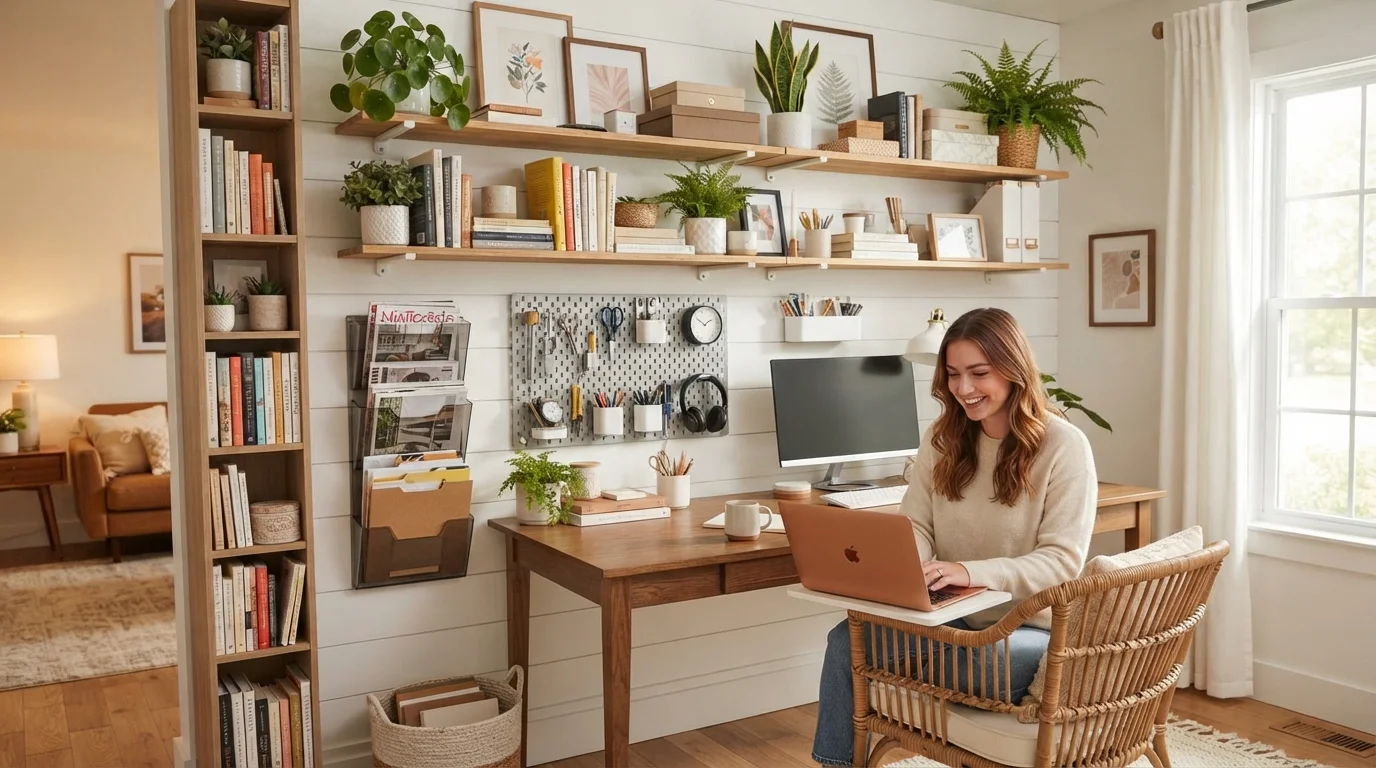
When square footage is tight, the only way to go is up. That’s where space planning hacks for maximizing vertical wall space come into play. Instead of letting your walls sit bare, you can turn them into powerful storage and display zones.
Whether you live in a tiny apartment or a cozy house, using vertical real estate can instantly make your rooms feel larger and more organized. I’ve spent years helping homeowners rethink their layouts, and trust me—walls are the most underutilized asset in any home.
In this guide, I’ll walk you through proven vertical space planning strategies that blend function with style. From floating shelves to hanging gardens, each hack is designed to maximize every inch without cluttering your floor plan.
Why Vertical Wall Space Matters in Small Homes
Floor space is precious, especially in urban settings. By shifting your storage upward, you free up valuable square footage for movement and furniture. This is one of the core principles of smart home design.
Vertical wall space also draws the eye upward, creating an illusion of height. Rooms feel larger and more airy when walls are used intentionally. Plus, it keeps everyday essentials within easy reach without crowding your counters or tables.
For anyone tackling a small living room or compact bedroom, this approach is a game-changer. You don’t need a renovation—just a fresh perspective on your walls.
1. Install Floor-to-Ceiling Shelving Units
Nothing beats a tall, built-in-style shelving unit for sheer storage volume. Look for units that extend all the way to the ceiling, or install modular systems you can customize over time.
Use the lower shelves for heavier items like books or baskets. Reserve the upper shelves for lighter décor, such as plants or framed photos. This distribution keeps the visual weight balanced and safe.
If you’re handy, floating shelves are another great option. They create a clean, modern look and let you stagger heights for visual interest.
2. Turn Empty Walls into a Vertical Garden
Indoor plants improve air quality and mood. But instead of taking up floor space with pots, mount them on the wall. Vertical gardens are one of the most popular vertical wall storage ideas for plant lovers.
You can use pocket planters, hanging felt systems, or even repurposed pallets. Choose low-maintenance plants like pothos, ferns, or succulents for best results. For more inspiration on blending nature with your home, check out our garden design ideas section.
Mount the garden near a window for adequate light, and consider adding a drip tray underneath to catch excess water. It’s a living wall that breathes life into any room.
3. Use Magnetic Strips and Pegboards for Tools
Kitchens, garages, and craft rooms are perfect candidates for magnetic strips. Mount one on the wall to hold knives, scissors, or metal tools. It keeps sharp items safe and visible without taking up drawer space.
Pegboards are another champion of wall organization tips. You can arrange hooks, shelves, and bins exactly where you need them. Paint the pegboard to match your wall for a seamless look.
This hack works especially well in small home offices or laundry rooms. Everything stays accessible, and you can rearrange the layout in minutes.
4. Go Up with Your Kitchen Storage
Kitchen cabinets often leave awkward gaps between the counter and upper cabinets. Install a hanging pot rack or a tiered spice shelf on the backsplash. This uses vertical wall space that would otherwise go to waste.
Open shelving above the sink or stove can hold everyday dishes and jars. Just keep the items you use most frequently at eye level. This is a classic small space living solution that professional organizers swear by.
For a cohesive look, choose shelves in the same wood tone or metal finish as your cabinet hardware. It adds character while staying functional.
5. Create a Command Station in the Entryway
Your entryway wall is prime real estate. Install a slim wall-mounted desk, a set of cubbies, and a few hooks for bags and coats. This creates a drop zone for mail, keys, and daily gear.
Use a small corkboard or magnetic board above the desk for reminders and schedules. This keeps the clutter off the floor and makes mornings smoother.
Even a narrow hallway can hold a shallow shelf for keys and a mirror to check your look before heading out. Every inch counts when you’re working with limited home space optimization.
6. Maximize Vertical Space in the Bathroom
Bathrooms are notorious for having little floor area. But walls around the toilet, above the door, or beside the mirror are perfect for add-on storage. Install a tall, narrow cabinet or open shelves for toiletries and towels.
Over-the-toilet shelving units are a classic hack. They provide space for extra rolls, baskets, and decorative items without taking any floor footprint.
You can also mount a magnetic strip inside the medicine cabinet to hold bobby pins and tweezers. It’s a small detail that makes a big difference in keeping counters clear.
Vertical Wall Storage Ideas Comparison Table
| Solution | Best For | Difficulty Level | Estimated Cost |
|---|---|---|---|
| Floor-to-ceiling shelves | Living rooms, home offices | Moderate | $$ |
| Vertical garden planters | Living rooms, balconies | Easy to Moderate | $ to $$ |
| Magnetic strips & pegboards | Kitchens, garages, craft rooms | Easy | $ |
| Hanging pot racks | Kitchens | Moderate | $$ |
| Over-toilet shelving | Bathrooms | Easy | $ |
7. Don’t Forget About Your Closet Walls
Inside closets, vertical wall space is often ignored. Install an extra rod for short-hanging items like shirts and skirts. Add hooks on the inner walls for belts, scarves, or bags.
Shoe racks that mount to the door or wall free up floor space for bins or a small dresser. This is one of those vertical wall storage ideas that instantly doubles your closet’s capacity.
Consider using a cascading hanger system for pants or ties. It keeps everything wrinkle-free and easy to grab.
8. Use Wall-Mounted Lighting to Free Up Surfaces
Lighting is often overlooked in wall space planning. Instead of using floor lamps or table lamps, install sconces or wall-mounted reading lights. This clears your nightstands and side tables for better use.
In a home office, a swing-arm lamp mounted above your desk gives you direct light without taking desk space. It’s a small change that makes a big impact on your workspace layout.
For more ideas on improving your home’s flow, take a look at the latest articles on our blog about rearranging rooms with minimal effort.
9. Get Creative with Corner Walls
Corners are often the most wasted vertical space in any room. Install corner shelves or a tiered corner unit to turn dead zones into display areas. They’re perfect for plants, books, or small art pieces.
Corner ladders are another stylish option. Lean one against the wall and drape blankets or hang lightweight baskets from the rungs. It’s a casual, boho look that adds both function and charm.
If you want to explore more about using unusual spaces, check out our outdoor living ideas for small patios and balconies. The same vertical thinking applies outside.
10. Combine Vertical Storage with Greenery
For a truly integrated approach, combine shelving with plants. Use wall-mounted planters alongside bookshelves to create a living library. This works beautifully in reading nooks or home offices.
You can also install a vertical herb garden in the kitchen. Fresh basil, mint, and rosemary are always within arm’s reach for cooking. It’s both beautiful and practical.
Experts at the HomeGarden resource hub recommend choosing plant varieties that thrive in indirect light for indoor walls. Their guides can help you pick the right species for your specific wall orientation.
Frequently Asked Questions
How do I start using vertical wall space in a rental?
Use temporary solutions like removable adhesive hooks, tension rods, and freestanding shelves. Avoid drilling if your lease prohibits it. Stick-on command strips work well for lightweight items.
What is the best weight limit for floating shelves?
It depends on the wall material and anchor type. Drywall with toggle bolts can hold up to 50 pounds per shelf. Always check the manufacturer’s specs and install into studs for heavy loads.
Can I create a vertical garden on a shaded wall?
Yes. Choose low-light plants like ferns, snake plants, or ZZ plants. They thrive without direct sun and still purify the air.
How do I keep vertical storage from looking cluttered?
Follow the rule of thirds: fill one third with functional items, one third with decorative pieces, and leave one third empty. Use matching baskets or containers for a unified look.
Is vertical storage safe for homes with kids or pets?
Anchor all tall shelves and units to the wall to prevent tipping. Keep heavier items on lower shelves and avoid placing breakables within easy reach of little ones.
What tools do I need to install wall-mounted storage?
A drill, level, stud finder, measuring tape, and appropriate anchors or screws. For drywall, use hollow-wall anchors designed for your item’s weight.
Can I use vertical wall space in a tiny bathroom?
Absolutely. Mount a narrow cabinet above the toilet, add a magnetic strip for tweezers, and install a tall shelving unit beside the sink. Every inch helps.
How do I choose the right wall storage for my room style?
Match materials to your existing décor: wood for rustic, metal for industrial, and simple white for minimalist. Browse home design blogs for visual inspiration.
Conclusion
Maximizing vertical wall space is one of the smartest space planning hacks for maximizing vertical wall space you can implement today. It doesn’t require a big budget or major construction—just a shift in perspective.
Start with one wall in a busy room and apply a few of the ideas we covered. You’ll free up floor area, reduce clutter, and make your home feel more open and intentional.
Remember, every wall is an opportunity. Whether you choose floating shelves, a vertical garden, or a pegboard, the key is to plan with purpose. For even more tips, explore our space planning category and keep transforming your home one wall at a time.