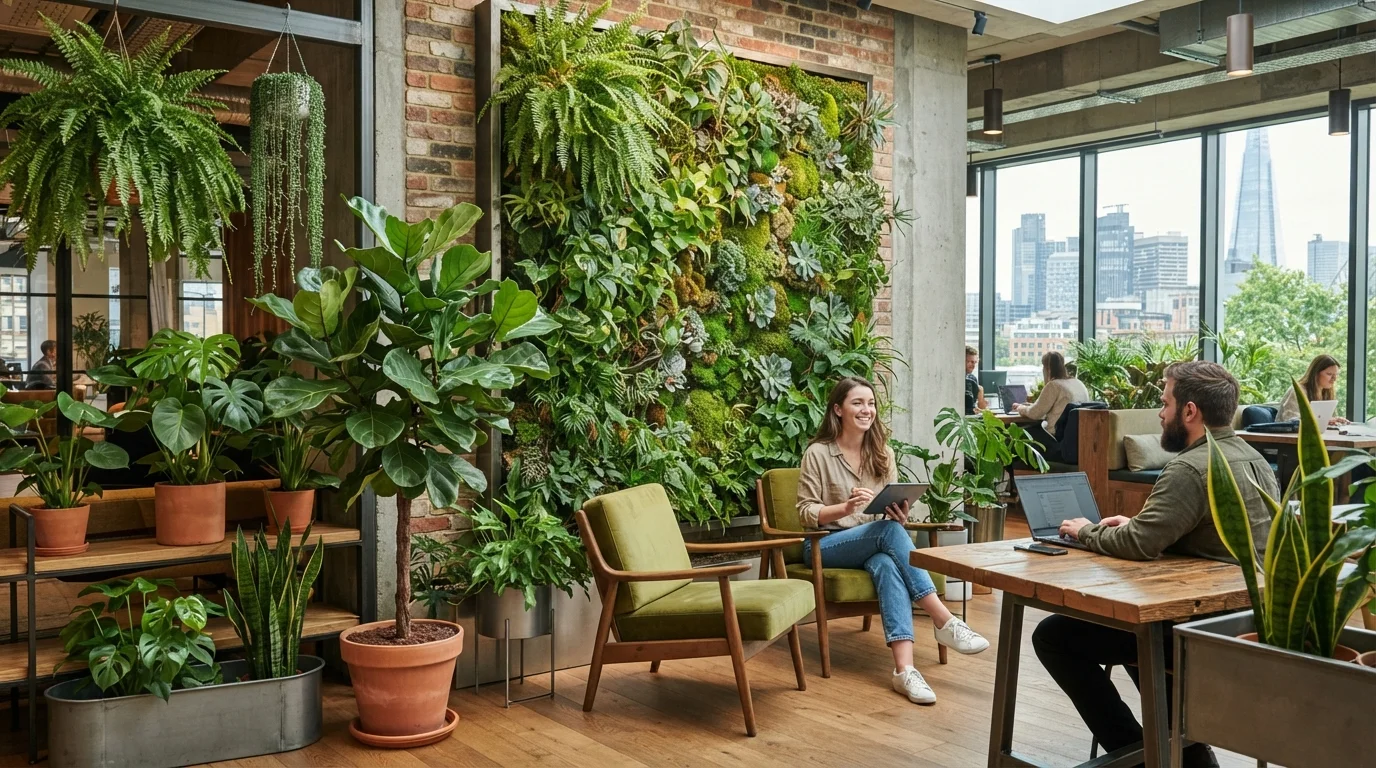
City dwellers often feel disconnected from nature, surrounded by concrete and glass. But a powerful shift is underway. Homeowners and renters alike are embracing urban landscaping trends that blur the line between indoors and out. You don’t need a backyard to enjoy the calming effects of greenery. With the right approach, your apartment, condo, or townhouse can become a lush sanctuary.
This isn’t just about placing a potted plant in the corner. Modern urban landscaping is about intentional design, vertical solutions, and creating micro-ecosystems inside your living space. Whether you have a sun-drenched loft or a dim studio, there’s a way to bring nature right indoors. Let’s explore the most exciting trends that are reshaping home interiors today.
Why Biophilic Design Is More Than a Buzzword
Biophilic design taps into our innate human need to connect with nature. It’s not just about aesthetics; it improves air quality, reduces stress, and boosts creativity. In urban settings, this approach has become essential. By incorporating natural materials, living walls, and abundant greenery, you can transform a sterile apartment into a regenerative space.
Start by assessing your natural light. South-facing windows are gold mines for sun-loving plants. Then, layer in textures like wood, stone, and rattan. The goal is to mimic the randomness of the outdoors. For a deep dive into how design layouts support this lifestyle, explore our resources on space planning for biophilic homes.
Vertical Plant Walls: The Ultimate Space-Saver
Floor space is precious in any city home. That’s why vertical plant walls (or living walls) have exploded in popularity. These installations allow you to cultivate dozens of plants without sacrificing a single square foot of floor area. You can buy modular systems or DIY a simple frame with pocket planters.
Choose trailing plants like pothos and ferns for a cascading effect, or use succulents for a low-maintenance, sculptural look. A living wall can serve as a living piece of art behind your sofa or in the kitchen. If you’re planning a full renovation, check out home design ideas that integrate greenery directly into cabinetry or shelving.
Indoor Garden Design for Every Room
Gone are the days when plants were relegated to the living room. Indoor garden design now extends to bathrooms, bedrooms, and even hallways. Ferns and orchids thrive in steamy bathrooms. Snake plants and lavender are excellent choices for bedrooms, as they promote restful sleep by purifying the air. In hallways, low-light champions like ZZ plants or cast iron plants create a welcoming entry.
Don’t forget the kitchen. A windowsill herb garden isn’t just decorative; it’s practical. Fresh basil, mint, and rosemary are within arm’s reach. For larger kitchens, consider a small citrus tree or a monstera. This approach turns cooking into a sensory experience. For more tailored planting strategies, visit our garden design section.
Small Space Gardening: Think Vertical and Modular
Living in a small apartment doesn’t mean you have to give up gardening. The key is choosing the right systems. Modular shelving units that double as plant stands are perfect. Wall-mounted magnetic pots, hanging glass terrariums, and stackable planters maximize every inch. Even a narrow ledge can host a row of succulents.
Here are a few highly effective small space gardening solutions:
- Tiered plant stands: Create levels for different light requirements.
- Window boxes (interior): Perfect for herbs or trailing vines.
- Hanging macramé holders: Utilize ceiling space without drilling.
- Self-watering pots: Reduce maintenance for busy urbanites.
Remember, less is more. A curated collection of five healthy plants looks far better than twenty struggling ones. Focus on quality over quantity.
Using Natural Materials to Enhance the Connection
Plants aren’t the only way to bring nature inside. The materials you choose for furniture and decor matter just as much. Look for organic shapes, raw wood, bamboo, jute, and clay. A wooden coffee table with live edges or a wool rug in a natural tone anchors the greenery. Even your planters can make a statement—terracotta and ceramic in earthy hues are timeless choices.
This holistic approach is central to modern biophilic home decor. The link between nature and well-being is so strong that experts have studied its effects extensively. As noted in recent home and garden research, bringing natural elements indoors can significantly lower cortisol levels and improve mood. Use this knowledge to guide your selections.
Table: Best Plants for Different Indoor Conditions
Choosing the right plant is critical for success. Here’s a simple guide to match plants with your home’s environment:
| Light Condition | Easy-Care Plant | Key Benefit |
|---|---|---|
| Low Light | Snake Plant (Sansevieria) | Purifies air, tolerates neglect |
| Moderate Indirect Light | Pothos (Epipremnum aureum) | Fast-growing, easy to propagate |
| Bright Direct Light | Aloe Vera | Healing gel, very drought-tolerant |
| High Humidity (Bathroom) | Boston Fern | Thrives in steamy conditions |
Place your plants near light sources matching these conditions, and rotate them occasionally for even growth. This simple practice prevents lopsided stems and keeps your indoor garden thriving.
Extending the Trend to Your Balcony or Patio
If you have even a small balcony, you can extend your indoor garden outdoors. This creates a seamless transition. Use planters on railing hooks and climb vines up a trellis. Balcony container gardening is a perfect way to grow vegetables or flowers in a limited footprint. Add string lights and a small bistro set to create your own urban oasis.
For guidance on designing this outdoor extension, explore outdoor living ideas that complement your indoor aesthetic. Consistency in colors and materials will make your entire home feel larger and more cohesive.
Frequently Asked Questions (FAQ)
1. Can I create an indoor garden without natural light?
Yes, but you’ll need full-spectrum grow lights. Many compact, energy-efficient LED options exist. Place them 6–12 inches above your plants and run them for 10–12 hours a day.
2. How do I prevent pests in my indoor garden?
Inspect new plants before bringing them home. Quarantine them for a week. Use neem oil spray as a preventive measure, and avoid overwatering, which attracts fungus gnats.
3. What are the best low-maintenance plants for beginners?
Snake plants, ZZ plants, pothos, and spider plants are virtually indestructible. They tolerate irregular watering and a range of light conditions.
4. Do vertical plant walls require special irrigation?
For large installations, yes, an integrated drip system is best. For small DIY walls, you can hand-water each pocket carefully. Ensure proper drainage to avoid rot.
5. How can I style plants without cluttering my home?
Use negative space. Place one large statement plant in a corner instead of smaller pots everywhere. Use matching planters for a unified look. Group plants on a single tray or shelf.
6. Is it safe to have indoor plants with pets?
Choose pet-safe species like spider plants, Boston ferns, and calatheas. Avoid lilies, sago palms, and philodendrons if your pet is a nibbler. Always check with the ASPCA database.
7. Can urban landscaping increase home value?
Absolutely. A well-designed indoor garden is considered a premium feature. It enhances visual appeal, improves indoor air quality, and creates a unique selling point for potential buyers.
Conclusion
Urban landscaping trends are reshaping how we live. By bringing nature right indoors, you reclaim a sense of calm and vitality lost in the daily city rush. Start small—a single fern, a succulent on your desk, or a living wall in the kitchen. Each green element is a step toward a healthier, happier home.
Remember, the best garden is the one you enjoy caring for. Experiment, learn, and let your space evolve. For more inspiration and detailed guides, check out our blog on home and garden transformation.