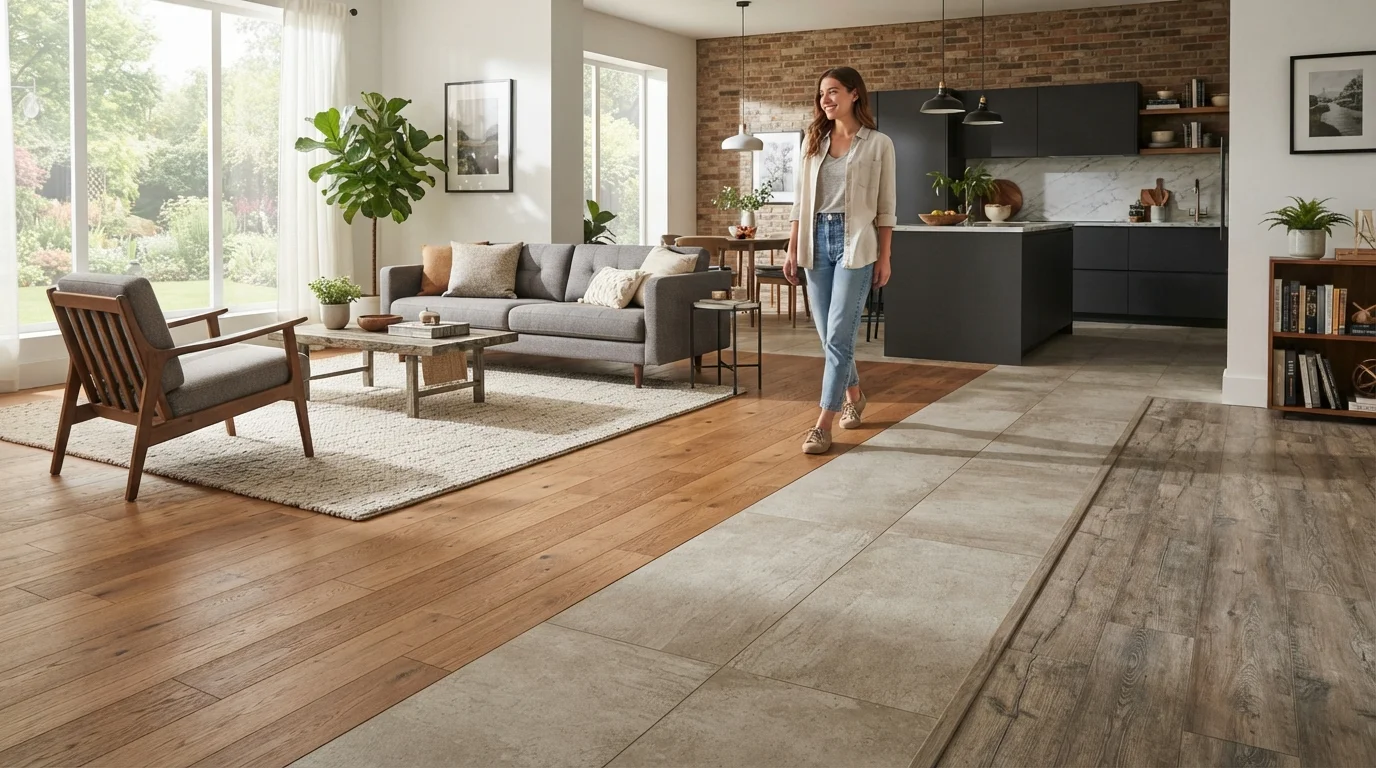
Choosing the right floor can make or break a room. It needs to handle daily wear while looking great for years. Whether you’re remodeling a busy kitchen or updating a cozy bedroom, finding the best flooring options for durability and style is key.
With so many materials available, it’s easy to feel overwhelmed. But don’t worry—I’ve got you covered. In this guide, we’ll break down the top contenders, from classic hardwoods to modern luxury vinyl. Each option offers a unique mix of toughness and visual appeal.
Let’s dive into what works best for your home and lifestyle. Ready to find a floor that lasts?
Why Durability and Style Matter in Home Design Flooring
Your floor takes a beating every single day. Foot traffic, pet claws, dropped utensils, and sunlight all take their toll. That’s why durable flooring materials are non-negotiable for most rooms.
But durability alone isn’t enough. You also want a floor that enhances your decor. The right color, texture, and pattern can elevate a space from ordinary to stunning. That’s where stylish floor designs come into play.
Balancing both factors isn’t always easy. Some super-tough materials look industrial, while pretty options scratch easily. The trick is knowing which products deliver on both fronts. For more inspiration, check out our home design articles for room-by-room tips.
Hardwood Flooring: Timeless Beauty with Modern Toughness
Hardwood remains a top choice for home design flooring. Its natural grain adds warmth and value to any property. With proper care, a quality wood floor can last 100 years or more.
Modern finishes make hardwood far more resistant to scratches and moisture. Engineered wood, in particular, handles humidity better than solid planks. It’s a great pick for living rooms and dining areas.
That said, hardwood isn’t ideal for basements or bathrooms. Water can still cause warping over time. Stick with it for dry, low-moisture spaces to get the best return on investment.
Luxury Vinyl Plank (LVP): The Undisputed Champion of Durability
If you want a floor that laughs at heavy traffic, go with luxury vinyl plank. LVP is waterproof, scratch-resistant, and incredibly forgiving. It mimics wood or stone so well that guests often can’t tell the difference.
This material is perfect for kitchens, mudrooms, and bathrooms. Kids and pets won’t damage it. Plus, installation is simpler than most alternatives.
Styles have come a long way. You can now find LVP in realistic oak, walnut, and even slate looks. It’s one of the best flooring options for durability and style at a mid-range price point.
Porcelain and Ceramic Tile: For Extreme Conditions
Tile is the go-to for spaces where water and heat are constant. Bathrooms, entryways, and sunrooms benefit from its non-porous surface. Porcelain is denser than ceramic, making it even tougher.
Design options are virtually endless. Large-format tiles create a sleek modern look, while patterned tiles add personality. You can also heat tile floors for extra comfort during cold months.
One downside: tile is hard underfoot. Standing for long periods can be tiring. Use area rugs or cushioned mats in kitchens to offset the stiffness.
Thinking about layout? Our space planning guides can help you position tile patterns for maximum visual impact.
Laminate Flooring: Budget-Friendly and Scratch-Resistant
Laminate has improved dramatically in the last decade. Modern laminates feature thick wear layers that resist scratches, dents, and fading. They’re an excellent choice for high-traffic hallways and family rooms.
The best part? Laminate costs significantly less than hardwood or stone. You get a similar look without breaking the bank. Click-lock systems make DIY installation a breeze.
Just remember that laminate doesn’t handle standing water well. Wipe up spills quickly, and avoid using it in bathrooms or laundry rooms.
Engineered Bamboo: Sustainable and Surprising Strong
Bamboo isn’t actually wood—it’s grass. But don’t let that fool you. Strand-woven bamboo is harder than most hardwoods. It’s also eco-friendly, since bamboo grows back in just a few years.
This material offers a unique, contemporary aesthetic. Natural bamboo has a light, airy color that brightens rooms. Carbonized bamboo gives a richer, darker tone.
Bamboo handles humidity better than solid wood, but it’s not fully waterproof. Use it in living areas, bedrooms, or studies. Avoid direct water exposure for best results.
Looking to create a cohesive flow between indoors and out? Explore our outdoor living ideas for seamless transitions.
Comparison Table: Quick Look at Top Flooring Choices
| Material | Durability Rating | Water Resistance | Cost per Sq. Ft. | Best For |
|---|---|---|---|---|
| Hardwood (Engineered) | High | Moderate | $6 – $12 | Living rooms, bedrooms |
| Luxury Vinyl Plank | Very High | Excellent | $3 – $8 | Kitchens, bathrooms, basements |
| Porcelain Tile | Very High | Excellent | $5 – $15 | Bathrooms, entryways |
| Laminate | High | Moderate | $2 – $5 | Hallways, family rooms |
| Bamboo (Strand-Woven) | High | Moderate | $4 – $8 | Eco-friendly homes, studies |
Key Factors to Consider Before Buying
Before you pick a material, think about your specific needs. Here’s a quick checklist to guide you:
- Traffic level: High-traffic areas need harder, more scratch-resistant surfaces.
- Moisture exposure: Kitchens, baths, and basements require waterproof options like vinyl or tile.
- Installation method: Floating floors are great for DIY; glue-down offers more stability.
- Maintenance: Some floors need regular sealing or special cleaners. Others just need a sweep.
- Budget: Factor in both material cost and installation fees. Some materials cost more upfront but last longer.
Don’t forget about underlayment. A good underlayment reduces noise and adds comfort underfoot. It’s a small investment that makes a big difference.
How to Match Flooring to Your Interior Style
Floor color sets the tone for an entire room. Light floors make small spaces feel bigger and brighter. Dark floors add drama and warmth.
Consider your existing furniture and wall colors. Neutral floors (like warm gray or beige) are safe and versatile. Bold patterned tiles work well as accent features.
For a cohesive look, carry the same flooring through connected rooms. This creates visual flow and makes your home feel larger. For more design inspiration, browse our blog for trend updates.
FAQ: Flooring Durability and Style Questions
What is the most durable flooring for pets?
Luxury vinyl plank is your best bet. It resists scratches, stains, and accidents. Tile is also great but harder on pet joints.
Can I get stylish floors without spending a fortune?
Absolutely. Laminate and vinyl offer high-end looks at budget prices. Look for water-resistant laminate with a thick wear layer.
Which flooring adds the most resale value?
Hardwood flooring consistently offers the best return on investment. If you can’t afford solid wood, engineered hardwood is a strong alternative.
Is waterproof flooring really necessary?
Yes, in moisture-prone areas. Waterproof vinyl or tile prevents warping, mold, and long-term damage. It’s worth the extra investment.
How long does luxury vinyl plank last?
With proper care, LVP can last 15–25 years. Higher-quality products with thicker wear layers last the longest.
Can I install new flooring over old tile?
In many cases, yes. Vinyl plank and laminate can go over tile if the surface is level. This saves time on demolition.
What’s the best flooring for a sunroom?
Porcelain tile or luxury vinyl are great choices. They resist UV damage and temperature swings better than wood.
Do darker floors show more dust?
Yes, dark floors tend to show dust, pet hair, and footprints more than light or medium tones. Consider your cleaning habits before choosing.
Conclusion: Choose a Floor That Works for Your Life
The best flooring options for durability and style depend on your home’s unique demands. For kitchens and baths, luxury vinyl or tile is a no-brainer. For living areas, hardwood or bamboo adds timeless charm.
Remember to factor in your family, your budget, and your design taste. A smart choice today will save you headaches and money down the road. For more ideas, check out resources like professional home improvement guides for expert tips.
Take your time, compare samples in your own lighting, and trust your instincts. A beautiful, durable floor is one of the best investments you can make for your home.