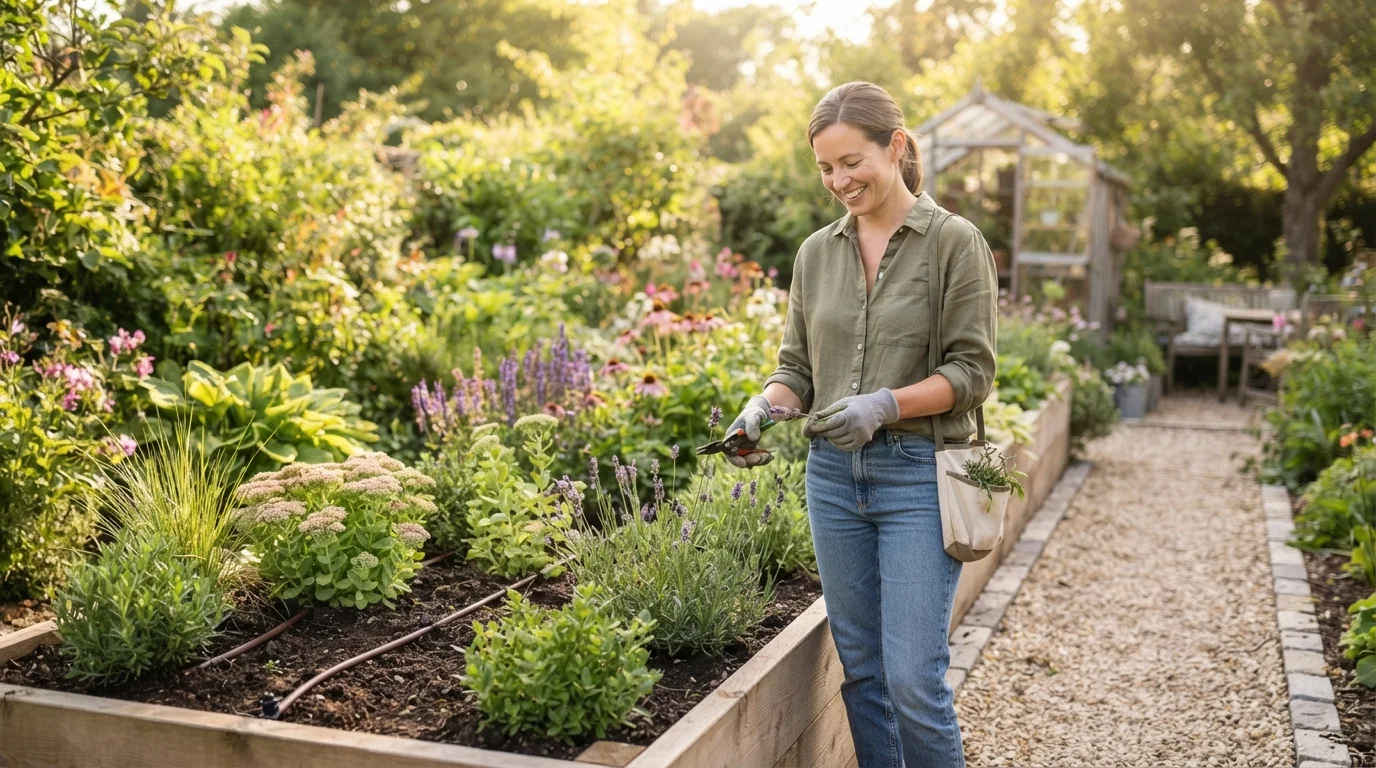
Let’s face it: we all want a gorgeous garden, but nobody wants to spend every weekend weeding, pruning, and watering. The good news? You can have both. The secret to keeping your garden impeccable with minimal effort isn’t magic—it’s smart design and a few strategic choices. Whether you’re a busy professional, a new parent, or just someone who’d rather sip lemonade than pull weeds, this guide will show you how to create a stunning outdoor space that practically takes care of itself.
In this article, we’ll walk through proven techniques for low-maintenance garden design. From choosing the right plants to automating your watering, you’ll learn how to maximize beauty while minimizing work. Let’s dig in.
Why Less Work Doesn’t Mean Less Beauty
Many people assume a low-maintenance garden looks bare or boring. That couldn’t be further from the truth. The key is working with nature, not against it. By selecting plants that thrive in your local climate and soil, you eliminate the need for constant fussing.
Think about it: a native wildflower meadow requires almost no watering or fertilizing once established, yet it’s bursting with color and life. That’s the kind of easy garden maintenance we’re after. When you design intentionally, every element serves a purpose—and keeps looking great without your intervention.
Start by evaluating your space. How much sun does it get? What’s the soil like? Creating a garden design that aligns with these conditions is your first step toward effortless gardening.
Choose the Right Plants for Effortless Growth
Plant selection is the single most important decision you’ll make. Opt for perennials over annuals—they come back year after year. Look for drought-tolerant varieties like lavender, sedum, and ornamental grasses. These plants are the stars of low-maintenance landscaping.
Here’s a quick checklist of what to look for at the nursery:
- Native species – adapted to your region, requiring less water and fertilizer.
- Slow-growing shrubs – less frequent trimming needed.
- Ground covers – like creeping thyme or vinca, which suppress weeds.
- Self-seeding annuals – such as cosmos or calendula, which reappear naturally.
- Evergreens – provide structure and color year-round without leaf cleanup.
Group plants with similar water and light needs together. This is called “hydrozoning,” and it prevents you from overwatering some plants while underwatering others. It’s a simple but powerful tip for minimal effort gardening.
Mulch: The Unsung Hero of Easy Maintenance
If you do one thing today, lay down a thick layer of organic mulch. Mulch suppresses weeds, retains soil moisture, regulates temperature, and slowly adds nutrients as it decomposes. It’s like a Swiss Army knife for your garden.
Spread a 2- to 3-inch layer around your plants, but keep it away from stems and trunks to prevent rot. Shredded bark, wood chips, or straw all work wonderfully. Not only does it cut your weeding time by 80%, but it also gives beds a polished, cohesive look.
For walkways and patios, consider inorganic mulch like pebbles or gravel. They require zero maintenance and add texture to your overall space planning outdoors.
Hardscaping: Let Structures Do the Heavy Lifting
Hardscaping—think patios, pathways, retaining walls, and raised beds—reduces the area that needs planting and weeding. A well-placed stone path not only looks elegant but also eliminates a strip of lawn you’d otherwise have to mow.
Raised beds are a game-changer for vegetable gardens. They warm up faster in spring, drain better, and are much easier to weed and harvest. Plus, you can fill them with high-quality soil from the start, reducing the need for amendments later.
Consider installing a simple drip irrigation system on a timer. It’s one of the best investments for low-maintenance garden design. Your plants get consistent, deep watering at the roots—no hauling hoses, no forgetting to water, and far less evaporation. According to the Home Garden resource center, automated irrigation can reduce water usage by up to 50% while keeping plants healthier.
Outdoor living spaces like a simple patio or deck also serve as “no-work zones” where you can relax instead of maintaining plants.
Embrace a “Let It Be” Philosophy with Lawn Alternatives
Traditional lawns are high-maintenance: weekly mowing, edging, fertilizing, and watering. If you’re serious about keeping your garden impeccable with minimal effort, consider replacing all or part of your lawn with alternatives.
Clover lawns are a fantastic option. They stay green with little water, never need mowing (if you don’t mind a slightly wild look), and naturally fertilize the soil. Other great lawn alternatives include creeping jenny, dwarf mondo grass, or moss for shady areas.
Here’s a simple comparison to help you decide:
| Lawn Type | Mowing Frequency | Water Needs | Weed Resistance | Maintenance Level |
|---|---|---|---|---|
| Traditional grass | Weekly | High | Low | High |
| Clover | Rarely (2-3x/year) | Low | High | Very Low |
| Dwarf mondo grass | Never | Low | Medium | Low |
| Artificial turf | Never | None | Perfect | Very Low (occasional rinse) |
Whichever you choose, less lawn means more time enjoying your garden—and less time maintaining it.
Simple Seasonal Tasks That Save You Hours
Even a low-maintenance garden needs a little love at predictable times. The trick is to do the right thing at the right moment. In early spring, give everything a light prune and a fresh layer of mulch. This sets the tone for the entire growing season.
In summer, deadhead spent blooms every couple of weeks (a quick 10-minute walkthrough) to encourage continuous flowering. In autumn, leave fallen leaves in a designated bed as natural mulch—skip the raking entirely. Winter is the perfect time to plan next year’s outdoor living upgrades.
By focusing on these high-impact, low-effort tasks, you keep your garden impeccable without ever feeling overwhelmed. Pair this with a minimalist aesthetic—fewer plant varieties repeated in drifts—and you get visual impact plus ease of care.
FAQ: Your Questions About Low-Maintenance Gardening Answered
1. What is the single best tip for a low-maintenance garden?
The best tip is to match your plants to your site conditions. A plant that’s happy in your soil and sun will need almost no intervention. A plant that’s stressed will demand constant care.
2. How often should I water a low-maintenance garden?
It depends on your climate and plant choices. Generally, deep watering once or twice a week is better than shallow daily watering. A drip system on a timer makes this effortless.
3. Do I need to use chemicals for weed control?
No. Thick mulch, ground covers, and occasional hand-pulling (right after rain when soil is soft) are all you need. For stubborn spots, boiling water works wonders.
4. Can I have a beautiful garden without spending much money?
Absolutely. Start with seeds or cuttings from friends, use free mulch from local tree services, and focus on perennials that multiply over time. You’ll save even more by eliminating high-maintenance plants that die and need replacement.
5. Will a low-maintenance garden attract fewer pollinators?
On the contrary—native plants and wildflower mixes are magnets for bees, butterflies, and birds. You’ll actually see more wildlife, not less.
6. How much time per week should I expect to spend?
Once established, a well-designed low-maintenance garden requires about 15–30 minutes per week during the growing season, and virtually nothing in winter. That’s the secret: work smart, not hard.
7. What’s the easiest way to start converting my current garden?
Start small. Pick one flower bed or a corner of the lawn. Remove high-maintenance plants, add mulch, and replant with low-effort choices. As you see how easy it is, you’ll want to expand. Check out our blog for a step-by-step plan.
Conclusion: Your Effortless Garden Starts Now
Keeping your garden impeccable with minimal effort isn’t a fantasy—it’s a choice. By focusing on the right plants, using smart hardscaping, mulching generously, and automating irrigation, you can have a lush, vibrant space that practically tends itself. The secret is to design with laziness in mind: each element should earn its keep by being beautiful and low-maintenance.
Start small, make one change this weekend, and watch your garden transform into a sanctuary you actually have time to enjoy. For more inspiration on creating spaces that work for you, explore our articles on home design and thoughtful outdoor layouts. Your dream low-maintenance garden is closer than you think.