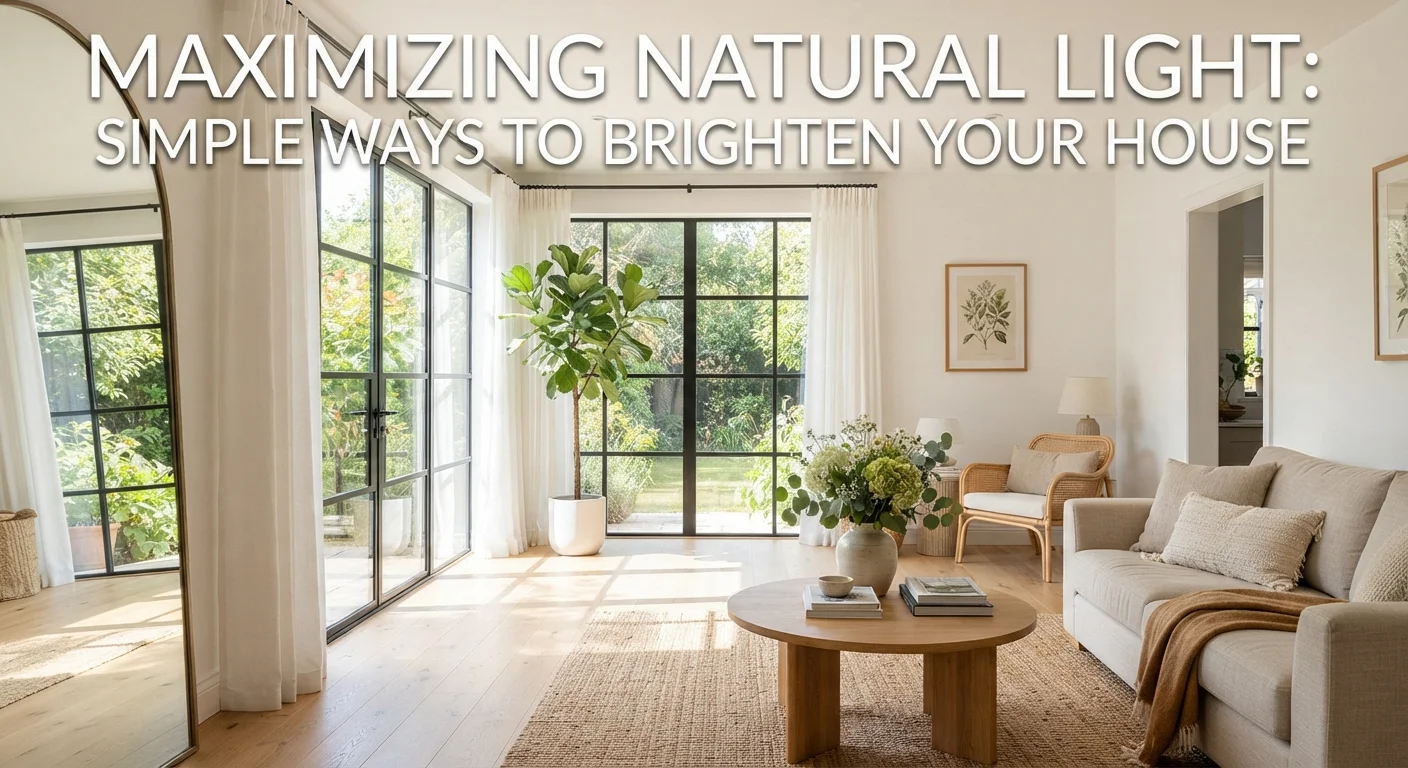
Have you ever walked into a room and felt instantly heavier, almost like the air was thicker? Chances are, that room was starved of natural light. We don’t always notice it, but sunlight has a direct effect on our mood, energy levels, and even how spacious a room feels. Unfortunately, not every house is blessed with floor-to-ceiling windows and a southern exposure. But here’s the good news: you don’t need a full renovation to flood your home with sunshine. By making a few intentional choices, you can start maximizing natural light in ways that feel both effortless and impactful.
Whether you live in a cozy apartment or a suburban home, brightening your house is about working with what you already have. It’s about tricking the eye, bouncing light around, and removing the barriers that dim your spaces. Let’s walk through some concrete, actionable strategies that will make your home feel larger, warmer, and more inviting—all without flipping a single switch.
Why Natural Light Matters More Than You Think
Natural light isn’t just a design trend—it’s a biological necessity. Studies show that exposure to daylight helps regulate your circadian rhythm, improves sleep quality, and boosts productivity. In a home context, rooms bathed in sunlight feel more open and welcoming, which can even increase property value. But beyond the science, there’s a simple comfort factor: a bright room just feels better to live in. When you focus on maximizing natural light, you’re investing in both your well-being and your home’s appeal.
Many homeowners assume that they need to knock down walls or install new windows to achieve this. But the truth is much simpler. Strategic interior tweaks like reflective surfaces, decluttering, and smart furniture placement can dramatically shift how light travels through your home. If you’re looking for more structured guidance on arranging your rooms, check out our space planning tips for an extra layer of polish.
Declutter Your Windowsills and Walls
This is the single most underrated trick in the book. Walk through your home and look at your windows. Are they covered in plants, knick-knacks, or dusty blinds? Every object sitting on a windowsill blocks or diffuses incoming light. The same goes for walls—dark, bulky furniture pressed right against a window can absorb sunlight before it has a chance to spread.
To optimize your setup, keep windowsills completely clear, or at most, place one or two small reflective objects like a glass vase or a metallic sculpture there. Trim any outdoor bushes or trees that might be casting shadows inside. You’ll be shocked at how much extra brightness you get just by clearing these visual barriers. This simple step is the foundation of any home lighting solutions plan.
Choose the Right Window Treatments
Heavy drapes are the enemy of sunlight. If you’re serious about brightening your house, swap out dark, thick curtains for lightweight, sheer fabrics. Linen or cotton curtains in white, cream, or soft pastels let light filter through while still offering privacy. If you need blackout options for the bedroom, install them on a separate track so you can pull them away during the day.
Another great option is top-down/bottom-up shades. These allow you to cover the bottom half of a window for privacy while leaving the top exposed to let in daylight. For an even cleaner look, consider removing curtains altogether and using frosted window film instead—it gives you privacy without sacrificing a single ray of sun.
Mirrors: The Cheap Trick That Works Every Time
You’ve heard this one before because it works. Mirrors are the fastest, most affordable way to amplify natural light. Place a large mirror directly across from a window to reflect the outdoor view back into the room. This creates the illusion of a second window and effectively doubles the light in the space.
But don’t stop at just one. Group smaller mirrors together in a gallery wall arrangement, or lean a tall floor mirror against a dark corner to banish shadows. The key is positioning: always angle mirrors so they catch the most direct sunlight at different times of the day. This is an essential tactic for anyone focused on maximizing natural light without spending a dime on construction.
Lighten Your Color Palette
Color directly influences how light behaves in a room. Dark walls absorb light, while light walls reflect it. If you want a sunnier home without adding windows, paint your walls in soft whites, warm off-whites, pale grays, or subtle pastels. High-gloss or semi-gloss finishes are even better because they bounce light around like a polished surface.
This applies to furniture and flooring too. A dark brown sofa in front of a window will soak up all the incoming light. A beige or light gray sofa, on the other hand, will help distribute it. You don’t have to go all-white, but sticking to a lighter palette in the rooms that matter most (living room, kitchen, home office) makes a measurable difference in bright interior design.
| Room | Best Paint Sheen | Recommended Colors |
|---|---|---|
| Living Room | Eggshell or Satin | Warm white, cream, soft beige |
| Kitchen | Semi-gloss | Ice white, pale gray, light blue |
| Bedroom | Matte or Eggshell | Dusty rose, pale sage, ivory |
| Bathroom | Semi-gloss or Gloss | White, light mint, pearl gray |
Use Reflective Surfaces and Strategic Decor
Beyond mirrors, you can use decor elements to bounce light around the room. Think glass coffee tables, chrome or brass lamp bases, glossy ceramic vases, and metallic picture frames. Even a simple lacquered tray on a dark table can catch a beam of light and scatter it into the room. These small touches accumulate into a much brighter overall effect.
For a more impactful change, consider installing glass doors on cabinets or replacing an opaque door with a frosted glass version. Interior glass walls are also a growing trend for maximizing natural light between rooms, especially in hallways or between a living area and a home office. You can explore more home design ideas to see how other homeowners have applied similar concepts.
If you’re thinking about expanding your bright living concept to outdoor spaces, don’t forget that your garden or patio can also play a role. Lighter paving stones, white furniture, and strategic planting can reflect sunlight back into your home through windows. Take a look at our garden design section for complementary advice on creating a seamless indoor-outdoor flow.
- Swap dark furniture for light wood or upholstered pieces.
- Use glossy tiles or polished concrete floors to reflect light.
- Hang a chandelier or pendant light with reflective crystals or metal.
- Keep windows clean—dirt and grime block up to 30% of light.
Let the Outdoors Flow In
One of the most effective ways to brighten your house is to blur the line between indoors and outdoors. If you have a patio or deck, keep it clutter-free and light-colored. A dark, busy outdoor space makes your windows feel like dull frames. Instead, use light stone, white planters, and sheer outdoor curtains to create a bright view that extends your interior room visually.
Additionally, consider French doors or sliding glass doors if you’re planning a renovation. They allow massive amounts of light to pour in and make the room feel twice as large. For existing setups, keep your outdoor furniture low-profile so it doesn’t block the glass. And always trim overgrown shrubs—they’re often the silent culprits stealing your light. For more ideas on making your outdoor area work for you, check out outdoor living strategies that complement these interior changes.
Frequently Asked Questions
1. Can I increase natural light without renovating?
Absolutely. Decluttering windows, swapping curtain fabrics, adding mirrors, and painting walls lighter colors are all non-renovation ways to boost brightness. You can see a significant difference in just one weekend.
2. What is the best mirror placement for light?
Place a large mirror directly opposite a window, at a slight angle to catch the sun’s path. You can also place mirrors on walls adjacent to windows to create a wrapping effect of light.
3. Do sheer curtains really block a lot of light?
High-quality sheer curtains filter light without blocking it entirely. They soften the harshness of direct sun while still letting the room feel bright. Opt for a light weave in white or cream for best results.
4. What color reflects the most sunlight?
Pure white reflects the most light, but warm off-whites like Swiss Coffee or Alabaster are more livable and still highly reflective. Glossy finishes boost reflectivity further.
5. Are there plants that help with natural light?
Yes, but choose low-light plants like snake plants or pothos if your room isn’t super bright. Avoid placing tall plants directly in front of windows. Instead, use them to frame the window and leave the center clear.
6. Does outdoor landscaping affect indoor light?
Definitely. Overgrown trees, hedges, and even dirty windows can cut light by 30% or more. Trim branches and keep outdoor areas clear and light-colored to maximize what enters your home. For a deeper dive on this, consider our blog for seasonal landscaping tips.
7. Is frosted glass a good option for privacy without losing light?
Yes, frosted glass film or etched glass is excellent. It blocks the view but allows light to pass through. It’s a great solution for bathrooms, front doors, or street-facing windows.
Final Thoughts: Small Changes, Dramatic Results
At the end of the day, maximizing natural light is less about expensive renovations and more about smart decision-making. A few hours of decluttering, a fresh coat of paint, and a strategically placed mirror can completely transform how your home feels. You don’t have to live in a dark cave while waiting for the perfect remodel. Start today with the room that bothers you most, and watch it come alive with warmth.
If you found these tips helpful, you’ll love exploring other ways to elevate your living environment. Head over to our home design section for more inspiration on creating a space that feels as good as it looks. And remember, the sun is free—you just need to let it in.
For additional research on how natural light impacts health and well-being, you can read more from this home and garden resource that explores practical solutions for brighter living spaces.