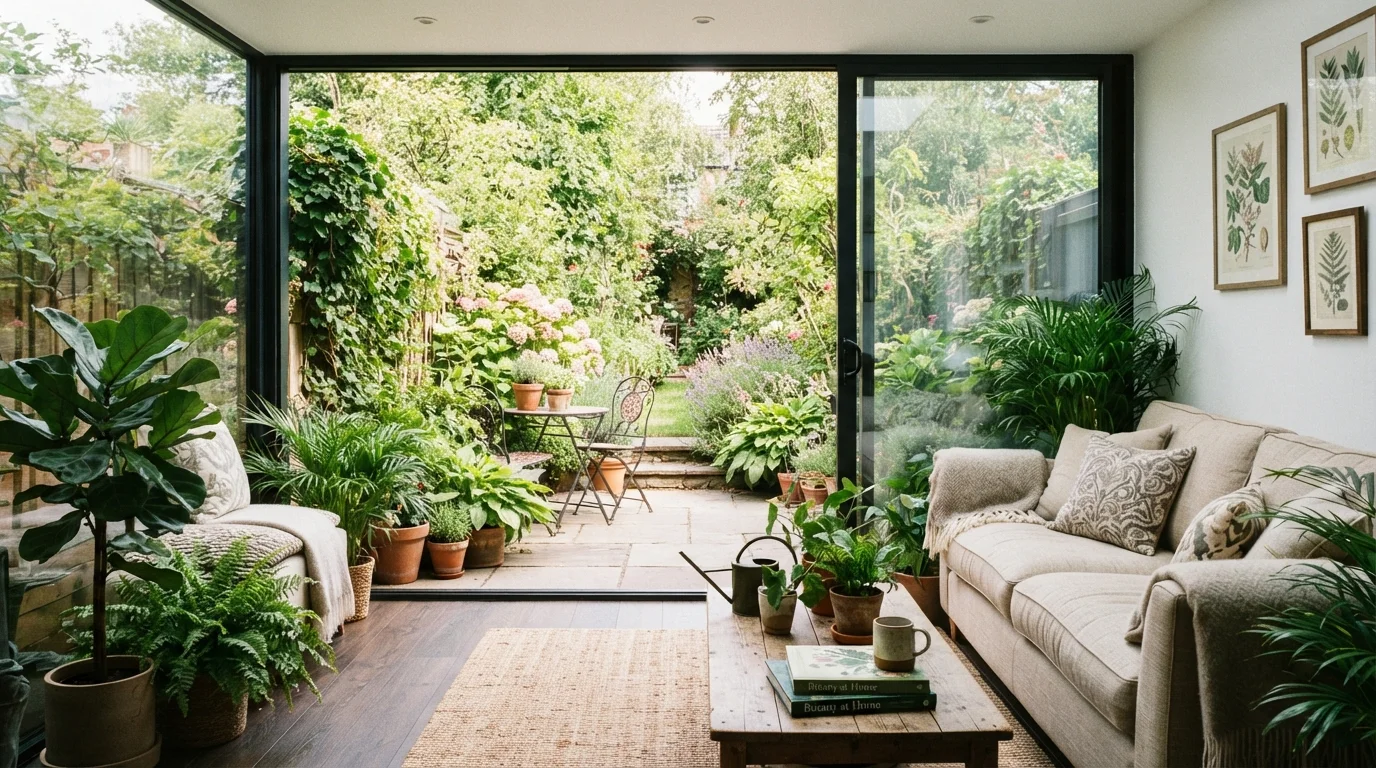
Have you ever walked into a home that felt calm, alive, and effortlessly connected to the outdoors? That seamless connection isn’t accidental. It’s a deliberate design choice that blends the textures, colors, and energy of your garden with the comfort of your indoor spaces. When done right, your home doesn’t just sit next to the garden—it becomes part of it. In this guide, you’ll learn actionable strategies to seamlessly integrate your garden with indoor decor, whether you have a sprawling backyard or a cozy balcony garden. These ideas will help you create a cohesive environment that feels expansive, fresh, and deeply personal.
Why the Indoor-Outdoor Connection Matters in Modern Homes
Today’s homeowners crave spaces that breathe. The line between inside and outside has blurred, and for good reason. Studies in environmental psychology show that visual access to greenery reduces stress and boosts creativity. By planning an indoor-outdoor flow garden design, you aren’t just decorating—you’re improving your daily well-being. Think about how a large window framing a flowering tree or a sliding door opening to a patio instantly changes the mood of a room. That’s the power of intentional integration. For more foundational ideas on how to layout your entire home around this concept, check out our space planning tips that prioritize visual and physical connections to nature.
Start with a Unified Color Palette Between Rooms and Garden
Color is the easiest bridge between your indoors and outdoors. Look out your window and identify the dominant hues in your garden—the deep green of leaves, the blush of roses, the silver of lavender. Now bring those same tones inside. Cushions, throw blankets, rugs, and even wall art in matching shades create a visual echo. For example, if your garden has a lot of purple salvias, use amethyst velvet pillows on your sofa. If your pathway is lined with yellow marigolds, add a mustard-toned vase to the entry table. This trick makes the eye travel smoothly from room to garden without a jarring stop. It’s one of the most effective ways to seamlessly integrate your garden with indoor decor without spending a fortune.
Use Flooring and Materials That Flow Outward
Nothing breaks the visual flow faster than a sudden material change. Consider extending the same flooring material from your living room onto a covered patio or deck. Large-format porcelain tiles that mimic natural stone work beautifully for this. If that’s not an option, match the color and texture closely. For instance, warm oak hardwood indoors can be echoed by a wood-composite deck outside. Another trick is to use indoor-outdoor rugs that share a pattern or weave. These subtle material cues tell your brain that the garden is simply another room in your house. For additional inspiration on blending materials, browse our indoor-outdoor material guides.
Bring the Garden Inside With Living Walls and Potted Arrangements
Integration is a two-way street. While you’re extending the indoors out, you should also invite the garden in. Place large potted specimens near sliding doors to create a sense of continuity. A fiddle-leaf fig next to a floor-to-ceiling window will appear to be part of both worlds. For smaller spaces, install a living wall (vertical garden) on an interior wall that faces a garden window. The overlapping textures of ferns, pothos, and philodendrons blur the boundary entirely. And don’t forget the transition zones—mudrooms and sunrooms are perfect for interior plant styling that mirrors the planting beds just outside.
Match Your Furniture Style to the Garden’s Personality
Your decor should feel like a natural extension of the landscape. If your garden is wild and cottage-style, lean into soft linens, rattan furniture, and vintage finds inside. If your outdoor space is minimal and architectural—think boxwood hedges and gravel—opt for clean lines, glass, and polished concrete indoors. This doesn’t mean your furniture has to match exactly, but the vibe should resonate. For example, a wrought-iron bistro table on the patio pairs naturally with a wrought-iron console table in the dining room. Creating this through-line in style makes the entire property, indoors and out, feel like one cohesive design statement. Explore more curated ideas in our outdoor living collection to find furniture that complements your interior aesthetic.
The Role of Lighting in Connecting Spaces
Lighting sets the mood for both zones. During the day, natural daylight should freely pass from windows to garden. At night, mimic that soft, natural glow. Use warm LED string lights or lanterns on the patio that match the Kelvin temperature of your indoor lamps (2700K–3000K is ideal). Also, position floor lamps near glass doors to cast light outward, merging the two areas visually after sunset. For a more dramatic effect, uplight a large tree outside that you can see from your couch—it becomes a living piece of art that’s visible through the window. This technique enhances your overall biophilic home decor strategy by keeping nature in sight even after dark.
Create Visual Continuity With Repetition and Rhythm
Your eye loves patterns. Repeat specific elements in a rhythm from the garden to the interior. For example, if you have terracotta pots on the patio, use terracotta-colored ceramics on the mantlepiece. If your garden path uses flagstone, bring in a flagstone coaster set or a stone bowl for the coffee table. You can also repeat plant species—place the same lavender or rosemary near the back door and again in a kitchen windowsill pot. This repetition tricks the brain into seeing the two spaces as one continuous environment. For a practical deep dive into these concepts, learn more about garden design principles that support visual continuity.
Practical Tips for Small Spaces and Apartments
You don’t need a huge yard to enjoy this connection. Balcony gardens and window boxes can integrate with your decor just as powerfully. Use the same color of planters inside and outside. Place a small bistro table and chair on the balcony that matches your indoor dining set. Use reflective surfaces like mirrors opposite windows to double the view of your plants. Even a single branch of eucalyptus in a vase on the nightstand can echo the green foliage visible on the terrace. The key is intentionality—every element should feel like it belongs to the same family. To learn more about scaling these ideas to compact homes, check out our blog for apartment-friendly biophilic tips.
| Design Element | Indoor Application | Outdoor Application |
|---|---|---|
| Color Palette | Pillows, art, ceramics in garden hues | Flowers, cushions, painted garden furniture |
| Flooring | Wood, tile, or stone that extends to patio | Durable tile, composite wood, or concrete |
| Plants | Large floor pots, hanging planters, living walls | Potted trees, raised beds, vertical garden |
| Furniture Style | Rattan, linen, minimalist shapes | Wicker, metal, weather-resistant fabrics |
| Lighting | Warm lamps, sconces near windows | String lights, lanterns, uplighting on trees |
For a deeper dive into the science of space and well-being, you may find valuable insights from this curated resource on modern home environments that explores how design impacts everyday mood.
Common Mistakes to Avoid When Blending Indoors and Outdoors
Even with good intentions, a few missteps can break the illusion. First, avoid using completely different flooring materials that clash in color or texture right at the door. Second, don’t overcrowd the transition zone—a cluttered patio or a messy windowsill blocks visual flow. Third, resist the urge to match everything perfectly; some contrast adds depth. Finally, don’t forget about smell and sound. Place herbs like mint or jasmine near doors so their scent drifts in, and consider a small water feature on the patio to bring gentle white noise inside. These sensory touches make the integration feel complete and natural.
- Extend your interior flooring material to the patio or deck.
- Repeat plant species from the garden in indoor pots.
- Use matching light temperatures (2700K–3000K) in both spaces.
- Position mirrors across from windows to reflect outdoor greenery.
- Choose furniture styles with similar materials and silhouettes.
Frequently Asked Questions
1. What is the easiest way to start integrating my garden with indoor decor?
Start with a color echo. Pick one prominent color from your garden—like the green of your lawn or the pink of your flowers—and bring it inside through a pillow, a rug, or a piece of art. It’s low-cost and instantly effective.
2. Do I need to renovate my home to achieve a seamless indoor-outdoor flow?
Not at all. You can create the illusion of flow with paint, plants, textiles, and lighting. Large renovations like glass walls help, but small styling changes work wonders in any home.
3. How do I handle pesky bugs when leaving doors open?
Use a screen door, magnetic mesh curtains, or sliding screen panels. Also, plant citronella, lavender, or marigolds near entry points—they naturally repel insects while adding beauty.
4. Can I integrate a desert or succulent garden with a modern indoor decor?
Absolutely. Succulents have sculptural shapes that pair perfectly with minimalist interiors. Use sandy, warm tones in your decor (terracotta, beige, rust) and repeat them in your outdoor pots and fabrics.
5. What if my garden view is not very attractive?
Focus on interior plants and block the view with semi-sheer curtains or tall plants near the window. Create your own indoor “garden” that becomes the focal point, dwarfing the outdoor view.
6. How can I integrate my garden decor in winter?
Evergreen branches, dried hydrangeas, and pinecones in vases bring the garden inside. Use warm lighting and wool textures that mimic the coziness of a winter landscape. Also, keep a few hardy outdoor plants like ferns in sight from a window.
7. Should all rooms connect visually to the garden?
No. The most impactful connection is usually in living and dining areas where you spend the most awake time. A bedroom might benefit from a softer connection, like a single plant that echoes the garden’s greenery.
Conclusion
Creating a home that breathes with nature is easier than you think. By focusing on color, materials, plants, and lighting, you can seamlessly integrate your garden with indoor decor and transform your living experience. You don’t need a massive budget or a full renovation—just a thoughtful eye for repetition and flow. Start small with one window or one room, and let the connection grow from there. Your home will feel larger, calmer, and more alive. And remember, the best garden design is the one that feels like a natural extension of you.