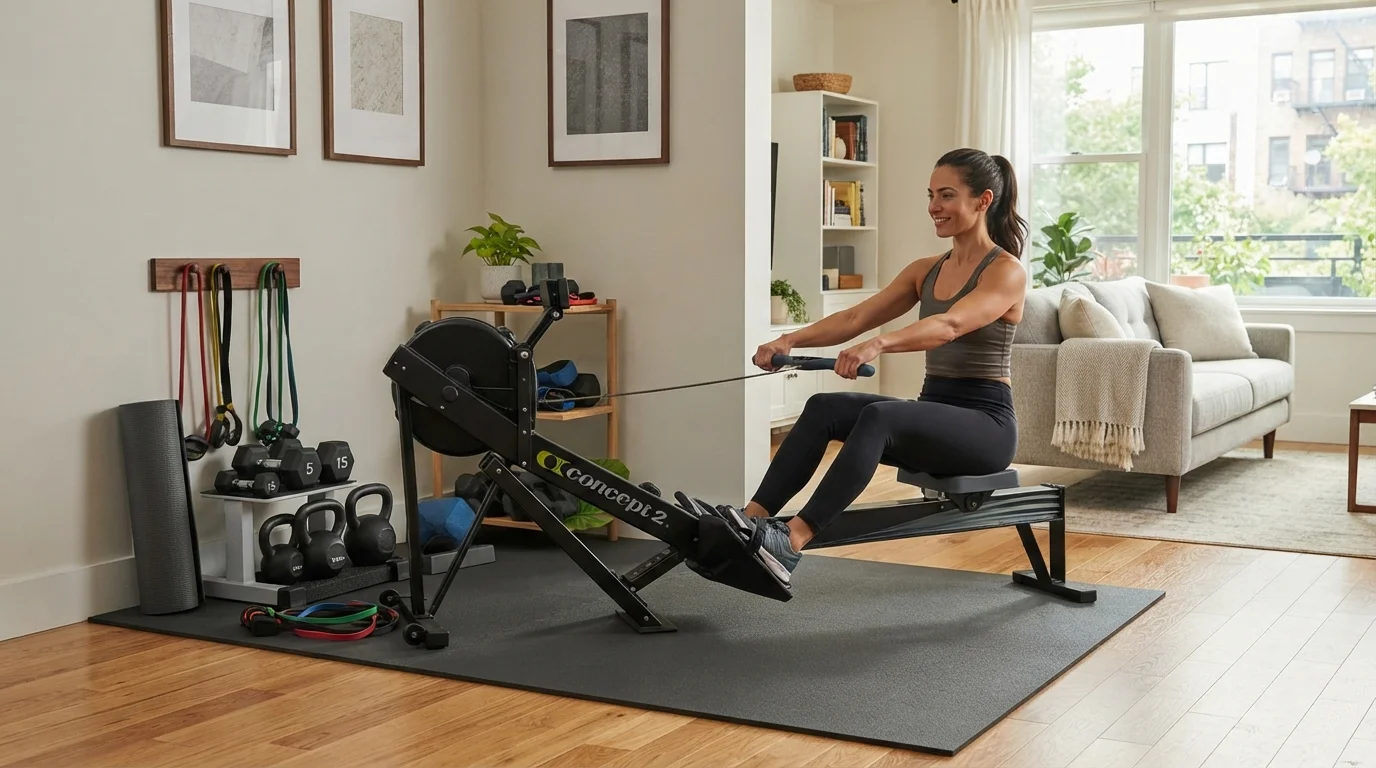
You want a home gym, but your house isn’t a mansion. Maybe it’s a cozy apartment, a two-bedroom condo, or a suburban home where every square foot already has a job. The idea of a full-blown fitness room sounds great—until you realize you’d have to evict the guest bed or the home office. That’s where smart space planning comes in. You can create an effective home gym layout without letting it creep into every corner of your daily life.
In this guide, I’ll walk you through practical strategies to carve out a dedicated workout zone that feels intentional, not intrusive. We’ll cover everything from choosing the right spot to organizing gear so your home remains a home first. For more foundational ideas on how to arrange different rooms, check out our space planning tips and tricks across your entire house.
1. Start With a Purpose: What Kind of Workout Are You Doing?
Before you move a single dumbbell, ask yourself: what type of training will happen here? A yoga practice needs open floor space and calm. Weightlifting demands sturdy flooring and clearance around a rack. Cardio machines need ventilation and a clear path.
Your answer dictates everything about the home gym layout. If you’re a runner who hates treadmills but loves virtual spin classes, a stationary bike fits in a corner. If you’re all about kettlebells and bodyweight circuits, you need a wall-mounted mirror and a mat that rolls up fast. This clarity prevents you from buying equipment you’ll never use—which is the number one reason home gyms become junk rooms.
2. Find the Right Room (Without Rearranging Your Whole House)
Most people assume they need a spare bedroom. But the best location is often the one you overlook. Think about these quieter zones:
- Underutilized corners of the master bedroom: A 4×6-foot mat next to the window works for stretching, core work, and light weights.
- Wide hallway landings or alcoves: Often dead space in older homes, perfect for a compact rower or a pull-up bar.
- The garage or basement corner: Resist filling it with holiday decorations. Instead, claim a painted section for your gear.
- A section of the living or dining room: Use a folding screen or a tall plant to visually separate the area when not in use.
Remember, the goal isn’t to take over the house. It’s to integrate fitness into your existing home design without shouting “gym” at every guest. If you’re lucky enough to have a dedicated exterior space, our outdoor living ideas can inspire an open-air workout area, too.
3. Use Vertical Space Like a Pro
Floor space is precious. Vertical space is your best friend. Wall-mount everything you can. A simple pegboard system holds resistance bands, jump ropes, and yoga straps neatly. Wall-mounted dumbbell racks keep weights off the floor and organized by size.
Even a pull-up bar doubles as a storage point for hanging a punching bag or a suspension trainer. If you have a tall ceiling, consider a ceiling-mounted pulley system for cable exercises. This approach keeps your home fitness setup tidy and prevents that “explosion of gear” look that kills room aesthetics.
For inspiration on how to make every inch work harder, check out a resource like this comprehensive guide on maximizing small home spaces. It offers practical hacks that translate directly to gym gear storage.
4. Choose Multifunctional Furniture and Equipment
In a home where space is limited, every item should earn its keep. A weight bench that folds flat slides under the sofa. Adjustable dumbbells replace an entire rack of individual weights. A yoga mat that doubles as a kneeling pad for gardening or home repair projects.
Think about modular solutions: stackable storage cubes that hold gear but also serve as seating or side tables. A trunk at the foot of your bed can hold foam rollers and resistance bands, then act as a bench for putting on shoes. This multifunctional approach is the heart of compact gym organization—you never dedicate a piece of furniture solely to fitness.
5. Plan for Quick Setup and Teardown
If your gym shares space with a living room or guest room, you need a routine that takes less than two minutes. Design a system where everything has a “home” and a clear path from storage to use. A caddy or rolling cart keeps small items like bands, gloves, and earbuds together.
Lay down a thick gym mat that defines the workout zone. When you’re done, roll it up and lean it against the wall. If you use a folding treadmill, make sure the folding mechanism is smooth and the unit has wheels. This friction-free setup is what separates a space you actually use from one you just walk past.
Here’s a quick comparison to help you decide between different equipment types based on your space constraints:
| Equipment Type | Space Needed | Ease of Storage | Best For |
|---|---|---|---|
| Adjustable Dumbbells | 2×2 ft | Very high (one piece) | Strength training, small rooms |
| Foldable Bench | 4×2 ft (flat) | High (slides under bed) | Presses, rows, step-ups |
| Suspension Trainer (TRX-style) | 6×6 ft (open) | Very high (fits in drawer) | Bodyweight, core, mobility |
| Folding Treadmill | 5×3 ft (in use) | Moderate (needs wall lean) | Walking, jogging indoors |
6. Create Visual Separation Without Walls
A home gym that “takes over” isn’t just about physical clutter—it’s about visual noise. You don’t need a door to create separation. Use a large houseplant, a floor-to-ceiling curtain track, or a slim shelving unit (with plants or books facing the room and gear behind) to define the zone.
Color coding also works. Paint the wall behind your gym area a different, calming shade (think deep navy or sage green) to signal “this is the active zone.” When the gear is stored and the mat is rolled, the space should look intentional, not haphazard. This is a core principle of workout room without taking over house design—it blends in until you choose to use it.
7. Manage Noise and Vibration (Your Family Will Thank You)
The best home gym layout in the world fails if it shakes the chandelier downstairs. Protect your space and your relationships with a few smart additions. Use thick, dense interlocking foam tiles under any heavy equipment. If you have a second-floor gym, place a plywood subfloor under the tiles to distribute weight and absorb impact.
For cardio machines, look for models labeled “whisper quiet” or “quiet drive.” Keep a small fan or a Bluetooth speaker with a calm playlist nearby—both help mask the thumping sound of a burpee session. Use rubberized dumbbells instead of metal ones to reduce clanking. These small choices keep your gym from becoming a source of household tension.
Frequently Asked Questions
Can I put a home gym in a small apartment without making it look cluttered?
Absolutely. Stick to foldable equipment, use wall-mounted storage, and pick a neutral color palette for your gear. A rolling cart hides everything in seconds, and a large mirror visually opens the area.
What’s the minimum space needed for a functional home gym?
For bodyweight exercises, yoga, and light dumbbells, a 6×6-foot area is enough. For a treadmill or bike, add another 2 feet on each side. Focus on ceiling height too—you need at least 8 feet for overhead exercises.
How do I prevent my home gym from smelling musty?
Good ventilation is key. Crack a window, use a dehumidifier in basements, and clean your mat and equipment weekly. Store sweaty towels in a separate mesh bag. Consider an air purifier if the room lacks cross-breeze.
Should I install a mirror in my small home gym?
Yes, but make it a wall-mounted, full-length mirror rather than a leaning one (which eats floor space). Mirrors help with form and make the room feel bigger. Go for a frameless model for a cleaner look.
Is it worth buying a folding treadmill for a shared space?
If you walk or jog indoors regularly, yes. Modern folding treadmills are compact, have quiet motors, and roll away easily. Just test the folding mechanism before buying—some require more effort than others.
How do I keep my gym gear from damaging hardwood floors?
Always place a rubber or foam mat under any equipment. For heavy racks, add a rubber stall mat (available at farm supply stores). Sweat can also damage wood, so ventilate well and wipe up moisture immediately.
Can I combine my home gym with another room function?
Definitely. Many people pair it with a home office (stand during calls, stretch during breaks) or a guest room (use a Murphy bed or foldable furniture). A laundry room corner also works if you have enough clearance.
Conclusion
You don’t need a dedicated room to have a killer home gym. With intentional home gym layout choices, you can fit a functional workout zone into almost any home without sacrificing comfort or style. The key is to start small, prioritize what you’ll actually use, and make storage invisible. Your living room, bedroom, or garage can still serve its primary purpose—while adding a new layer of daily energy and health. So pick your corner, measure twice, and start moving. Your home will thank you.
For more guidance on arranging every area of your home efficiently, browse our full blog for additional tips on making small spaces feel big.