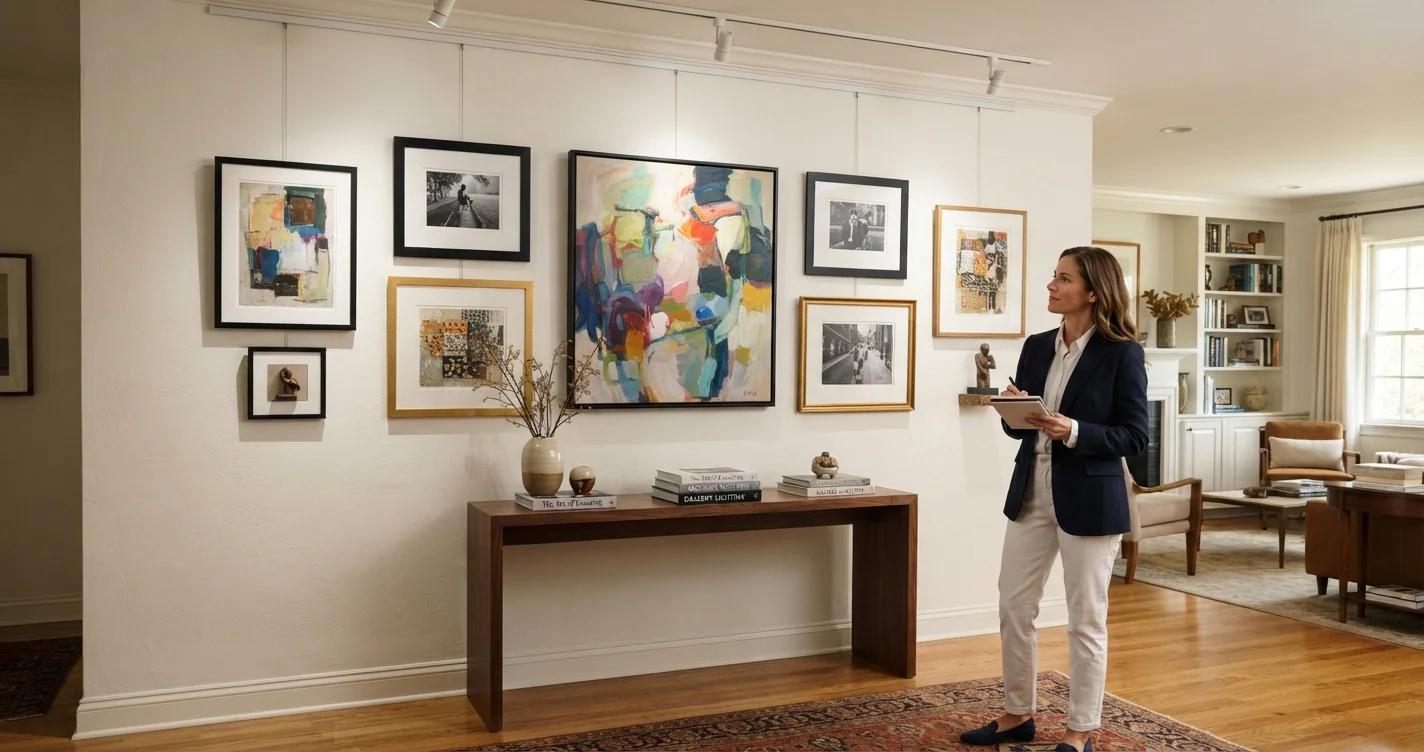
You’ve spent years curating your art collection. Each piece carries a story, a memory, or a spark of inspiration. But if your walls look cluttered, scattered, or just plain boring, your artwork isn’t getting the respect it deserves.
Displaying art isn’t just about hanging a frame on a nail. It’s about creating a visual rhythm, guiding the viewer’s eye, and making every piece feel intentional. Think of your home as a curated gallery — except the ticket is free, and the wine is already open.
Whether you own original paintings, limited-edition prints, or family photographs, this guide will teach you how to display your art collection like a seasoned gallery owner. No white gloves required.
Why Curation Matters More Than Price Tags
A $50 thrift-store find can outshine a $5,000 painting if it’s placed with care. The secret isn’t budget — it’s context. Galleries invest hours in selecting which works hang next to each other, at what height, and with how much breathing room.
Start by editing your collection. Pull out your favorite 5 to 7 pieces. Group them by color palette, subject matter, or emotional tone. Then, ask yourself: which ones tell a coherent story together? That story becomes the backbone of your home art display.
If you’re feeling stuck, browse our home design guides for inspiration on matching art with room personality.
Pick the Right Wall and Eye Level
Not every wall deserves art. The best spots are empty, well-lit, and free from distractions like light switches or furniture that crowds the frame. A living room wall above a sofa or a hallway leading to bedrooms are classic choices.
Here’s the golden rule: hang the center of your artwork at 57 to 60 inches from the floor. That’s average eye level in most galleries. If you’re hanging above a sofa, keep 6 to 8 inches of space between the top of the sofa and the bottom of the frame.
For a dining room or kitchen, you can go slightly lower since people sit or stand closer. Adjust based on how the piece interacts with daily movement in the room.
Master the Art of Grouping (Gallery Walls Done Right)
Grouping multiple pieces together creates impact. But a messy gallery wall screams “college dorm,” not “curated collection.” Use these guidelines to build a cohesive arrangement:
- Start with a focal piece: Pick the largest or boldest artwork as your anchor. Build everything around it.
- Maintain consistent spacing: Keep 2 to 4 inches between frames. Use painter’s tape to mark positions on the wall before hammering.
- Mix frame styles thoughtfully: If your frames are all different, unify them with matching mat colors or similar subject tones.
- Create a layout template: Cut paper templates the size of each frame, tape them to the wall, and step back. Adjust until the rhythm feels right.
For more practical layout strategies, check our space planning resources to maximize wall potential without overwhelming the room.
Lighting: The Gallery’s Best-Kept Secret
Even the most stunning painting looks flat under bad lighting. Galleries use track lighting, picture lights, and adjustable spotlights to sculpt shadows and enhance texture. You can do the same at home.
Install adjustable art lighting techniques like a picture light mounted directly above the frame, or a small track light on a dimmer. Aim the beam at a 30-degree angle to avoid glare on glass-covered works.
Natural light is tricky. Direct sunlight fades pigments over time, so position sensitive pieces away from south-facing windows. If you must hang near a window, use UV-protective glass or install sheer curtains.
For a comprehensive approach to outdoor and indoor spaces, explore garden design ideas that integrate sculpture or art installations in natural light settings.
Tabletop and Shelf Displays: Beyond the Wall
Not every piece needs a nail. Sculptures, ceramics, and small framed works shine on shelves, mantels, or console tables. This “layered” approach adds depth to your home art display and makes your collection feel three-dimensional.
Use these display rules for flat surfaces:
- Group objects in odd numbers (3 or 5 items).
- Vary heights — stack books, use small risers, or lean a canvas against the wall.
- Leave negative space. Don’t crowd every inch. Let the eye rest.
For a living room, try leaning a large framed print against the wall on a sideboard, then place a small sculpture in front of it. Instant gallery vibe with zero drilling.
How to Mix Different Art Styles Without Chaos
Modern abstract next to a vintage landscape? A black-and-white photograph beside a colorful watercolor? Absolutely. The trick is finding a unifying thread — color temperature, subject, or frame finish.
For example, if all your mix art styles have cool blues and grays, group them on one wall. If they have warm ochres and terracottas, give them another. When in doubt, use a neutral wall color (cream, soft gray, or white) as the canvas, and let the art pop.
Below is a quick reference table to help you decide how to pair styles:
| Style Combination | Unifying Element | Best Room |
|---|---|---|
| Abstract + Photography | Black-and-white color scheme | Living room or office |
| Vintage + Modern | Similar wood tones in frames | Dining room or hallway |
| Watercolor + Minimalist | Soft pastel palette | Bedroom or reading nook |
| Pop Art + Figurative | High-contrast edges | Entryway or game room |
This approach to gallery wall ideas keeps the eye engaged without feeling chaotic. Experiment, take photos, and sleep on it before committing to a layout.
Use the Right Hardware and Protect Your Investment
Heavy frames require wall anchors, not just a nail in drywall. For pieces over 20 pounds, use toggle bolts or French cleats. Always measure twice, hang once — a crooked frame distracts even from the most beautiful art.
Also consider framing upgrades. UV-protective acrylic instead of glass reduces glare and is safer for large pieces. Museum-grade mats prevent acid burn over time.
If you’re looking to elevate your entire home aesthetic, don’t miss the resources on our blog for room-by-room styling tips.
Frequently Asked Questions
What is the best height to hang artwork?
Center the piece at 57 to 60 inches from the floor. Adjust slightly for rooms where people mainly sit.
Can I mix black-and-white photos with colorful paintings?
Yes. Use matching frames or similar mat colors to tie them together. Let the color palette in the room be the bridge.
How do I light art without damaging it?
Use LED picture lights with UV filters. Keep bulbs at least 6 inches away from the surface. Avoid direct sun exposure.
What’s the ideal spacing between frames in a gallery wall?
2 to 4 inches between frames. Keep it consistent across the entire arrangement.
Should I match frames in a grouping?
Not necessarily. You can mix finishes if the art shares a color tone or subject. Alternatively, match frames for a cleaner, more formal look.
How many pieces are too many for one wall?
That depends on the wall size. A good rule is to leave 30% of the wall surface empty for breathing room. When in doubt, edit ruthlessly.
Can I display art in a bathroom or kitchen?
Yes, but avoid pieces with paper or watercolor in high-humidity areas. Use sealed canvases, metal prints, or art under glass. Consider using outdoor living spaces for durable art if you have covered areas—see our outdoor living category.
Do I need to frame all my prints?
Not at all. Canvas prints can hang unframed. Clips and float frames also work beautifully for a modern look.
Conclusion
Your art collection deserves more than storage boxes. With a bit of planning, the right lighting, and thoughtful arrangement, your home can feel like a private gallery — one that reflects your personality and taste.
Start small. Pick one wall. Edit your pieces. Hang them with intention. Then step back and enjoy the transformation. For even more inspiration on the subject, experts in home and garden spaces suggest exploring professional resources like curated home styling guides to fine-tune your approach
Your walls are your canvas. Paint them with stories.