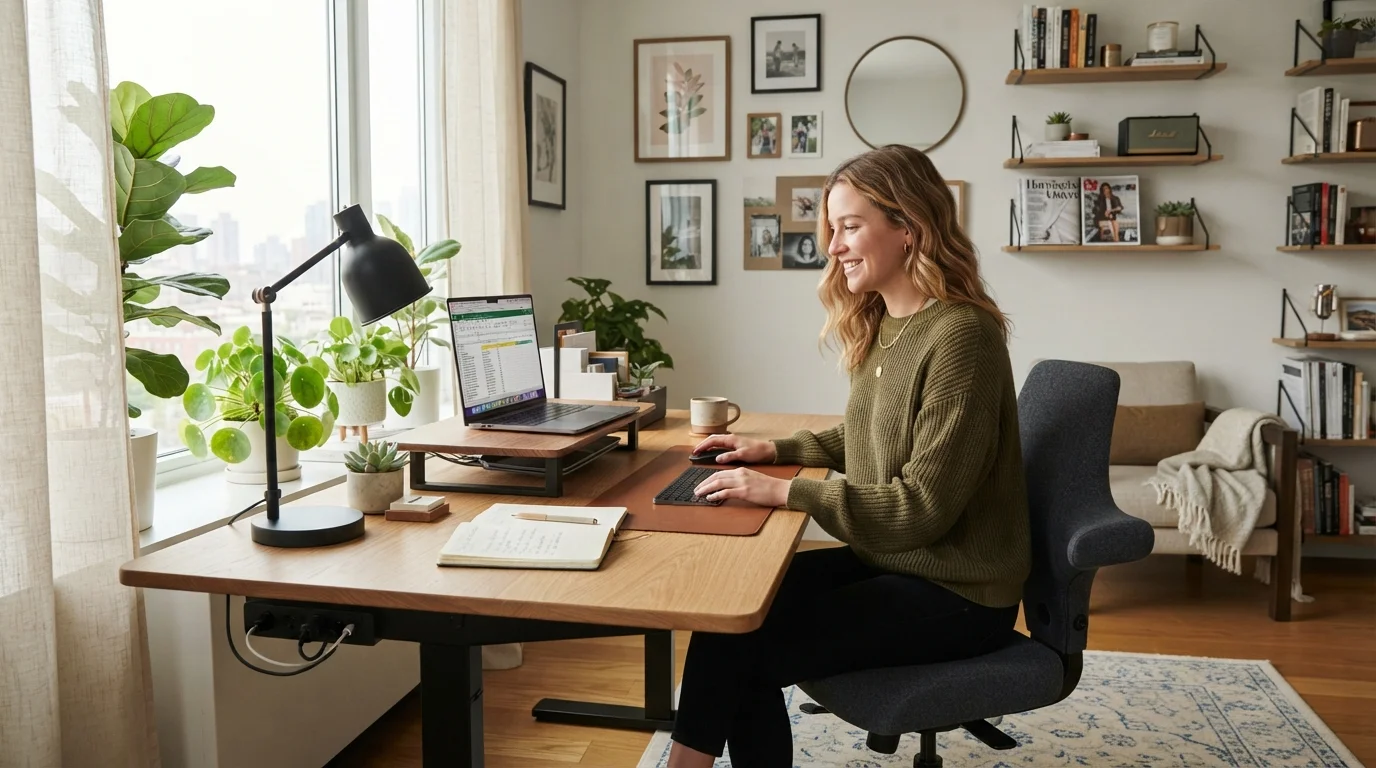
Working from home is no longer a temporary trend—it’s a lifestyle. But let’s be honest: not every corner of your house is ready to support eight hours of focused work. You need a space that balances comfort with productivity, and style with function. That’s exactly what we’re covering today: how to create a functional and stylish home office that you’ll actually enjoy using.
Whether you’re starting from scratch or upgrading an existing nook, this guide walks you through the essentials. From choosing the right desk to layering in personality, every decision matters. And the best part? You don’t need a massive budget or a dedicated room—just a smart plan. For more inspiration on arranging your entire home, explore our home design category for complementary ideas.
1. Define Your Work Zone and Layout
Before you buy a single piece of furniture, map out your space. Think about where natural light hits, where power outlets are located, and how much square footage you realistically have. A productive home workspace starts with a clear zone—even if that zone is just a corner of your living room.
For small rooms, consider a wall-mounted desk to free up floor space. If you have a dedicated room, position your desk perpendicular to the window to reduce screen glare while still enjoying the view. Remember: the layout should support your workflow, not fight against it.
If you’re struggling with tight quarters, our space planning tips can help you maximize every inch without feeling cramped.
2. Invest in Ergonomic Essentials
Your body will thank you. A stylish home office isn’t worth much if you end up with back pain or wrist strain. Prioritize an ergonomic chair with lumbar support, an adjustable desk (sit-stand models are fantastic), and a monitor arm that positions your screen at eye level.
Don’t forget your keyboard and mouse—opt for an ergonomic set that keeps your wrists neutral. These small upgrades dramatically boost your home office design’s functionality. As a rule of thumb, your elbows should form a 90-degree angle when typing, and your feet should rest flat on the floor.
According to the Home & Garden Spaces resource hub, investing in ergonomic furniture early prevents long-term health issues and actually increases your daily output.
3. Choose a Cohesive Color Palette and Lighting
Color directly affects your mood and focus. For a functional and stylish home office, stick to calming neutrals like soft gray, warm beige, or sage green as your base. Then add pops of color through accessories—think a mustard yellow cushion or a navy blue desk lamp.
Lighting is just as critical. Layer three types: ambient (overhead), task (desk lamp), and accent (wall sconces or LED strips). Natural light is a bonus, so position your desk to catch morning sunlight without computer glare. Full-spectrum bulbs that mimic daylight work wonders on cloudy days.
If your office opens to an outdoor space, you can carry the palette outside. Check out our outdoor living ideas to create a seamless indoor-outdoor flow for those fresh-air brainstorming sessions.
4. Smart Storage and Organization
Clutter kills concentration. A cluttered desk leads to a cluttered mind. That’s why home office organization is non-negotiable. Start by sorting your supplies into categories: daily use items (pen holder, notepad) and reference storage (files, books, tech accessories).
Here’s a quick checklist of storage solutions that add style without sacrificing function:
- Floating shelves for books and decorative bins
- A pegboard wall for hanging scissors, cables, and small tools
- Drawer dividers to keep paper clips and sticky notes in order
- Cable management clips or a cord cover to hide unsightly wires
- A rolling cart that tucks under your desk for extra supplies
Think vertically when floor space is tight. Wall-mounted organizers keep your desktop clear while adding visual interest to blank walls.
5. Personalize with Plants, Art, and Textures
This is where your workspace becomes truly yours. A small home office layout can feel cold and institutional without personal touches. Add a low-maintenance plant like a snake plant or pothos—they purify the air and add life to the room.
Hang a piece of art that inspires you, whether it’s a bold abstract print or a calming landscape. Throw in a soft rug, a textured cushion, or a knit throw blanket for warmth. These elements absorb sound and make the space feel inviting.
Don’t overdo it, though. A few curated pieces are better than a chaotic gallery wall. The goal is to create a backdrop that energizes you without distracting your focus.
6. Incorporate Technology Without Sacrificing Style
Tech can be ugly—but it doesn’t have to be. Modern monitors, speakers, and routers come in sleek designs. Choose a monitor with a slim bezel, a keyboard with a minimalist profile, and a wireless mouse that blends into your desk mat.
Hide your surge protector inside a cable management box or behind your desk. Use a laptop stand to elevate your device and improve airflow. Charge your devices on a dedicated dock instead of leaving cables strewn across the surface.
For a quick comparison, here’s a simple table to help you prioritize tech investments for your functional and stylish home office:
| Item | Budget Pick | Investment Pick | Style Tip |
|---|---|---|---|
| Desk | IKEA LINNMON | Uplift V2 standing desk | Add a bamboo or walnut top |
| Chair | IKEA Markus | Herman Miller Aeron | Choose leather or mesh in neutral |
| Monitor | Dell 27” 4K | LG UltraFine 5K | Mount on arm to save desk space |
| Lighting | BenQ ScreenBar | Artemide Tolomeo | Warm bulbs for coziness |
Remember: your tech should serve your workflow, not dominate the room. Keep cables hidden and surfaces clean. For even more insights on designing every part of your home, don’t miss the latest articles on our blog.
Frequently Asked Questions (FAQ)
1. What is the ideal size for a home office?
There’s no one-size-fits-all answer. A dedicated room of 50–100 square feet is comfortable, but a corner of 20 square feet works with smart vertical storage. Focus on usability over square footage.
2. How can I make a small home office feel larger?
Use light colors on walls and furniture, add a large mirror to reflect natural light, and choose a glass or acrylic desk to create an airy feel. Floating shelves also keep the floor visually open.
3. Should I use a sit-stand desk?
Absolutely—if your budget allows. Alternating between sitting and standing reduces fatigue, improves posture, and boosts circulation. Even an hour of standing per day makes a difference.
4. What are the best plants for a home office?
Snake plants, ZZ plants, pothos, and succulents thrive in indirect light and require minimal watering. They also improve air quality and add a fresh aesthetic without high maintenance.
5. How do I organize cables without a mess?
Use adhesive cable clips along the underside of your desk, bundle cables with Velcro ties, and hide the power strip inside a cable management box. Label each cord with small tags for easy identification.
6. Can I design a home office on a tight budget?
Yes. Repurpose an existing dining table or dresser as a desk, use a quality secondhand chair, and DIY wall art. Focus spending on a good monitor and ergonomic accessories. You can upgrade gradually.
7. How do I separate work from relaxation in a small space?
Use a room divider, a large bookshelf, or even a curtain to visually separate your work zone. When your workday ends, physically cover your desk with a cloth or close the laptop to signal “off time.”
Conclusion
Designing a functional and stylish home office isn’t about following trends—it’s about creating a space where you can do your best work while feeling comfortable and inspired. Start with your layout and ergonomics, then layer in organization, lighting, and personality. Every decision you make should bring you closer to a more productive home workspace.
Take it one step at a time. You don’t need to overhaul everything in a weekend. Pick one area—maybe your chair or your cable management—and improve it today. Before you know it, you’ll have an office that looks great, feels even better, and actually helps you get things done. Ready to get started?