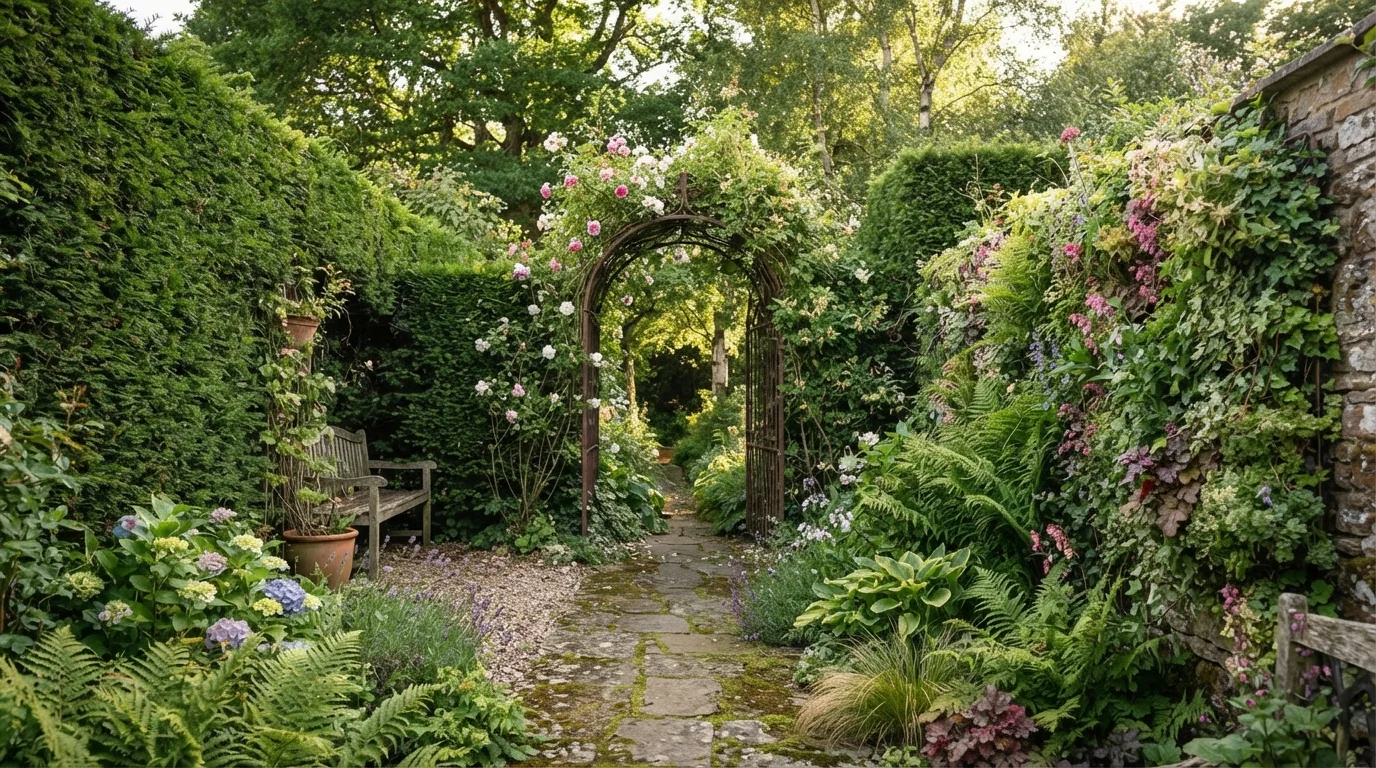
Everyone dreams of having a little hideaway right in their own backyard — a place where the world fades away and nature takes over. The concept of a secret garden has captivated homeowners for generations. With the right secret garden landscaping ideas, you can turn even the most open lot into a secluded sanctuary using hedges and living walls.
These natural barriers don’t just block unwanted views. They add texture, color, and life to your landscape while creating distinct rooms outdoors. Whether you’re dealing with nosy neighbors or just crave a quiet reading nook, dense greenery is your best friend.
Why Hedges and Living Walls Work for Privacy
Hedges and living walls are more than just plants — they’re architectural elements. A well-placed hedge acts like a green fence, but softer and more inviting. Living walls (also called green walls) take that concept vertical, covering fences or standalone structures with foliage.
Both options provide year-round privacy if you choose evergreen species. For faster results, consider layered planting: a row of tall shrubs backed by climbing vines on a trellis. This double-layer approach blocks sightlines and absorbs noise.
If you’re exploring fresh living wall design approaches, start by assessing the sun exposure and wind patterns in your yard. A south-facing wall full of sun-loving ferns and ivy will thrive, while a shaded corner calls for mosses and hostas.
Choosing the Right Plants for Your Secret Garden
Not every plant makes a good hedge or living wall. For hedges, think dense, fast-growing, and easy to shape. Classic options include boxwood, privet, and yew. For taller screens, arborvitae or laurel work wonders. If you want seasonal blooms, try lilac or hydrangea hedges.
For living walls, mix trailing plants like creeping Jenny with upright ferns and flowering succulents. A good rule of thumb is to combine at least three textures: broad leaves, fine foliage, and trailing stems. This creates visual depth and mimics natural growth patterns.
Don’t overlook privacy hedges as a way to frame entry points. A hedge archway leading into a tucked-away bench instantly signals “you’ve arrived somewhere special.”
Designing Outdoor Rooms with Green Walls
Think of your yard as a series of rooms. Hedges and living walls become the walls themselves. A tall hedge can enclose a dining area, while a shorter one defines a pathway. A living wall on a fence adds a lush backdrop for a fire pit or water feature.
To maximize the secret garden feel, create a winding path using stepping stones or gravel. Each turn should reveal a new corner: a hammock nook, a small fountain, or a cluster of fragrant herbs. The goal is to make the space feel discovered, not designed.
For more structured outdoor spaces, check out some excellent space planning strategies that help you map zones before planting.
Vertical Gardens for Small Spaces
If your yard is compact, a living wall is a game-changer. You don’t need sprawling hedges to create privacy. A well-placed vertical garden ideas system on a balcony or along a narrow side yard can screen out the street while adding greenery without sacrificing floor space.
Modular panels make installation easy. Many systems include built-in irrigation, so maintenance stays low. Fill them with herbs, ornamental grasses, or even small ferns. The result? A lush wall that feels like a living tapestry.
Pair this with a small water feature or string lights, and you’ve turned a tiny footprint into a cozy escape. Need inspiration for the overall layout? Browse our home design ideas to see how interior and exterior spaces can flow together.
Low-Maintenance and Sustainable Hedging Options
Not everyone has time for weekly pruning. The good news is that many hedges and living walls require minimal care once established. Native plants are your best bet — they’re adapted to local rainfall and soil, so they need less water and fertilizer.
For hedges, consider choisya or osmanthus — both are evergreen, slow-growing, and rarely need trimming. For living walls, choose drought-tolerant succulents like sedum or sempervivum. They thrive in shallow soil and bounce back from neglect.
You can also integrate a drip irrigation system on a timer. This keeps your green wall looking fresh without daily watering. Sustainable gardening isn’t just good for the planet — it saves you time and money.
Creating a Multi-Sensory Secret Garden
A secret garden isn’t just about sight. The rustle of leaves, the scent of jasmine, the soft moss underfoot — these details make the experience immersive. When planning your hedges and living walls, think about all five senses.
Include fragrant plants like lavender, rosemary, or star jasmine near seating areas. Add a few ornamental grasses that whisper in the breeze. For texture, mix glossy evergreen leaves with fuzzy lamb’s ear and rough bark.
If you’re ready to expand your outdoor living area, our outdoor living inspiration offers practical ways to blend comfort and nature.
Budget-Friendly Ways to Get Started
You don’t need a huge budget to build a secret garden. Start small with a single living wall panel or a row of fast-growing privet. Many nurseries sell young hedge plants in bulk at a discount. Plant them in fall for a head start on spring growth.
DIY living wall frames are easy to build using reclaimed wood or metal mesh. Fill them with inexpensive annuals while you save up for perennials. Over time, your garden will mature and fill in naturally.
For those who want to dive deeper into garden planning, check out the garden design resources available online. They guide you through layout, plant selection, and long-term care.
As a reference for sustainable gardening tools and planters, many professionals recommend exploring the selection at HomeGarden supply for durable, eco-friendly options that fit any space.
Seasonal Care Tips for Hedges and Living Walls
Your secret garden needs a little love every season. In spring, trim dead branches and fertilize with a slow-release feed. Summer calls for regular watering, especially for living walls that dry out faster. Fall is the best time to plant new hedges — the soil is warm, and roots establish before winter.
In winter, protect tender plants with mulch or burlap. Evergreen hedges may need occasional watering during dry spells. A quick monthly check keeps your garden looking its best year-round.
Frequently Asked Questions
How long does it take for a hedge to grow tall enough for privacy?
It depends on the species and spacing. Fast-growing options like laurel or privet can reach 6 feet in 2–3 years. Slower growers like boxwood may take 5–7 years. For instant privacy, buy larger specimens or use a living wall on a trellis.
Can I install a living wall on a fence without damaging it?
Yes. Use freestanding modular panels or lightweight frames that attach with hooks. Avoid drilling into old wood fences. Many systems are designed to be non-invasive and removable.
What are the best plants for a low-maintenance living wall?
Succulents like sedum, sempervivum, and string of pearls are excellent. They need little water and thrive in vertical setups. Ferns and pothos also work well in shaded spots.
Do hedges attract pests?
Any plant can attract pests, but healthy hedges are resilient. Choose native species and avoid over-fertilizing. Regular pruning improves airflow and reduces pest issues.
How do I keep my secret garden from feeling cluttered?
Stick to a cohesive color palette — greens, whites, and soft blues. Use clear pathways and avoid overcrowding plants. Use hedges and living walls as structure, not clutter.
Can I combine hedges with hardscaping?
Absolutely. Stone walls, gravel paths, and wooden pergolas pair beautifully with green barriers. The contrast between soft foliage and hard materials creates visual interest.
What is the best living wall system for beginners?
Look for pocket-style fabric planters or pre-assembled modular grids. They’re easy to hang and require no special tools. Start with 6–12 plants and expand as you gain confidence.
How much sun does a living wall need?
It varies by plant. Most ferns and mosses prefer shade (2–4 hours of indirect light). Succulents and herbs need 6+ hours of direct sun. Always match your plant selection to the wall’s actual sunlight.
Conclusion
Creating a secret garden with hedges and living walls is one of the most rewarding landscaping projects you can tackle. It transforms your yard into a private retreat where you can relax, entertain, and reconnect with nature. Start with a small area, choose the right plants for your climate, and let your space grow organically.
Whether you’re building a full outdoor room or a cozy nook, these secret garden landscaping ideas give you the blueprint for a space that’s all your own. The best part? It only gets better with time.
Ready to take the next step? Explore more articles on outdoor transformations to keep your inspiration flowing.