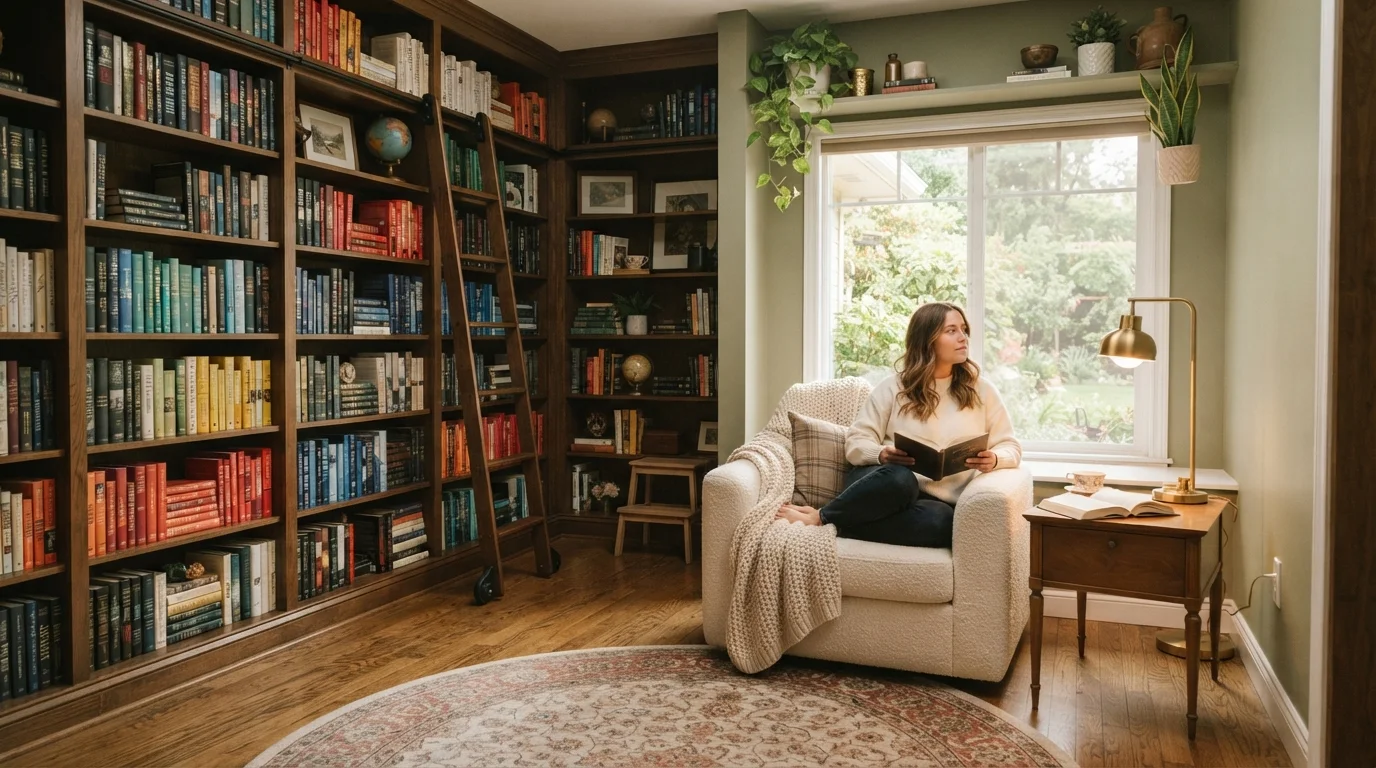
We all dream of a dedicated spot to curl up with a great book. Whether you have a spare room or just a quiet corner in your living room, space planning for home libraries can turn that dream into reality. A well-planned reading area doesn’t just store books—it creates a mood, boosts focus, and adds value to your home. In this guide, I’ll walk you through practical steps to design a library or reading corner that fits your space, style, and budget.
Why Thoughtful Layout Matters in a Home Library
A haphazard arrangement of shelves and seating can make even a large room feel cramped. Smart home library design starts with understanding how you’ll use the space. Do you need a quiet desk for studying? A lounge chair for leisure reads? Or maybe a kids’ nook with low shelves? Mapping out zones first prevents wasted square footage and ensures every element has a purpose.
Think about traffic flow. Leave at least 36 inches of walking space between shelves and furniture. If your room is narrow, consider a single wall of floor-to-ceiling shelving rather than opposing walls, which can feel like a tunnel. For a cozy reading nook, place your chair at an angle near a window to take advantage of natural light without glare on the page.
Measuring and Mapping Your Available Space
Before buying a single shelf, grab a tape measure and a notebook. Note the dimensions of your room or corner, including door swings, windows, and electrical outlets. Small space library solutions often come down to precise measurements. A depth of 10 to 12 inches is standard for bookcases, but if you’re tight on floor space, consider a shallow 8-inch shelf for paperbacks.
Create a simple floor plan on graph paper or use a free online tool. Mark your “reading zone” (where the chair or chaise goes) and your “storage zone” (bookshelves). If the room doubles as a guest space, a daybed with storage underneath can serve both functions. This is where reading corner ideas meet real-world constraints—always measure before you commit to furniture.
Choosing the Right Shelving System
Shelving is the backbone of any home library. Here are the three most common types for space planning for home libraries:
- Built-in bookshelves: Custom-fitted to your wall, they maximize every inch and create a seamless, high-end look. Ideal for irregular alcoves or rooms with slanted ceilings.
- Modular systems: Cube-style or adjustable shelves that you can reconfigure later. Great for renters or evolving collections.
- Floating shelves: Perfect for small spaces or accent walls. They keep the floor clear and work well in a hallway-turned-reading-corner.
Whatever system you choose, alternate vertical and horizontal stacking to break up visual weight. Leave a few empty spaces for decorative objects—this prevents the room from looking cluttered. For deeper collections, consider a rolling ladder on a rail system; it adds drama and functionality.
Furniture Selection for Comfort and Flow
A home library needs at least one piece of seating that invites you to stay for hours. An oversized armchair with a high back, a chaise lounge, or a window seat with plush cushions all work well. In a cozy reading nook, a small side table for your coffee and a floor lamp with adjustable brightness are non-negotiable.
If your room is part of a larger open-plan living area, use the back of a sofa or a low bookcase to define the reading zone without walls. For more ideas on arranging furniture within a broader layout, check out the space planning category on our site for visual guides and room-by-room tips.
Don’t forget a rug. A wool or jute rug anchors the seating area, absorbs sound, and makes the space feel warmer. Keep the pile low so chair legs don’t wobble.
Lighting: The Secret Ingredient
Nothing kills a reading session faster than bad lighting. Layer your light sources: ambient (overhead), task (reading lamp), and accent (shelf lighting). A swing-arm sconce mounted beside your chair saves tabletop space. LED strip lights under shelves illuminate titles without overheating.
Position overhead lights on a dimmer switch so you can adjust the mood from bright for reference work to soft for winding down. Natural light is wonderful, but avoid placing your reading chair directly in a sunbeam—glare on glossy pages and fading on book spines are real concerns. Use sheer curtains to diffuse harsh midday light.
Incorporating Style and Personalization
Your home library should reflect your personality. Paint the ceiling a deep jewel tone (navy, emerald, or charcoal) to create a cocoon effect. Gallery walls above shelves, vintage globes, or small plants add warmth without crowding the space. For cohesive home library design, pick a color palette of two to three hues and repeat them in the books, the furniture, and the accessories.
If you’re working with a tight budget, start with one statement wall of shelving and add pieces over time. For inspiration on blending indoor and outdoor aesthetics, the garden design category offers ideas for bringing natural textures into your reading area, like wicker baskets or a small indoor fountain.
Comparison of Layout Options by Room Type
| Room Type | Best Layout Strategy | Recommended Shelving | Seating Suggestion |
|---|---|---|---|
| Dedicated spare room | Two facing walls of shelves + center seating | Floor-to-ceiling built-ins | Large armchair + ottoman |
| Living room corner | One accent wall + chair by window | Modular cube system | Chaise lounge or wingback |
| Bedroom nook | Above-bed shelving + corner armchair | Floating shelves | Small slipper chair |
| Hallway or landing | Single narrow bookcase + foldable stool | Shallow floating shelves | Floor cushion or bench |
This table gives you a quick reference for matching your room type with a proven layout. Remember, always prioritize the way you actually live in the space—a hallway landing can become a delightful surprise reading spot if planned well.
Frequently Asked Questions About Space Planning for Home Libraries
How do I plan a home library in a small apartment?
Focus on vertical storage and multi-functional furniture. Use tall, narrow bookcases, a wall-mounted reading lamp, and a slim chair. A fold-down desk can double as a workspace and reading surface. For more compact living solutions, visit our home design category for apartment-friendly layouts.
What is the ideal depth for bookshelves?
Standard depth is 10–12 inches for hardcovers and trade paperbacks. If you mostly read pocket-sized books or magazines, 8 inches works fine. Measure your largest books first.
Should I put shelves on all walls?
Not necessarily. Full-wall shelving can overpower a small room. One or two feature walls with open space between prevent visual clutter and give your eyes a resting place.
How do I prevent my reading corner from feeling dark?
Use mirrors opposite windows to bounce light deeper into the room. Paint walls a light, warm tone (cream, pale yellow, or light gray). Add task lighting with a warm kelvin rating (2700K–3000K) for a cozy glow.
Can I combine a home office with a library?
Absolutely. Place your desk facing the door or window, with bookshelves behind you. A rolling cart for office supplies keeps the library look tidy. This hybrid setup is trending, and you can explore more examples in the blog.
What’s the best way to arrange books for visual appeal?
Group books by color for a rainbow effect, or by height for a clean gradient. Intersperse a few horizontal stacks with vertical rows. Leave about 20% of shelf space for art and objects.
How much does a custom built-in library cost?
Cost varies widely. A small reach-in built-in (4 feet wide) might run $800–$1,500. A full wall with crown molding and ladder can exceed $5,000. For DIY alternatives, modular systems from IKEA or Target offer great looks for under $400 per unit.
Do I need a permit for structural changes?
Usually not for standalone shelving. But if you’re removing walls or adding recessed lighting, check local codes. For expert advice on renovations and outdoor library expansion, the outdoor living category covers covered porches and sunrooms where you could extend your reading space.
Conclusion
Effective space planning for home libraries is about balance—between storage and comfort, between light and shadow, between function and beauty. Start with a clear floor plan, choose flexible shelving, and invest in at least one piece of seating that makes you want to stay. Whether you’re carving out a tiny reading corner ideas spot in your bedroom or building a floor-to-ceiling library in a dedicated room, the goal remains the same: create a place where you can disconnect from screens and reconnect with stories.
Remember, your library can grow with you. Begin with the essentials, then add layers—a footstool, a small side table, maybe a plant or two. For more insights on designing intentional spaces throughout your home, explore our full space planning category for room-by-room guides. And if you want to take your organization to the next level, this home library planning resource offers additional templates and checklists to streamline your project.
Now grab that tape measure and start mapping out your perfect reading retreat. Your next great adventure is waiting—not on a screen, but on the page, just a few feet from your favorite chair.