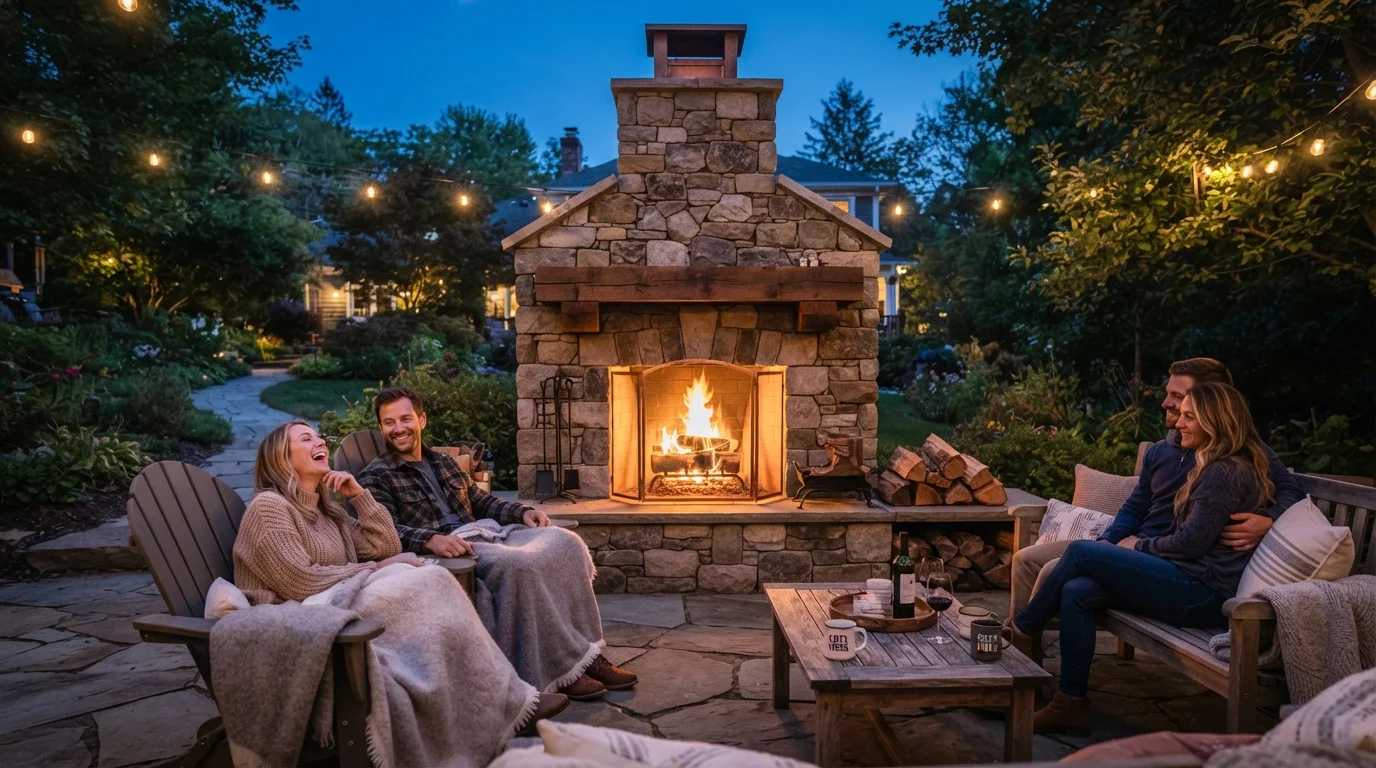
There’s something magical about gathering around a crackling fire under the stars. An outdoor fireplace doesn’t just add warmth—it becomes the heart of your backyard, extending the season for entertaining and relaxation. Whether you’re a seasoned DIYer or working with a pro, learning how to build an outdoor fireplace for maximum cozy vibes is a rewarding project that boosts both your home’s value and your quality of life. In this guide, I’ll walk you through every step, from planning to final touches, so you can create a stunning focal point for your outdoor living area.
Why Add an Outdoor Fireplace to Your Backyard?
An outdoor fireplace is more than a heat source—it’s an experience. It creates a natural gathering spot for family and friends, making your yard usable even on chilly evenings. Unlike a fire pit, a fireplace offers a contained, elevated flame that adds structure and a sense of permanence to your landscape.
From a design perspective, it anchors your garden design and can be customized to match your home’s architecture. Plus, it’s a smart investment: homes with well-designed outdoor living features often see a strong return on investment. The key is to balance aesthetics with function, ensuring your fireplace feels inviting without overwhelming the space.
Choosing the Right Location and Design
Before you break ground, think about placement. You want your fireplace to be a focal point but not obstruct pathways or overwhelm the yard. Consider prevailing winds—position it so smoke drifts away from seating areas and your house. Also, check local building codes and HOA rules; many areas require permits and specific setbacks from structures.
When it comes to outdoor fireplace design, the options are endless. A traditional stone or brick fireplace blends seamlessly with rustic and craftsman homes. Modern designs favor clean lines with concrete or stucco finishes. For a more budget-friendly approach, consider a prefabricated firebox kit that you can surround with veneer—this saves time and ensures proper airflow.
Essential Materials and Tools for the Job
Gathering the right materials upfront prevents frustrating trips to the hardware store mid-project. Here’s what you’ll need for a standard masonry or veneer fireplace:
- Firebox: A pre-cast concrete or metal firebox rated for outdoor use is the safest option.
- Masonry blocks or bricks: Use fire-rated materials for the inner chamber and durable stone or brick for the exterior.
- Mortar and concrete mix: High-heat mortar is essential for the firebox area.
- Chimney pipe or flue: A stainless steel liner or clay flue tiles ensure proper smoke evacuation.
- Base foundation materials: Gravel, rebar, and concrete for a stable footing below the frost line.
- Tools: Shovel, level, trowel, masonry saw, tape measure, and safety gear (gloves, goggles).
Step-by-Step DIY Guide: Building Your Fireplace
1. Prepare the Foundation
A stable foundation is non-negotiable. Dig a hole about 12–18 inches deep, fill it with compacted gravel, and pour a concrete slab reinforced with rebar. Allow it to cure for at least 48 hours. This base supports the weight of the fireplace and prevents cracking from ground movement.
2. Build the Base and Firebox
Lay the first course of masonry blocks on the cured slab, checking for level frequently. Build up the base to about 24–36 inches high—this is your firebox floor. Place the firebox insert on top, ensuring it’s centered. Then, continue stacking blocks around it, using high-heat mortar inside the firebox area.
3. Construct the Smoke Chamber and Chimney
Above the firebox, you’ll need a transition section (the smoke chamber) that funnels smoke into the chimney. Narrow the opening gradually over two to three courses of block. Install your flue liner or stainless steel chimney pipe, securing it with refractory cement. The chimney should extend at least 2 feet above the highest point of your roof for proper draft.
4. Apply the Exterior Finish
Once the structure is solid, it’s time for the fun part: the exterior. You can use natural stone, brick veneer, or stucco. For a rustic look, opt for irregular field stone. If you prefer a sleek style, smooth stucco or large-format tiles work beautifully. Make sure the finish is weather-resistant and sealed.
Seating and Surroundings: Maximizing the Cozy Factor
A fireplace is only as cozy as the space around it. Arrange seating in a semi-circle to encourage conversation and face the fire. Built-in benches with cushions are durable and inviting, while movable Adirondack chairs offer flexibility for larger gatherings.
Add soft lighting with string lights or lanterns, and incorporate natural elements like planters or a small water feature. Don’t forget a side table for drinks and marshmallows. For more ideas on arranging your space, check out our tips on space planning.
Safety Considerations and Maintenance
Even a well-built fireplace requires ongoing care. Always use a spark screen to prevent embers from escaping. Keep a fire extinguisher nearby, and never leave a fire unattended. Clean the firebox and chimney annually to remove creosote buildup, which can cause dangerous chimney fires.
Check for cracks in the mortar and stone each spring. Seal the exterior every few years to protect against moisture. With regular upkeep, your backyard fireplace ideas can last for decades, providing a safe and beautiful gathering spot.
Design Inspiration: Styles That Never Go Out of Style
If you’re still deciding on the look, here’s a quick comparison of popular styles to help you match your cozy outdoor space vision:
| Style | Best For | Key Features |
|---|---|---|
| Rustic Stone | Cabins, farmhouses, wooded yards | Irregular stones, rough mortar, natural color palette |
| Modern Minimalist | Contemporary homes, patios | Clean lines, smooth stucco or concrete, neutral tones |
| Traditional Brick | Colonial, Tudor, or classic homes | Red or tan brick, arched opening, chimney cap |
| Corner or Wall-Mounted | Smaller patios, space-saving | Built into a retaining wall or corner, compact footprint |
Whichever style you choose, a well-planned DIY fireplace project adds personality and warmth. For more curated ideas, browse our home design category for complementary interior and exterior themes.
Frequently Asked Questions
How much does it cost to build an outdoor fireplace?
Costs vary widely. A basic DIY project using a kit and concrete blocks can run $1,500–$3,000. A custom masonry fireplace with stone veneer and professional labor often costs $5,000–$15,000 or more.
Can I use a regular indoor fireplace kit outdoors?
No. Indoor fireplaces aren’t built to withstand outdoor elements like rain and temperature swings. Always use a firebox and materials rated for outdoor use to ensure safety and durability.
How long does it take to build a DIY outdoor fireplace?
If you work on weekends, expect 2–4 weeks total. Foundation curing takes a few days, and laying block and applying finish adds time depending on complexity.
Do I need a building permit?
Most municipalities require a permit for any permanent structure with a chimney. Check with your local building department before starting work—skipping this step can lead to fines or demolition orders.
What’s the best fuel for an outdoor fireplace?
Seasoned hardwood is the classic choice for aroma and heat. Some homeowners prefer gas logs or a propane insert for easier ignition and cleaner burning. Choose based on your preference for authenticity versus convenience.
How do I keep my outdoor fireplace from smoking?
Proper chimney height (at least 2 feet above the roof peak) and a correctly sized flue are critical. Also, preheat the flue by lighting a small piece of newspaper before adding larger logs—this helps create a strong draft.
Can I build a fireplace on an existing concrete patio?
Only if the patio slab is at least 4 inches thick, reinforced, and in good condition. Otherwise, you’ll need a separate foundation to avoid cracking from the weight and heat.
What are the best seating materials for near a fireplace?
Wrought iron, powder-coated aluminum, and treated wood hold up well. Avoid plastic or resin, which can warp or melt. Cushions should be outdoor-rated and stored when not in use.
Conclusion
Building an outdoor fireplace is one of the most rewarding projects you can tackle—it transforms your backyard into a year-round sanctuary. From choosing the right location to adding personal touches like seating and lighting, every decision brings you closer to that perfect, cozy vibe. Remember to prioritize safety, follow local codes, and invest in quality materials. For more inspiration and step-by-step guides for your home, visit our blog for the latest in home and garden ideas. For additional expert advice and product recommendations, check out this comprehensive resource on outdoor living upgrades.
Ready to start your project? Grab your tools, sketch your design, and turn that cold corner of your yard into the coziest spot on the block.