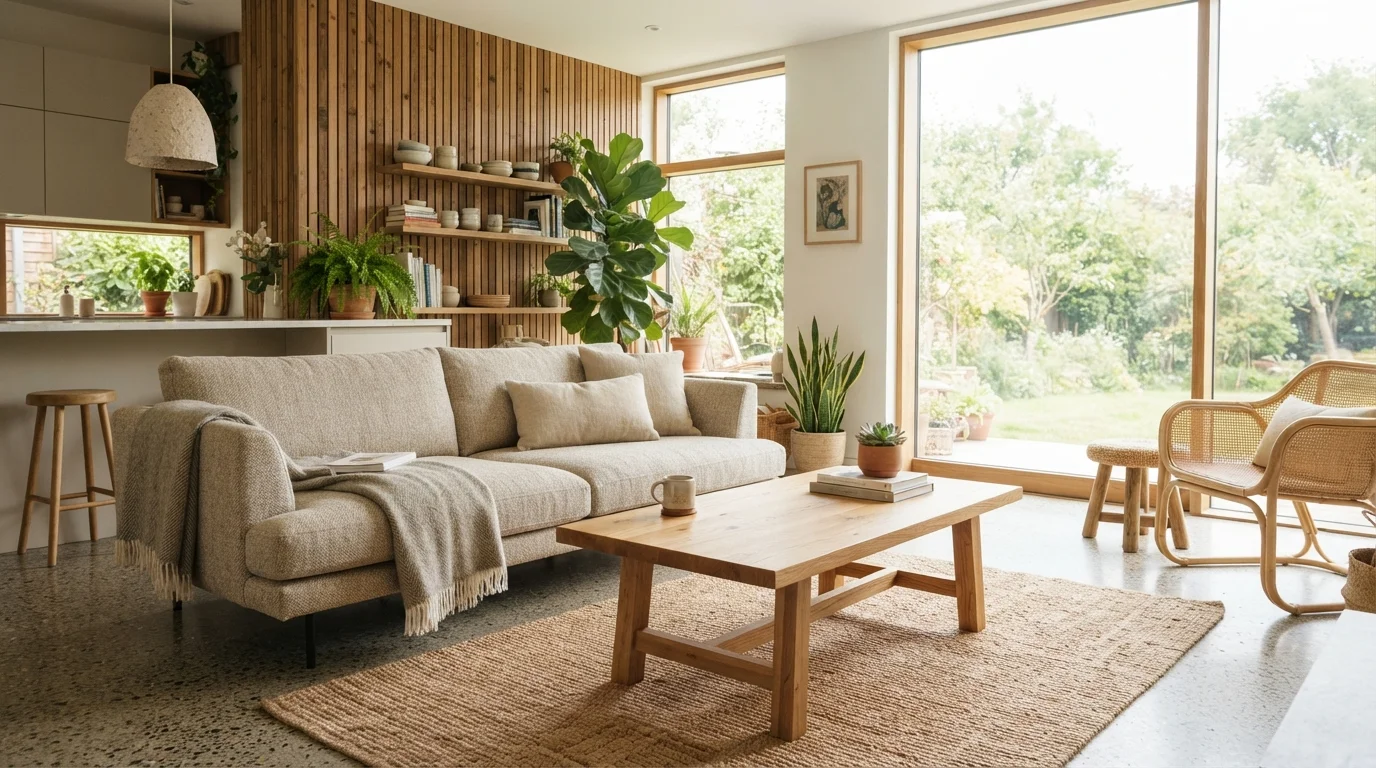
Sustainable home design is no longer a niche trend—it’s a responsible lifestyle choice. As we become more aware of our environmental footprint, the demand for eco-friendly materials in modern interiors has skyrocketed. But going green doesn’t mean sacrificing style. In fact, natural textures, reclaimed elements, and low-impact finishes often create warmer, more inviting spaces.
Whether you’re remodeling a single room or building from scratch, choosing sustainable materials can reduce waste, improve indoor air quality, and lower your carbon footprint. And the best part? Many of these options are surprisingly durable and cost-effective in the long run. Let’s explore how you can bring sustainable home design into your modern interiors without compromising on aesthetics or comfort.
Why Sustainable Home Design Matters Today
The construction and home decor industries are major contributors to global waste and emissions. By opting for eco-friendly materials, you’re directly supporting a shift toward circular economies and resource conservation. Sustainable home design also promotes healthier living environments. Many conventional materials off-gas volatile organic compounds (VOCs) that can harm your respiratory health. Natural alternatives, on the other hand, keep your indoor air clean and fresh.
Modern interiors often lean toward minimalist and biophilic styles, which align perfectly with sustainable choices. Think clean lines paired with raw wood, stone, or recycled metals. When you prioritize sustainability, you’re not just decorating—you’re investing in the planet’s future and your own well-being. For more inspiration on blending style with responsibility, check out our home design category for curated ideas and case studies.
Top Eco-Friendly Materials for Modern Interiors
Here are the most popular and versatile sustainable materials you can incorporate today. Each option offers unique benefits for durability, aesthetics, and environmental impact.
- Bamboo: A rapidly renewable grass that’s stronger than many hardwoods. Perfect for flooring, cabinetry, and decorative accents.
- Reclaimed Wood: Salvaged from old barns, factories, or pallets. Adds rustic charm while preventing deforestation. Great for feature walls, furniture, and ceiling beams.
- Cork: Harvested from bark without harming trees. Naturally insulating, antimicrobial, and soft underfoot. Ideal for flooring, wall tiles, and bulletin boards.
- Recycled Glass and Metal: Turn waste into stunning countertops, backsplashes, and light fixtures. Durable, easy to clean, and infinitely recyclable.
- Natural Stone: Quarried with low processing energy. Soapstone, granite, and limestone last for decades. Use for countertops, flooring, or fireplace surrounds.
- Hempcrete: A lightweight, carbon-negative building material made from hemp fibers and lime. Excellent for insulation and non-load-bearing walls.
Flooring: The Foundation of a Green Home
Flooring is one of the largest material decisions in any interior project. For sustainable home design, look beyond traditional hardwood and vinyl. Bamboo flooring, for instance, offers a sleek, modern look while regenerating in just 3–5 years. Cork flooring provides natural cushioning and thermal insulation, reducing your energy bills.
If you prefer the warmth of wood, choose reclaimed or FSC-certified options. Engineered wood with a recycled core is another smart choice. Avoid laminate and vinyl, which often contain harmful plastics and adhesives. For bathrooms and kitchens, consider recycled ceramic or porcelain tiles made from post-industrial waste. They’re waterproof, stylish, and incredibly durable.
Thinking about room layouts? Our space planning guides can help you design floor plans that maximize both functionality and sustainable material usage.
Walls and Finishes: Paint, Plaster, and Wallpaper
Conventional paint releases VOCs for years after application. Instead, choose zero-VOC or low-VOC paints made from natural pigments and plant-based binders. Brands like Benjamin Moore’s Natura and Sherwin-Williams’ Harmony offer beautiful colors without the toxic load. For textured walls, lime plaster and clay plaster regulate humidity naturally and require no chemical additives.
Wallpaper has also gone green. Look for options printed on recycled paper or non-woven fabrics using water-based inks. Grasscloth made from natural fibers like hemp, jute, or seagrass adds organic texture to any room. These finishes not only look stunning but also contribute to better indoor air quality—a key pillar of eco-friendly materials in modern interiors.
Furniture and Decor: Vintage, Upcycled, and Natural
The most sustainable piece of furniture is the one that already exists. Embrace second-hand shopping, flea markets, and estate sales. Vintage furniture is often better built than modern fast-furniture, and it brings unique character to your home. When buying new, prioritize brands that use certified wood, organic cotton upholstery, and recycled metals.
Decor elements like jute rugs, organic linen curtains, and ceramic vases made from local clay are excellent eco-friendly choices. Even small swaps—like switching from plastic storage bins to woven seagrass baskets—reduce your reliance on petroleum-based products. And of course, houseplants are the ultimate natural decor; they purify air and boost your mood. For outdoor spaces, explore our outdoor living tips to extend your sustainable design beyond the walls.
Lighting and Energy Efficiency
Lighting is a subtle but powerful element in sustainable home design. Maximize natural light by using sheer curtains and strategically placed mirrors. For artificial lighting, switch to LED bulbs—they use up to 80% less energy and last 25 times longer than incandescent ones. Install dimmers and motion sensors to reduce unnecessary usage.
Consider fixtures made from recycled glass, bamboo, or reclaimed metal. Pendant lights crafted from old industrial parts or woven rattan shades add visual interest while staying true to green principles. If you’re working with an architect or contractor, ask about solar tube skylights for dark hallways or bathrooms. They channel sunlight without the heat loss of traditional skylights.
For a broader perspective on creating a home that lives well and treads lightly, don’t miss our blog for regular updates on sustainable living and design innovations.
Comparison Table: Popular Sustainable Materials at a Glance
| Material | Best Use | Key Benefit | Cost vs. Conventional |
|---|---|---|---|
| Bamboo | Flooring, Cabinetry | Rapidly renewable, very strong | Similar to mid-range hardwood |
| Reclaimed Wood | Feature walls, Furniture | Prevents deforestation, unique patina | Varies; can be comparable to new |
| Cork | Flooring, Wall tiles | Thermal/acoustic insulation | Slightly higher than vinyl |
| Recycled Glass | Countertops, Backsplashes | Diverts waste from landfills | Higher, but long-lasting |
| Hempcrete | Insulation, Non-load walls | Carbon-negative, breathable | Moderate, saves energy long-term |
As you can see, the upfront cost of many sustainable materials is competitive or offset by their durability and energy savings. Always check for certifications like FSC (Forest Stewardship Council), Cradle to Cradle, or GREENGUARD to ensure you’re getting genuinely green products.
FAQs About Sustainable Home Design
1. Is sustainable home design more expensive than conventional design?
Not necessarily. While some premium materials have a higher upfront cost, many eco-friendly options are comparable to mid-range conventional materials. Plus, you’ll save on energy bills and replacement costs over time. Simple changes like using reclaimed wood or low-VOC paint are budget-friendly.
2. Can I achieve a modern look with sustainable materials?
Absolutely. Modern design emphasizes clean lines, natural light, and minimal ornamentation—all of which pair beautifully with cork, bamboo, recycled glass, and raw stone. Many top interior designers now exclusively specify sustainable materials for contemporary projects.
3. What are the most eco-friendly flooring options?
Bamboo, cork, reclaimed hardwood, and natural linoleum top the list. Avoid vinyl and laminate, which contain plastics and VOCs. For high-moisture areas, consider recycled tile or polished concrete with a natural sealer.
4. How do I know if a material is truly green?
Look for third-party certifications. FSC for wood, GREENGUARD for low chemical emissions, Cradle to Cradle for circular design, and Energy Star for appliances. Also research the brand’s manufacturing practices and supply chain transparency.
5. What about used or second-hand materials?
Second-hand is one of the most sustainable choices. Habitat for Humanity ReStores, architectural salvage yards, and online marketplaces are goldmines for doors, windows, fixtures, and furniture. You’ll often find higher quality for less money.
6. Are there government incentives for green home design?
Yes, many regions offer tax credits, rebates, or low-interest loans for energy-efficient upgrades, solar panels, and sustainable building materials. Check your local and federal programs to see what’s available in your area.
7. Can I make my home more sustainable if I rent?
Definitely. Use peel-and-stick cork tiles, low-VOC paint, organic cotton curtains, and energy-efficient LED bulbs. Opt for second-hand furniture and natural fiber rugs. Even small changes like composting or using reusable cleaning cloths make a difference.
Conclusion: Your Path to a Greener Home
Sustainable home design is not about perfection—it’s about intention. Every eco-friendly material you choose, from bamboo floors to recycled glass countertops, is a step toward a healthier home and a healthier planet. Modern interiors don’t have to come at the environment’s expense; in fact, the most beautiful spaces often celebrate natural imperfections and timeless craftsmanship.
Start small. Replace plastic decor with natural alternatives. Switch one room to low-VOC paint. Buy a vintage sideboard instead of a new one. As you learn more, you’ll find that green choices enrich your life in unexpected ways. For deeper dives into sustainable living and garden integration, explore our garden design resources—because sustainability doesn’t stop at your front door.