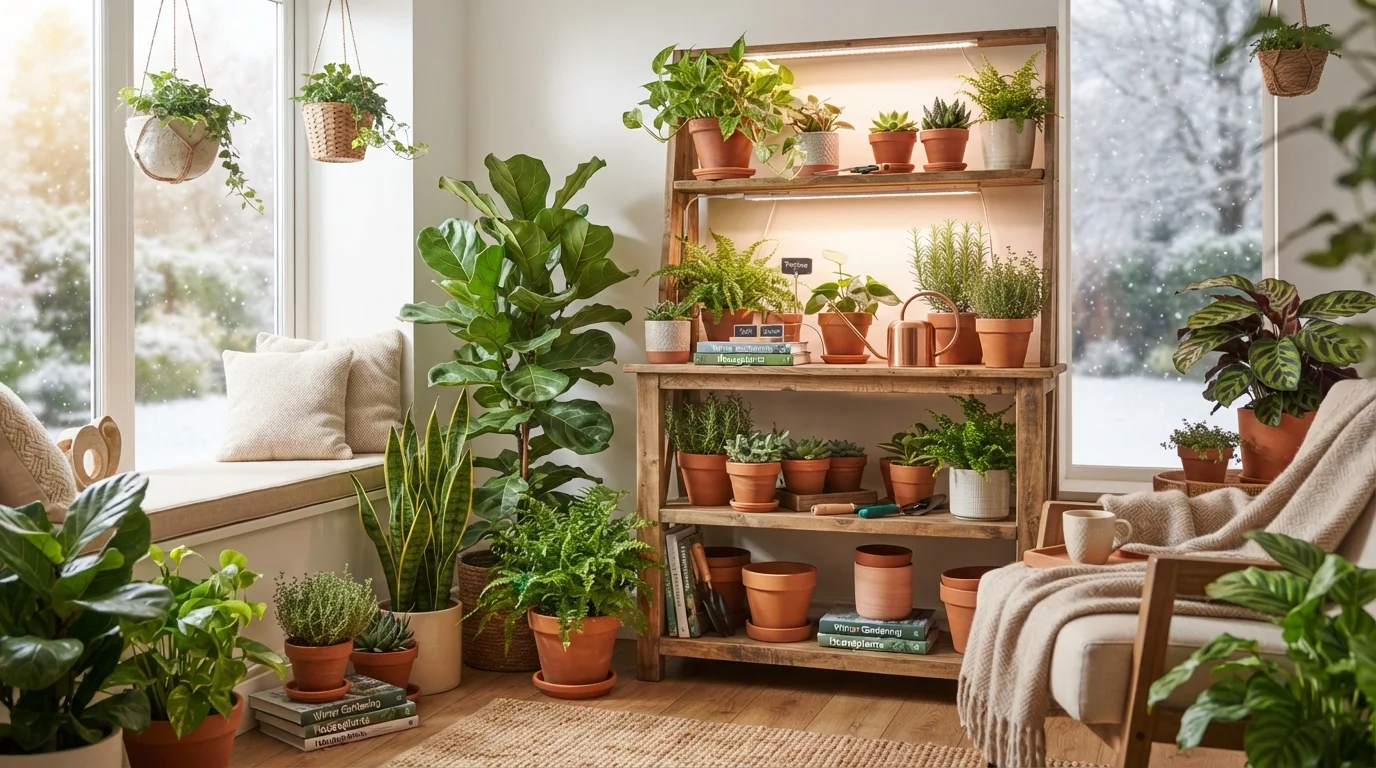
When the temperatures drop and the snow piles up outside, your home doesn’t have to feel like a barren landscape. In fact, winter is the perfect season to create an indoor winter garden that brings life, color, and fresh air into your living space. With a bit of planning and the right choices, you can transform even a small corner into a lush sanctuary. This guide covers everything from plant selection to lighting and humidity, so you can enjoy a thriving garden all season long.
Think of your winter garden design as an extension of your home’s personality. Whether you have a sunny windowsill or a dimly lit room, there are plants and setups that will work for you. The key is to match your environment with the right species and provide consistent care. Let’s walk through the steps to build a beautiful indoor garden that survives — and thrives — through the coldest months.
Choosing the Right Plants for Low Light
Winter days are short, and natural light can be scarce. That’s why it’s smart to focus on indoor plants low light varieties. These plants have evolved to thrive under the canopy of dense forests, meaning they can handle your north-facing window or a spot a few feet away from a window. Some classics include the Snake Plant, Pothos, ZZ Plant, and Philodendron. They’re not only forgiving but also excellent air purifiers.
If you have a south-facing window that gets some winter sun, you can try more light-demanding plants like succulents, cacti, or a Fiddle Leaf Fig. Just remember to rotate them every week so they grow evenly. For deeper research on plant light needs, the comprehensive home garden guide includes a detailed light chart for over 50 popular indoor species.
Supplementing Light with Grow Lights
Even the hardiest indoor plants low light species will benefit from a little extra artificial light during the darkest months. Full-spectrum LED grow lights are the most efficient and mimic natural sunlight without generating too much heat. Place them 6 to 12 inches above your plants and run them for 10 to 14 hours a day.
A timer is your best friend here. Set it to turn on in the morning and turn off at night, creating a consistent day-night cycle. This routine prevents your plants from getting confused and helps them keep growing even when the sun hides behind clouds for weeks. You don’t need a massive setup — even a single adjustable lamp can make a huge difference for a small tabletop garden.
Managing Humidity During Dry Winter Months
Indoor heating is a blessing, but it turns your home into a desert. Most tropical houseplants need humidity levels between 40% and 60%, while winter air often drops below 30%. Dry air leads to brown leaf tips, curling leaves, and increased pest problems. You can raise humidity without buying a humidifier by using pebble trays, grouping plants together, or placing a shallow dish of water near your heat vents.
If you want a more consistent solution, a small cool-mist humidifier placed near your garden works wonders. Just keep it clean to avoid mold. Another tip: mist your plants in the morning, but don’t overdo it — wet leaves overnight can cause fungal issues. A simple hygrometer costs less than ten dollars and helps you track readings accurately.
Watering and Fertilizing in Winter
Many beginners overwater their indoor winter garden during the cold months. The truth is, most plants grow slower in winter and need less water. Always check the top inch of soil with your finger before watering. If it feels dry, water thoroughly until it drains out the bottom. If it’s still damp, wait a few more days. Overwatering is the number one killer of houseplants in winter.
Fertilizing should also be reduced or paused entirely from November to February. Since growth is naturally slower, extra nutrients can burn the roots. Resume a diluted feeding schedule in early spring. This simple adjustment will prevent yellow leaves and root rot, keeping your garden healthy until the growing season returns.
Designing Your Indoor Garden Layout
Now comes the fun part: arranging everything into a cohesive winter garden design. Think about height, texture, and color. Place taller plants like a Monstera or a Rubber Tree in the background, mid-height plants like Calatheas in the middle, and trailing plants like String of Pearls or Ivy spilling over the edges of shelves or pots. This creates a layered, jungle-like look that feels inviting.
Don’t forget the pots! Choose containers with drainage holes and use saucers to protect your furniture. For a modern vibe, go with ceramic or terracotta in neutral tones. For a bohemian feel, try woven baskets or macrame hangers. If you’re short on floor space, consider vertical shelves or a tiered plant stand. For more inspiration on arranging your rooms, check out our space planning category for layout ideas that maximize every square foot.
Essential Tools and Supplies for Winter Care
Having the right gear makes maintaining your indoor gardening tips much easier. Here’s a quick list of items I recommend every indoor winter gardener keep on hand:
- A moisture meter to avoid guesswork with watering.
- Pruning shears for trimming dead or yellow leaves.
- A small spray bottle for misting and cleaning dust off foliage.
- Insecticidal soap or neem oil for early pest control.
- Plant stakes or moss poles for climbing varieties.
These tools are inexpensive and will extend the life of your plants significantly. You can also refer to our home design category for tips on integrating these supplies into your decor without clutter.
Common Winter Pests and How to Handle Them
Even with the best care, pests like spider mites, fungus gnats, and mealybugs can appear in winter. They thrive in warm, dry indoor conditions. Inspect your plants weekly — especially the undersides of leaves. Catching an infestation early makes treatment much simpler. A simple wipe with a damp cloth or a spray of diluted neem oil usually does the trick.
For fungus gnats, let the soil dry out more between waterings and place yellow sticky traps near the base. If you see webbing or tiny moving dots, act quickly. Quarantine any infected plant for two weeks to protect the rest of your garden. Consistency is everything: check your greens every time you water, and you’ll stay ahead of trouble.
Seasonal Transition: Moving Plants Back Outside
As winter fades and spring approaches, your indoor winter garden will start showing signs of new growth. This is the moment to begin transitioning your plants back outdoors if you plan to move them. Wait until nighttime temperatures stay consistently above 50°F (10°C). Slowly acclimate them over a week by moving them to a shaded porch or patio for a few hours each day.
Increase watering and resume fertilizing once you see fresh leaves. This gradual process prevents shock and sunburn. Many gardeners also use this time to repot plants that have outgrown their containers. For more detailed seasonal tips, our blog section has step-by-step guides on transitioning plants between seasons.
Frequently Asked Questions
Can I grow vegetables in an indoor winter garden?
Yes, you can grow leafy greens like lettuce, spinach, and herbs such as basil and mint indoors during winter. They need strong grow lights (12–16 hours daily) and consistent warmth. Microgreens are especially easy and quick to harvest.
How often should I water indoor plants in winter?
Most plants need watering every 7 to 14 days in winter, depending on the species and your home’s temperature. Always check the soil moisture first. Succulents may need water only once a month.
Do I need to clean my plants’ leaves in winter?
Yes. Dust blocks light absorption, which is already limited in winter. Wipe large leaves with a damp cloth every two to three weeks. For small fuzzy leaves, use a soft brush or a gentle spray in the sink.
Can I use regular LED bulbs instead of grow lights?
Regular LED bulbs can support some low-light plants if placed very close (within 6 inches). However, full-spectrum grow lights emit the specific red and blue wavelengths plants need for photosynthesis, so they work much better for healthy growth.
What is the easiest plant for a beginner winter garden?
The Snake Plant (Sansevieria) is almost indestructible. It tolerates low light, irregular watering, and dry air. Pothos and ZZ Plant are also excellent choices for beginners.
Should I fertilize my indoor plants in December?
No. Most plants enter a dormant or slow-growth phase in winter. Fertilizing now can burn the roots and cause leaf drop. Wait until early spring (March) to start feeding again.
How do I increase humidity without a humidifier?
Group plants together so they create a microclimate. Place pots on trays filled with pebbles and a little water (without the pot touching the water). You can also hang damp towels near radiators to add moisture to the air.
Can I put my indoor winter garden in a bathroom?
Absolutely. Bathrooms with windows offer higher humidity and warmth, which many tropical plants adore. Ferns, orchids, and peace lilies thrive in these conditions. Just ensure the room gets enough natural or artificial light.
Conclusion
Creating an indoor winter garden is one of the most rewarding ways to beat the seasonal blues and keep your connection to nature alive all year round. By choosing the right plants, managing light and humidity, and adapting your care routine, you can build a green oasis that feels alive even on the grayest days. Start small, observe your plants, and adjust as you go. For more ideas on enhancing your living space, browse our garden design category — you’ll find plenty of inspiration to take your indoor garden to the next level. Happy growing!