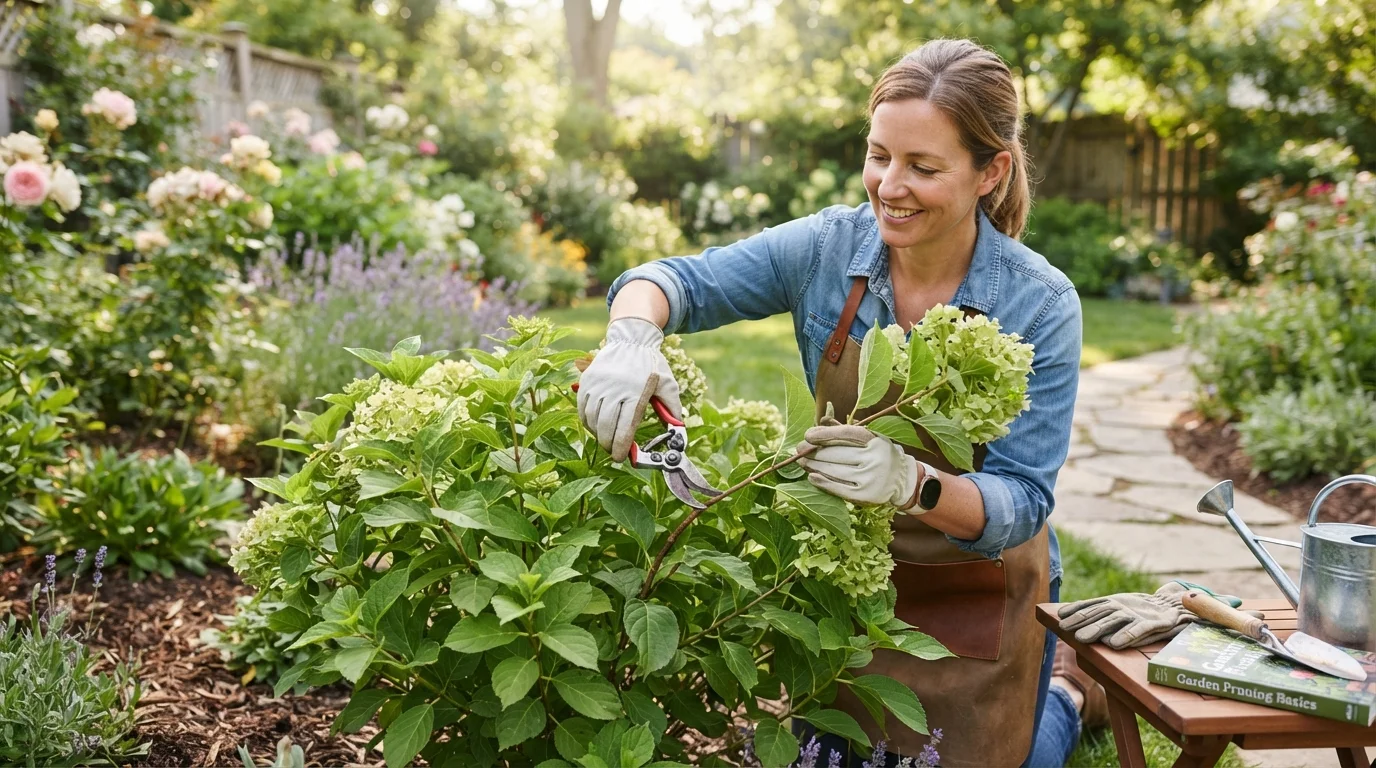
Let’s be honest: standing in front of a bush with a pair of shears can feel intimidating. One wrong snip and you worry you’ve ruined months of growth. But here’s the truth — pruning isn’t a mystery. It’s a skill you can learn, and once you do, your garden will thank you with stronger stems, more flowers, and better shape.
Whether you’re a total beginner or a seasoned gardener who needs a refresher, this pruning guide will walk you through everything. We’ll cover the tools, the timing, the techniques, and the most common pruning mistakes so you can trim with total confidence. Let’s get started.
Why Pruning Matters More Than You Think
Think of pruning as a health checkup for your plants. When done right, it removes dead or diseased wood, improves air circulation, and encourages new growth. It also shapes the plant so it fits beautifully into your overall garden design.
Without regular pruning, plants become leggy, overcrowded, and more prone to pests. A simple 15-minute trim session each season can make the difference between a plant that barely survives and one that thrives.
For a deeper look at how pruning fits into the bigger picture of your outdoor space, check out our resources on outdoor living ideas — your garden is an extension of your home, after all.
The Right Tools for Every Cut
Using the wrong tool is one of the most common pruning mistakes. Dull blades tear stems instead of cutting cleanly, which invites disease. Here’s what every home gardener needs in their toolkit:
- Hand pruners — perfect for stems up to ½ inch thick. Look for bypass pruners (they make a cleaner cut than anvil style).
- Loppers — long handles give you leverage for branches up to 1½ inches thick.
- Pruning saw — for thicker, woody limbs. A folding saw is easy to store and handle.
- Hedge shears — ideal for shaping hedges and evergreen shrubs, but avoid using them on individual stems.
- Gloves and disinfectant — always clean your blades between plants to prevent spreading disease.
Keep your tools sharp and oiled. A clean cut heals faster and looks better. Trust me, your how to prune plants experience will improve instantly once you upgrade your gear.
When to Prune: A Season-by-Season Overview
Timing is critical. Prune at the wrong time and you might cut off next year’s flower buds or stress the plant during a vulnerable period.
| Season | What to Prune | What to Avoid |
|---|---|---|
| Early Spring | Summer-blooming shrubs (butterfly bush, hydrangea), fruit trees, roses | Spring-blooming shrubs (lilac, forsythia) — you’ll remove the buds |
| Late Spring / Early Summer | Light shaping after flowering for spring bloomers | Heavy pruning during heat waves |
| Late Summer / Fall | Dead or damaged wood, spent perennials | Major shaping — new growth won’t harden before frost |
| Winter (Dormant Season) | Deciduous trees, most shrubs (except spring bloomers) | Evergreens in freezing weather |
This table is a quick cheat sheet. Bookmark it and refer back whenever you’re unsure. Consistent garden maintenance starts with knowing your calendar.
Pruning Techniques That Never Fail
Now that you have the tools and the timing, let’s talk technique. There are three main cuts you’ll use most often:
1. Thinning cuts. Remove an entire branch at its point of origin (the trunk or main stem). This opens up the plant’s interior, letting light and air reach every part. Use this when you want to reduce density without changing the plant’s natural shape.
2. Heading cuts. Cut a branch back to a bud. This encourages bushier growth from that point. It’s great for shaping hedges or encouraging more flowers on shrubs like roses. Just be careful not to overdo it — too many heading cuts can make a plant look unnatural.
3. Rejuvenation pruning. This is the heavy stuff. Cut the whole plant back to about 6–12 inches from the ground. It sounds brutal, but many shrubs (like spirea and hydrangea) respond by shooting up vigorous, healthy stems. Do this only in early spring, and only on plants that tolerate it.
Always cut at a 45-degree angle, about ¼ inch above an outward-facing bud. That way, water runs off the cut and new growth heads outward, not inward.
Common Pruning Mistakes (And How to Avoid Them)
Even experienced gardeners make errors. The good news? Most are easy to fix once you know what to look for.
Topping trees. Cutting the top off a tree creates weak, ugly regrowth and stresses the tree. Never top. Instead, use thinning cuts to reduce height gradually.
Stub cuts. Leaving a long stub (more than ½ inch above a bud) invites rot. Always cut close to the bud or branch collar.
Over-pruning. Removing more than 25–30% of a plant in one season shocks it. Spread major pruning over two or three years for mature shrubs.
Pruning at the wrong time. I can’t stress this enough — you can lose an entire season of blooms. Double-check your plant species before you snip.
Using dirty tools. This spreads bacteria and fungi between plants. Wipe blades with rubbing alcohol between cuts if you’re working on different species.
For more plant care tips and how to keep your garden thriving year-round, visit our blog for actionable advice from experts.
Pruning Specific Plants: Shrubs, Trees, and Perennials
Different plants have different needs. Here’s a quick guide on how to prune plants from three major categories:
Shrubs (deciduous). Remove the three D’s first: dead, damaged, and diseased wood. Then thin out crossing branches. For spring bloomers like lilac, prune right after flowers fade. For summer bloomers like butterfly bush, prune in early spring.
Trees. Focus on structural pruning in the first few years. Remove co-dominant leaders (two main trunks) and low-hanging branches. Mature trees mostly need deadwood removal and light thinning. Never prune oak trees in spring or summer — it attracts beetles that spread oak wilt.
Perennials. Cut back foliage in late fall or early spring. Some perennials (like lavender and salvia) benefit from light shaping after their first bloom to encourage a second flush of flowers.
Remember, shrub trimming is not the same as tree pruning. Adjust your technique based on the plant’s growth habit, not just its size.
Why You Should Prune for Health, Not Just Looks
Pruning isn’t only about making your garden pretty — it’s about making it healthy. Good pruning practices prevent disease by improving airflow. They also direct energy toward strong branches instead of weak, spindly ones.
If you want to dive deeper into creating a garden that works with nature (and without guesswork), I recommend checking out a comprehensive resource like The Home Garden Course — it covers pruning alongside soil health, planting schedules, and pest control. A solid reference for anyone serious about garden maintenance.
Another great resource for refining your overall approach is this step-by-step gardening system, which walks you through everything from layout to long-term care.
Frequently Asked Questions
1. Will pruning kill my plant?
Rarely. Healthy plants tolerate pruning well. Over-pruning or cutting at the wrong time can stress them, but it takes a lot to actually kill a mature plant. Start slow and observe.
2. What’s the best month to prune most shrubs?
For summer bloomers: early spring (March or April). For spring bloomers: right after they finish flowering (late spring). For evergreens: late winter or early spring before new growth starts.
3. Should I seal pruning cuts with paint or tar?
No. Most modern research shows that trees heal better without sealants. Simply make a clean cut and let nature do the rest.
4. Can I prune in the rain?
It’s best to avoid it. Wet conditions spread fungal diseases more easily. Wait for a dry day.
5. How do I know if a branch is dead?
Scratch the bark with your thumbnail. If you see green underneath, it’s alive. If it’s brown and dry, it’s dead. Also, dead branches are often brittle and snap easily.
6. Is it okay to prune during a heatwave?
Avoid it. Pruning exposes new tissue to sun and heat stress. Wait for cooler weather or early morning hours if you must.
7. What’s the difference between pruning and trimming?
Pruning focuses on plant health — removing dead, diseased, or crossing branches. Trimming is typically about shaping or tidying up hedges and topiaries. Both are important.
8. Do I really need to disinfect my tools?
Yes, especially if you’re pruning plants that had disease symptoms. A quick wipe with alcohol or a bleach solution between plants is worth the extra 10 seconds.
Conclusion
Pruning doesn’t have to be scary. With the right tools, a little timing knowledge, and a few basic techniques, you can shape your garden like a pro. Start small — prune one shrub correctly this weekend and watch how it responds. Every snip teaches you something.
Remember, good plant care tips are built on observation and patience. Your plants will tell you what they need. All you have to do is listen — and cut with confidence.
Want more ideas on how to integrate pruning into your broader outdoor vision? Explore our home design and space planning categories to see how indoor and outdoor spaces can work together harmoniously.