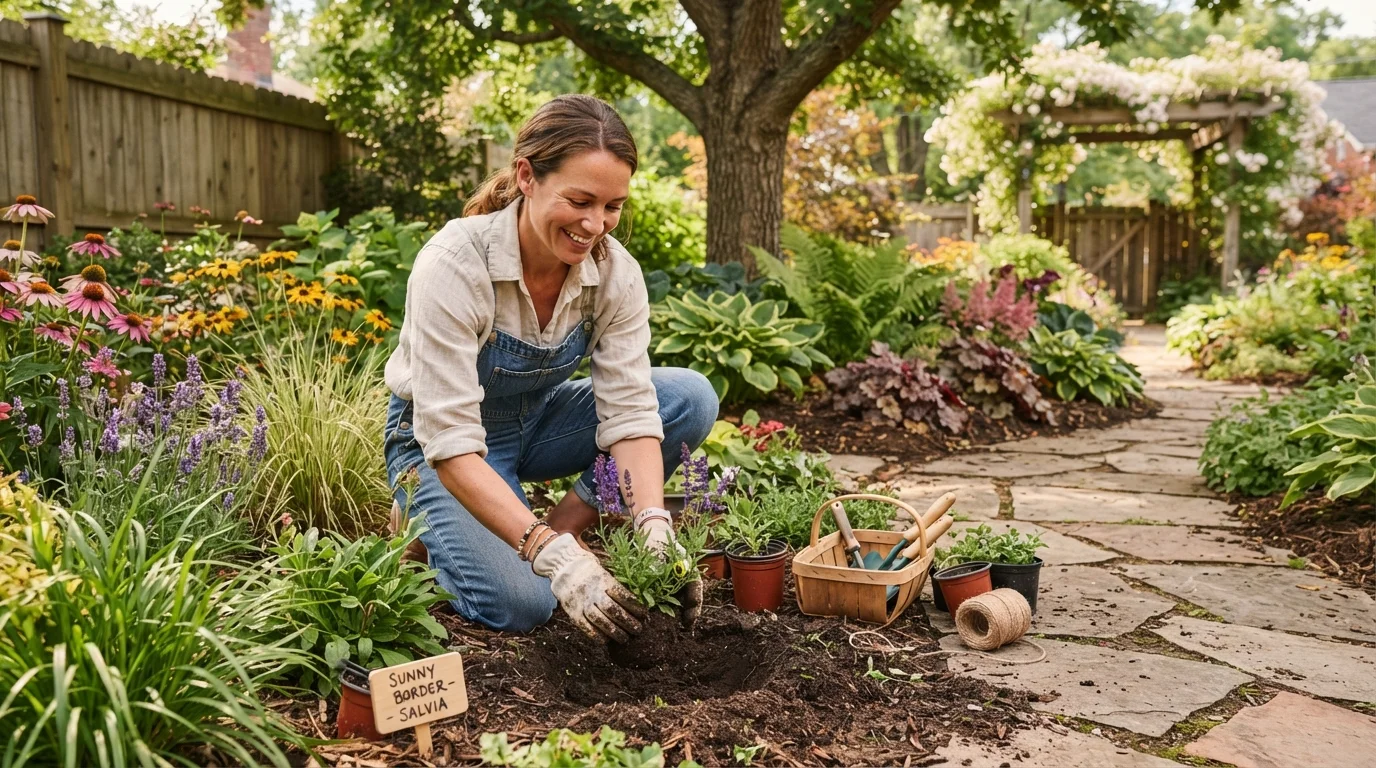
Your yard isn’t one uniform space. It’s a collection of microclimates, each with its own light levels, soil moisture, and wind exposure. The secret to a gorgeous, low-maintenance landscape? Learning how to choose the right plants for every corner of your yard. When you match a plant to its spot, it thrives with less water, fewer pests, and almost no fertilizer. Let’s break down how to do it, corner by corner.
Why Matching Plants to Their Spot Matters
Think of your garden as a puzzle. A sun-loving lavender dropped into a damp, shady corner will sulk and rot. A fern planted in full, scorching sun will crisp up within weeks. That’s why professional garden design tips always start with site analysis before shopping. You save money, time, and heartache.
Plus, the right plant in the right place builds resilience against pests and diseases. A stressed plant is a magnet for aphids and mildew. A happy, well-matched plant? It practically takes care of itself.
Corner 1: Full Sun – The Hot, Dry Zones
These are areas that get at least six hours of direct sunlight daily. Think south-facing borders, driveways, and spots next to patios. They heat up fast and dry out quickly. You need plants that love the heat.
Top picks for full sun:
- Lavender (drought-tolerant and fragrant)
- Russian sage (tough, airy, and long-blooming)
- Sedum ‘Autumn Joy’ (succulent leaves that love lean soil)
- Echinacea (coneflower) – a pollinator magnet
- Ornamental grasses like ‘Karl Foerster’ feather reed grass
These plants don’t just tolerate full sun; they crave it. Water them deeply once a week until established, then let them fend for themselves. For more inspiration on structuring these hot zones, check out our guide on outdoor living spaces that blend hardscape with heat-loving perennials.
Corner 2: Partial Shade – The Tricky Middle Ground
Partial shade gets about three to six hours of sun, usually in the morning or late afternoon. The rest of the day is dappled or filtered light. This is common under tall trees or on east-facing sides of the house.
Many plants thrive here, but the key is timing. You want plants that enjoy morning sun (which is gentler) and protection from harsh afternoon rays.
Excellent options for partial shade:
- Heuchera (coral bells) – colorful foliage that glows in low light
- Astilbe – feathery plumes in pink, red, or white
- Bleeding heart (Dicentra) – romantic, arching stems
- Japanese forest grass (Hakonechloa) – cascading golden blades
- Foxglove (Digitalis) – tall spires for vertical interest
Remember to amend the soil with compost in these areas. Tree roots can steal moisture and nutrients, so a little extra organic matter goes a long way.
Corner 3: Deep Shade – The No-Sun Challenge
Deep shade gets less than three hours of direct sun per day. Think north-facing walls, dense evergreen canopies, or narrow side yards. But don’t assume nothing will grow. Many beautiful plants love the dark.
| Plant Name | Light Tolerance | Bloom Color | Height |
|---|---|---|---|
| Hosta | Deep shade | White, lavender | 12–36 inches |
| Japanese painted fern | Full shade | Non-flowering foliage | 12–18 inches |
| Tiarella (foamflower) | Partial to deep shade | White, pink | 8–15 inches |
| Lamium (dead nettle) | Deep shade | Pink, purple | 6–12 inches |
| Pulmonaria (lungwort) | Deep shade | Blue, pink, white | 10–12 inches |
Shade gardens feel lush and calm. Add texture by mixing broad hosta leaves with delicate ferns and groundcovers like Lamium. For overall space planning advice, think about creating winding paths so you can actually enjoy these cooler retreats.
Corner 4: Wet or Boggy Areas – Drainage Nightmares
Does your yard have a low spot where water pools after rain? Don’t fight it. Embrace it with plants that love wet feet. Trying to grow regular perennials there will lead to root rot.
Wet-soil superstars:
- Iris versicolor (blue flag iris)
- Marsh marigold (Caltha palustris)
- Cardinal flower (Lobelia cardinalis) – attracts hummingbirds
- Swamp milkweed (Asclepias incarnata) – monarch butterfly host
- Willow shrubs (Salix) – fast-growing and moisture-loving
If the area stays wet year-round, consider turning it into a rain garden. It will capture runoff, filter pollutants, and become a stunning focal point. According to gardening expert resources like this comprehensive home and garden guide, rain gardens can reduce local flooding risks while adding curb appeal.
Corner 5: Dry, Sandy or Rocky Slopes
Slopes are tricky. Water runs off before it can soak in. Sandy or rocky soil dries out fast. The answer is deep-rooted, drought-tolerant plants that stabilize the soil.
Perfect for slopes:
- Creeping juniper (Juniperus horizontalis) – evergreen groundcover
- Yarrow (Achillea) – flat-topped blooms in many colors
- Blue fescue grass (Festuca glauca) – compact blue mounds
- Ice plant (Delosperma) – bright daisies on succulent foliage
- Cotoneaster – low-growing shrub with red berries
Pro tip: plant on a cloudy day or right before rain. Add a layer of shredded bark mulch to slow evaporation and prevent erosion. You can also learn more about arranging these tough zones by visiting our blog for seasonal maintenance checklists.
Corner 6: Windy Exposed Areas
Wind dries out leaves, breaks stems, and can even uproot young plants. If you live in a breezy open area, you need plants that are flexible or have tough, leathery foliage.
Choose plants with narrow leaves (like grasses) or waxy coatings (like sea holly). Avoid large, soft-leaved plants like cannas or hibiscus in these spots.
Wind-resistant picks:
- Switchgrass (Panicum virgatum) – graceful and sturdy
- Sea holly (Eryngium) – steel-blue thistles
- Russian sage – again, it’s a powerhouse
- Lavender – low-growing and aromatic
- Oakleaf hydrangea – large leaves but surprisingly wind-tolerant
If the wind is relentless, consider installing a windbreak hedge first. Evergreens like arborvitae or juniper are great natural barriers. For more layout strategies, explore our home design tips that integrate outdoor rooms with protective plantings.
Frequently Asked Questions
1. How do I test my soil before choosing plants?
Simple DIY tests exist. Check drainage by digging a hole, filling it with water, and timing how long it takes to drain. For pH, buy a cheap soil test kit at any garden center. Most vegetables like neutral pH (6.0–7.0), while blueberries need acidic soil (4.5–5.5).
2. Can I plant sun-loving plants in shade if I water more?
No. Light is not replaceable by water. Sun plants need light for photosynthesis. In deep shade, they’ll become leggy, stop blooming, and eventually die. Always match the light requirement first.
3. What are the best low-maintenance plants for beginners?
Start with native plants. They’re adapted to your local climate and pests. Good universal beginners: daylilies, hostas, sedum, yarrow, and ornamental grasses. They forgive almost any mistake.
4. How close should I space plants in my yard?
Check the mature width on the plant tag. Don’t overcrowd. A common mistake is planting too close for instant fullness. In two years, they’ll choke each other. Leave room for air circulation.
5. What if I have a corner that’s both wet and shady?
That’s a niche! Great choices include hostas, ferns (especially ostrich fern), cardinal flower, and turtlehead (Chelone). These plants love consistently moist soil and low light.
6. Should I use mulch around new plants?
Absolutely. Mulch keeps soil cool, retains moisture, and suppresses weeds. Use 2–3 inches of organic mulch like shredded bark or pine straw. Keep it off the plant stems to prevent rot.
7. How do I know if a plant is invasive in my area?
Check with your local extension office or use the USDA PLANTS Database. Avoid planting English ivy, bamboo, and purple loosestrife unless you are prepared to contain them aggressively.
8. Can I mix edibles with ornamentals?
Yes, it’s called “foodscaping.” Kale, Swiss chard, and peppers are beautiful and productive. Just ensure they get enough sun (6+ hours) and well-draining soil. Herbs like rosemary and thyme are naturally ornamental and edible.
Conclusion
Your yard is full of potential—each corner just needs the right match. By learning to choose the right plants for every corner of your yard, you create a landscape that works with nature, not against it. Start with a simple sun map. Walk your property at different hours. Observe where water collects and where wind howls. Then pick plants that love those exact conditions. You’ll save water, reduce work, and enjoy a garden that looks like it was designed by a pro—because now you are one.