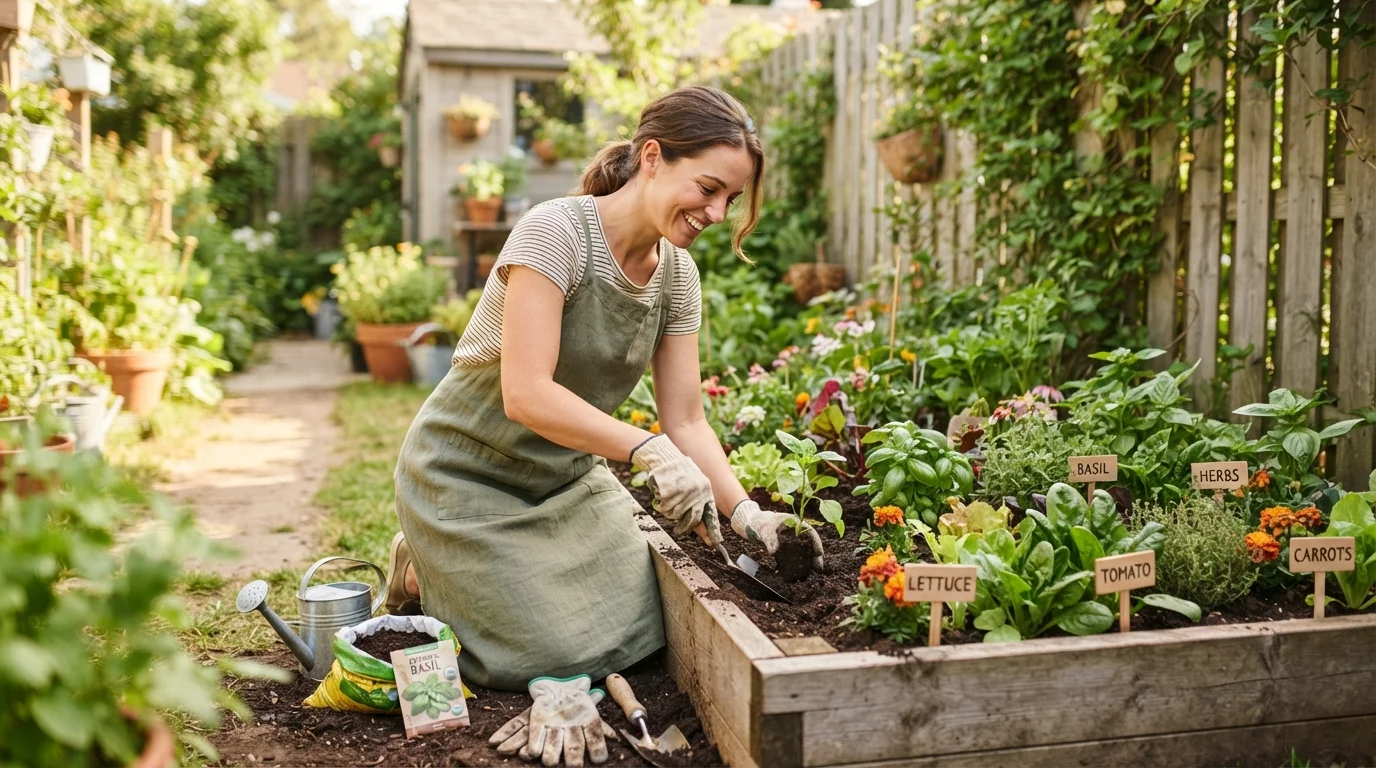
Starting a garden is one of the most rewarding things you can do for your home and your well-being. But let’s be honest — it can also feel overwhelming. You buy plants, dig holes, water everything, and then watch things slowly (or quickly) go wrong. If you’ve ever muttered, “Nobody told me it would be this hard,” you’re not alone.
The good news? Most beginner gardening mistakes are completely avoidable. Experienced gardeners just know a few simple truths that newbies haven’t learned yet. This article rounds up the five things every beginner gardener wishes they knew before starting — so you can skip the frustration and grow a beautiful, low-maintenance garden from day one.
1. Start With Simple Plants (Not the Pretty Ones)
It’s tempting to grab that gorgeous rose bush or expensive orchid on your first trip to the nursery. Resist the urge. Those high-maintenance beauties are for people who already know their soil, their sun patterns, and their watering rhythm.
Every beginner gardener learns this the hard way — after spending $60 on something that dies in two weeks. Instead, start with resilient plants like marigolds, zinnias, basil, or succulents. These forgiving varieties will reward you even if you forget to water them once or twice.
Once you’ve built confidence with easy plants for beginners, then you can experiment with the divas of the plant world. That’s when gardening becomes fun, not stressful.
2. Soil Is Everything — Test It Before You Plant
Most new gardeners focus on sunlight and water. But the biggest secret pros know? It’s all about the soil. Poor soil is the number one reason plants fail, even when you do everything else right.
Before you put a single seed in the ground, get a simple soil test kit. It will tell you if your dirt is too acidic, too alkaline, or lacking nutrients. You might discover you need to add compost, lime, or sand to create the perfect environment. Good garden soil preparation saves you months of disappointment.
If you’re working on a larger outdoor space, it helps to think about the overall layout first. Check out some practical ideas in our outdoor living category to see how soil and design go hand in hand.
3. Water Deeply, Not Frequently
Here’s a shocker for most beginners: watering a little bit every day is the worst thing you can do. Shallow watering encourages roots to stay near the surface, making plants weak and dependent on you.
Instead, water deeply two or three times a week. Let the water soak down at least six inches. This forces roots to grow deep, which makes your plants stronger and more drought-tolerant. Your garden will actually need less water over time.
Many beginner gardening mistakes come from over-love. You wouldn’t sip water all day long — neither do your plants. They prefer a big glass of water followed by a dry spell.
4. Location Matters More Than You Think
You can’t just plant things anywhere and hope for the best. Every plant has a “happy place” in your yard. Some love full sun (6+ hours a day). Others prefer dappled shade or morning sun only.
Beginners often ignore the sunlight patterns of their garden. They plant sun-loving tomatoes in a shady corner, then wonder why the fruit is tiny and pale. Walk outside every two hours for one day and note where the sun hits. That simple map will guide every decision you make.
For more insight on arranging your outdoor space efficiently, take a look at our space planning category — it’s full of diagrams and tips for maximizing every square foot of your yard.
5. Mulch Is Your Best Friend
If I could give every novice one piece of advice, it would be this: use mulch. A 2- to 3-inch layer of organic mulch (like bark chips, straw, or shredded leaves) does three critical things.
- Reduces watering needs: Mulch keeps soil cool and slows evaporation.
- Blocks weeds: Fewer weeds mean less time on your knees pulling.
- Improves soil: As it breaks down, mulch feeds the earth beneath it.
Without mulch, you’ll be watering constantly and fighting weeds all summer. With it, your garden practically takes care of itself. It’s the secret to a low-maintenance garden design that still looks polished.
Here’s a quick comparison that every beginner gardener wishes they knew before starting:
| With Mulch | Without Mulch |
|---|---|
| Water 2x per week | Water daily |
| Few weeds | Constant weeding |
| Steady soil temperature | Soil heats up and dries out fast |
| Healthier root growth | Shallow, stressed roots |
Want more design ideas that save you time and effort? Visit our garden design category for layouts and plant combinations that make mulching a natural part of your plan.
FAQ
What is the easiest plant for a beginner to grow?
Marigolds, zinnias, basil, and sunflowers are famously easy. They germinate quickly, tolerate imperfect care, and reward you with fast results.
How often should I water a new garden?
For the first two weeks, water every other day to help roots establish. After that, switch to deep watering twice a week. Adjust based on rain and soil type.
Do I really need to test my soil?
Yes. Testing prevents wasted time and money. It tells you exactly what your soil is missing — and what it already has too much of. Most garden centers sell simple kits for under $15.
Can I start a garden in containers instead of the ground?
Absolutely. Container gardening is perfect for beginners. You control the soil quality, drainage, and placement. Just make sure your pots have drainage holes.
What is the biggest mistake new gardeners make?
Overwatering is the most common. Many beginners kill their plants with kindness. Remember: most plants prefer to dry out between waterings.
When is the best time of year to start gardening?
Spring, after the last frost, is ideal for most regions. But you can start a fall vegetable garden too. Check your local frost dates online.
How can I make my garden look professional without spending a lot?
Stick to a simple color palette, use mulch everywhere, and group plants with similar water needs together. Consistency alone makes a garden look intentionally designed.
Should I use fertilizer on my new plants?
Only if your soil test says so. Many beginners add too much fertilizer, which burns roots. Compost is a safer, more balanced option for most home gardens.
Conclusion
Gardening is a journey, not a race. The five things every beginner gardener wishes they knew before starting — choosing easy plants, testing soil, watering deeply, watching the sun, and using mulch — are simple shifts that make a huge difference.
Mistakes will still happen. That’s part of the fun. But now you have a roadmap that keeps you from making the most painful ones. Start small, stay curious, and remember: every expert gardener was once a beginner too.
For reference, one of the most comprehensive resources I’ve found on low-stress home gardening comes from a trusted home and garden guide that covers everything from layout to plant care. Bookmark it for those moments when you need quick, actionable advice.
Happy growing — and don’t forget the mulch!