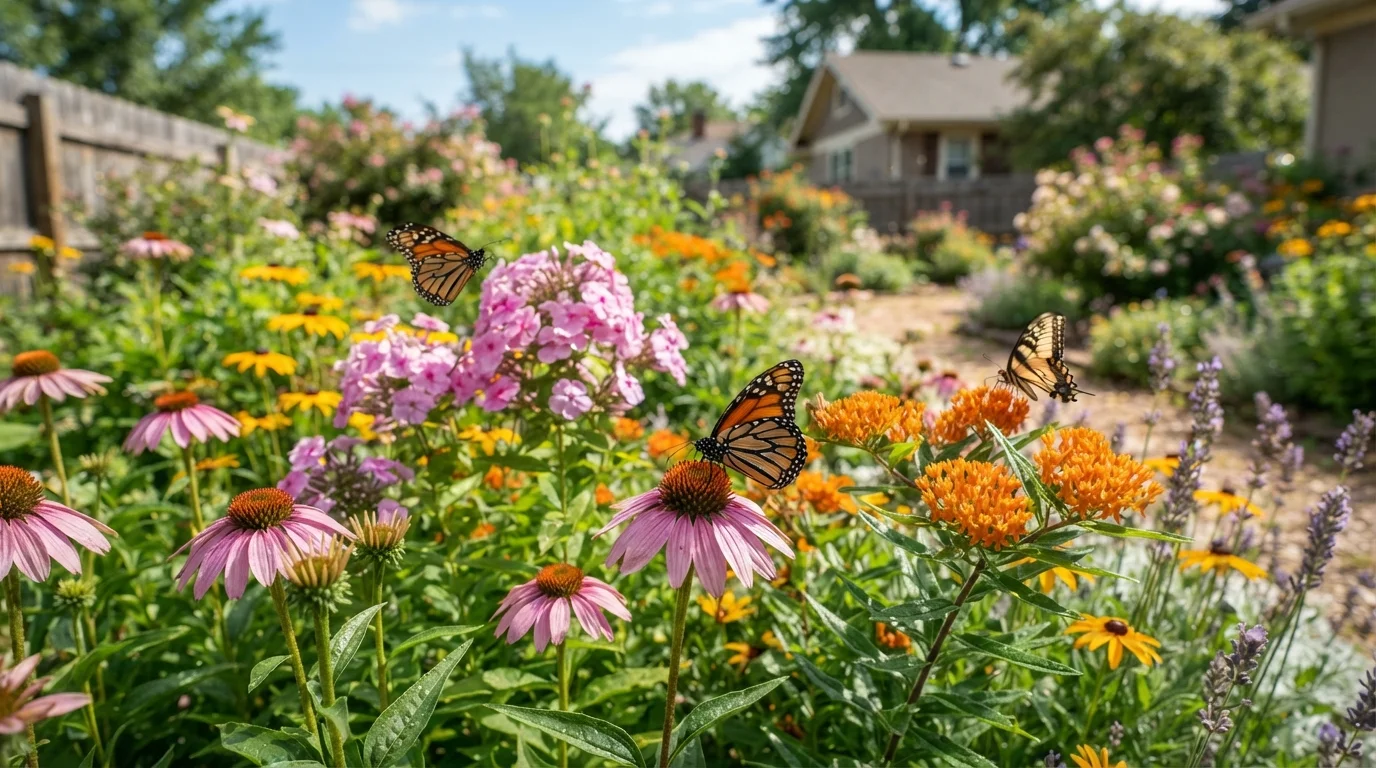
There’s something magical about watching butterflies float through your backyard. These delicate pollinators aren’t just beautiful to observe — they’re essential for a healthy ecosystem. The secret to inviting them in is simple: plant the right flowers.
But not every bloom will do the job. Butterflies are picky eaters. They look for specific colors, shapes, and nectar sources. In this guide, I’ll share the best flowering plants to attract butterflies to your garden, along with practical tips to turn your outdoor space into a lively, colorful habitat.
Whether you’re starting from scratch or upgrading an existing bed, this article covers everything from sun-loving perennials to fragrant annuals. Let’s dig in.
Why Choose Native Plants for a Butterfly Garden
Native plants are the backbone of any successful butterfly garden. They’ve evolved alongside local butterfly species, which means the nectar and foliage are perfectly matched to their needs. A plant like milkweed, for instance, is the only host plant for monarch caterpillars.
Non-native ornamentals can look pretty, but they often lack the nutritional value butterflies require. When you choose native species, you also support bees, birds, and other beneficial insects. That’s a win for your entire backyard ecosystem.
If you’re planning a new layout, check out our garden design ideas to see how native plants fit into different styles and spaces.
Top Perennials That Keep Butterflies Coming Back
Perennials are the workhorses of a butterfly garden. They return year after year, building a reliable food source for both adult butterflies and caterpillars. Here are my top picks:
Purple Coneflower (Echinacea purpurea)
This prairie classic is a butterfly magnet. Its large, daisy-like blooms provide a wide landing pad, and the nectar is deep and sweet. Plus, the seed heads feed birds in winter.
Butterfly Weed (Asclepias tuberosa)
Don’t let the name fool you — this is a milkweed, not a weed. Its bright orange clusters attract monarchs, swallowtails, and fritillaries. It also serves as a host plant for monarch larvae. Plant it in full sun for best results.
Black-eyed Susan (Rudbeckia hirta)
These cheerful yellow flowers bloom from midsummer to fall. They’re drought-tolerant, easy to grow, and beloved by skippers and painted ladies. Group them in drifts for maximum visual impact.
If you’re working with a smaller yard, read our guide on space planning for small gardens to fit these perennials into tight corners or containers.
Annuals That Provide Continuous Blooms
Annuals bloom all season long, making them perfect for filling gaps in your butterfly garden. They’re also great for containers and window boxes near seating areas.
- Zinnia: Easy from seed, comes in every color, and butterflies can’t resist the flat, open faces.
- Lantana: A heat-loving stunner that produces clusters of small, nectar-rich flowers. Monarchs and swallowtails flock to it.
- Verbena bonariensis: Tall, airy stems with purple umbels. It adds height without blocking lower plants and blooms from spring to frost.
- Cosmos: Delicate, daisy-like flowers that sway in the breeze. They self-sow, so you’ll get more plants each year.
Mix these with your perennials to create a season-long buffet. Butterflies will visit from early spring until the first hard frost.
Creating a Butterfly-Friendly Layout
Plant selection is just one piece of the puzzle. How you arrange your plants matters just as much for attracting butterflies. Start by choosing a sunny spot — butterflies are cold-blooded and need warm sunlight to fly.
Group the same species in clumps of at least three to five plants. Butterflies have poor eyesight and are drawn to large color patches. A single zinnia might go unnoticed, but a drift of ten will stop them mid-flight.
Include flat stones or patches of bare soil for basking. A shallow dish with wet sand or mud (called a “puddling station”) provides essential minerals. Place it near your flowers but away from windy areas.
For more ideas on making your outdoor space functional and beautiful, explore our outdoor living inspiration.
The Best Plants by Bloom Season
To support butterflies from spring to fall, you need a succession of blooms. Here’s a handy table showing which top picks flower when:
| Plant Name | Bloom Season | Sun Requirement | Butterflies Attracted |
|---|---|---|---|
| Milkweed (Asclepias) | Late spring – summer | Full sun | Monarchs, Queens |
| Purple Coneflower | Midsummer – fall | Full sun to part shade | Swallowtails, Painted Ladies |
| Black-eyed Susan | Midsummer – fall | Full sun | Skippers, Fritillaries |
| Lantana | Spring – frost | Full sun | Monarchs, Gulf Fritillaries |
| Zinnia | Summer – frost | Full sun | Swallowtails, Sulphurs |
Use this table as your planting calendar. Aim for at least two plants blooming in each season to keep the butterflies well-fed.
Host Plants for Caterpillars
A true butterfly garden doesn’t just feed adults — it raises the next generation. Host plants are where female butterflies lay their eggs, and where caterpillars feed after hatching. Without them, you’ll only ever see butterflies passing through.
For monarchs, plant milkweed. For black swallowtails, try parsley, dill, or fennel. Eastern tiger swallowtails love tulip poplar and wild cherry. Even a small patch of fennel in a vegetable bed can host swallowtail caterpillars.
Be prepared to see some chewed leaves. That’s a good sign! It means your garden is functioning as a true habitat. If you’re interested in how this fits into broader home design, take a look at our home design features for integrating nature with architecture.
Common Mistakes and How to Avoid Them
Even experienced gardeners make errors when trying to attract butterflies. Here are the most common pitfalls:
- Using pesticides: Even “organic” sprays can harm caterpillars and adult butterflies. Stick to manual pest control or insecticidal soap applied only at dusk.
- Planting only double blooms: Double-flowered varieties (like some marigolds) have so many petals that butterflies can’t reach the nectar. Stick with single or semi-double forms.
- Ignoring water needs: A birdbath or shallow dish with stones gives butterflies a safe drinking spot. Change the water every few days to prevent mosquitoes.
- Skimping on sunlight: Most nectar-rich flowers need at least six hours of direct sun per day. Shady spots will attract far fewer butterflies.
For additional guidance on creating wildlife-friendly spaces, the Home & Garden Resource Center offers expert tips on sustainable landscaping techniques that complement your butterfly garden efforts.
Frequently Asked Questions
What is the single best plant to attract butterflies?
Milkweed (Asclepias) is arguably the most important because it serves both as a nectar source for adults and as the only host plant for monarch caterpillars. If you plant just one species, make it milkweed.
Should I buy plants or grow from seed?
Both work well. Seeds are cheaper and offer more variety, but require patience. Nursery plants give you an instant start. For beginners, I recommend a mix: buy a few perennials and sow easy annuals like zinnia and cosmos from seed.
How long does it take for butterflies to find a new garden?
It can happen within hours if you plant bright, nectar-rich flowers in a sunny spot. But building a consistent population takes a full growing season. Be patient and avoid using chemical sprays.
Can I attract butterflies in a shady yard?
It’s harder, but not impossible. Focus on part-shade plants like bee balm, cardinal flower, and turtlehead. You’ll see fewer butterflies than in full sun, but native woodland species may still visit.
Do butterflies prefer certain flower colors?
Yes. They are especially drawn to bright pink, purple, orange, and yellow flowers. Red also attracts some species. Butterflies see ultraviolet light, so blooms with UV patterns (like black-eyed Susans) are very appealing.
Is it safe to use butterfly feeders instead of plants?
Feeders can supplement natural nectar, but they are not a substitute for real flowers. Plant nectar provides better nutrition and supports the entire lifecycle. Use feeders only as a temporary boost during droughts.
How often should I water my butterfly garden?
Water deeply once or twice a week, depending on rainfall and soil type. Most butterfly plants are drought-tolerant once established. Overwatering can lead to root rot and reduce nectar production.
Conclusion
Creating a backyard butterfly habitat is one of the most rewarding projects a gardener can take on. By choosing the best flowering plants to attract butterflies — like milkweed, coneflower, zinnia, and lantana — you’ll bring color, movement, and life to your outdoor space.
Remember to mix perennials and annuals, include host plants for caterpillars, and avoid pesticides at all costs. With a little planning and the right plant palette, your garden will soon be fluttering with activity from spring through fall.
If you’re looking for more seasonal tips and design inspiration, don’t miss the latest articles on our blog.
Now grab your trowel, pick a sunny spot, and start planting your butterfly paradise.