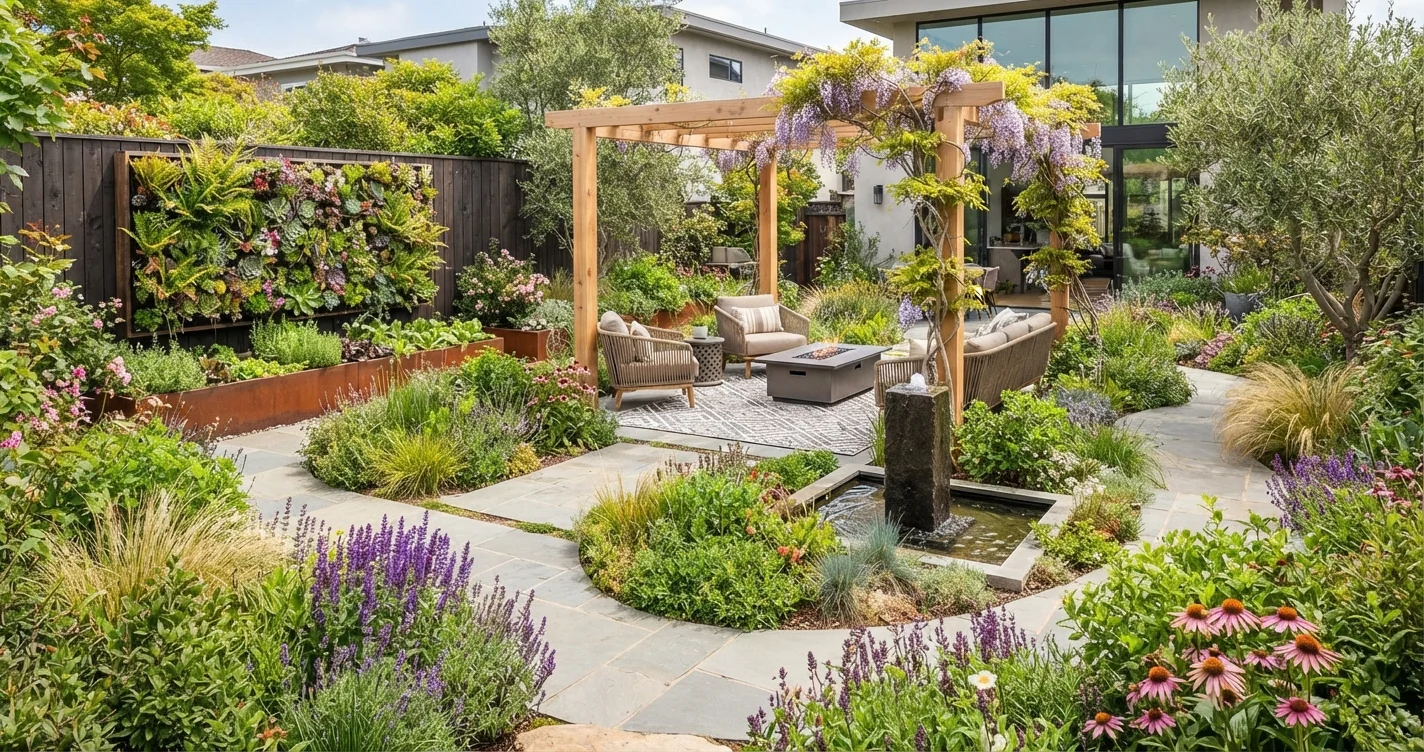
Every year, the world of garden design trends shifts. What felt cutting-edge last season can quickly feel dated. This year, however, the changes are deeper than just swapping out a plant variety. Homeowners are craving outdoor spaces that feel like true extensions of their indoor rooms.
We are seeing a move toward sustainable garden ideas that prioritize local ecosystems. It is no longer just about making a yard look pretty. It is about making it function better for you, your family, and the planet. Let’s explore the six key trends that will dominate your feed—and your backyard—this year.
1. The Rise of the “Rewilded” Garden
Forget the perfectly manicured lawn. The biggest shift in modern landscaping trends is the embrace of wildness. Gardeners are letting native plants take center stage. This approach reduces water usage and attracts local pollinators like bees and butterflies.
A rewilded garden doesn’t mean chaos. It means thoughtful planning with grasses, wildflowers, and shrubs that belong in your region. You create a tapestry of textures that changes with the seasons. It looks beautiful and requires far less maintenance than a traditional green carpet.
This ties directly into the broader concept of creating functional outdoor living areas that work with nature, not against it. The result is a space that feels alive and constantly evolving.
2. Dark and Moody Exterior Palettes
Garden design is borrowing a page from interior decor. Charcoal gray, deep navy, and even black are the new neutrals for fences, sheds, and planters. These dark hues make vibrant foliage pop like never before.
Imagine a black trellis against bright green ivy or a deep charcoal planter holding yellow marigolds. The contrast is dramatic and modern. This trend works especially well in smaller yards, where dark boundaries create the illusion of depth and push the garden edges outward visually.
If you are planning a structural overhaul, check out our guide on smart space planning for compact lots to make the most of these dramatic color choices without overwhelming your area.
3. Multi-Functional Zones for Daily Living
The pandemic changed how we use our homes. Now, our gardens must serve multiple purposes. A single yard this year is often an outdoor kitchen, a home office, a yoga studio, and a play area all rolled into one.
Designers are using distinct paving materials and low-growing hedges to “zone” these areas without building walls. A concrete pad becomes the dining zone. A gravel circle with a fire pit becomes the evening lounge. This flexibility is the core of modern backyard design inspiration.
For more ideas on blending indoor comfort with fresh air, explore our curated content on innovative home design concepts that translate perfectly to the garden.
4. Edible Ornamentals (Foodscaping)
Why separate the vegetable patch from the flower bed? This year, top garden design trends demand that edibles pull their aesthetic weight. Kale with its ruffled leaves looks stunning next to tulips. Rainbow chard and purple basil are as decorative as any perennial.
This “foodscaping” approach means you harvest dinner from a garden that looks like it belongs in a magazine. It is one of the most rewarding sustainable garden ideas because it cuts your grocery bill and eliminates food miles entirely. Plus, it tastes better.
5. The Return of the “Secret Garden”
Privacy is the ultimate luxury. After years of open-plan living, people crave hidden nooks where they can escape. This is driving a trend toward enclosed garden rooms. Think tall hedges, woven willow screens, and pergolas draped with climbing vines.
These spaces are intimate. They feel removed from the stress of daily life. Add a hammock or a simple bench, and you have a personal sanctuary. This trend proves that a garden doesn’t need to be huge to be transformative—it just needs a sense of enclosure.
According to recent data from top home and garden resources, creating these privacy pockets increases the perceived value of your entire property by making it feel larger and more usable.
6. Water-Smart Hardscaping
Climate consciousness is influencing materials. Porous pavers, gravel, and decomposed granite are replacing solid concrete patios. These permeable surfaces allow rainwater to soak back into the ground instead of running off into storm drains.
This is not just about being eco-friendly. It is practical. A gravel path doesn’t form puddles. A permeable patio stays cooler underfoot on a hot day. Pair this with a rain barrel system or a small dry creek bed, and you have a landscape that manages water beautifully. It is a simple way to implement modern landscaping trends without a major budget.
Here is a quick comparison of popular hardscaping materials:
| Material | Water Permeability | Maintenance | Best Use |
|---|---|---|---|
| Gravel | High | Low | Paths, Driveways |
| Permeable Pavers | High | Medium | Patios, Walkways |
| Decomposed Granite | Medium-High | Low-Medium | Garden Borders |
| Concrete Slab | None | Low | High-traffic Areas |
Tools to Bring These Trends to Life
You do not need a professional landscaper to adopt these ideas. Start small. Replace one patch of lawn with native wildflowers. Paint an old fence a dark, moody color. Add a single bench in a quiet corner.
For a deeper dive into seasonal maintenance and project planning, make sure to check the latest updates on our main blog page for step-by-step tutorials and video guides.
Frequently Asked Questions
What is the biggest trend in garden design this year?
The biggest trend is the “rewilded” garden, which prioritizes native plants and biodiversity over manicured lawns. It saves water and supports local wildlife.
Are dark colors still popular for outdoor spaces?
Yes. Dark and moody palettes for fences, furniture, and planters remain extremely popular because they create high contrast and make green foliage stand out.
How can I make my small garden look bigger?
Use dark paint on boundary fences to blur the edges. Install a mirror on a shaded wall. Use vertical planting to draw the eye upward rather than focusing on the limited ground space.
What are the best low-maintenance plants for modern landscaping?
Ornamental grasses, succulents (in dry climates), lavender, and native perennials like echinacea and black-eyed Susans require very little care once established.
Is it expensive to create a sustainable garden?
Not necessarily. Rain barrels are affordable. Reusing bricks or stones for paths is cheap. Native plants cost the same as exotic ones but require less water and fertilizer, saving you money long-term.
Can I mix vegetables with flowers?
Absolutely. This is called “foodscaping.” Vegetables like kale, chard, and peppers have beautiful foliage that fits perfectly among ornamental flowers. It is both productive and beautiful.
How do I create privacy in my garden?
Fast-growing hedges (like laurel or privet), bamboo screens in pots, tall wooden slatted fences, and climbing plants on pergolas are excellent ways to create a secret garden feel.
Conclusion
This year, your garden should be a reflection of your lifestyle. Whether you choose a rewilded meadow, a dark and moody escape, or a food-filled paradise, the key is intentionality. The best garden design trends are those that make you want to step outside and stay there.
Embrace sustainability. Seek privacy. And don’t be afraid to let a little wildness in. Your outdoor space is waiting for its next chapter.