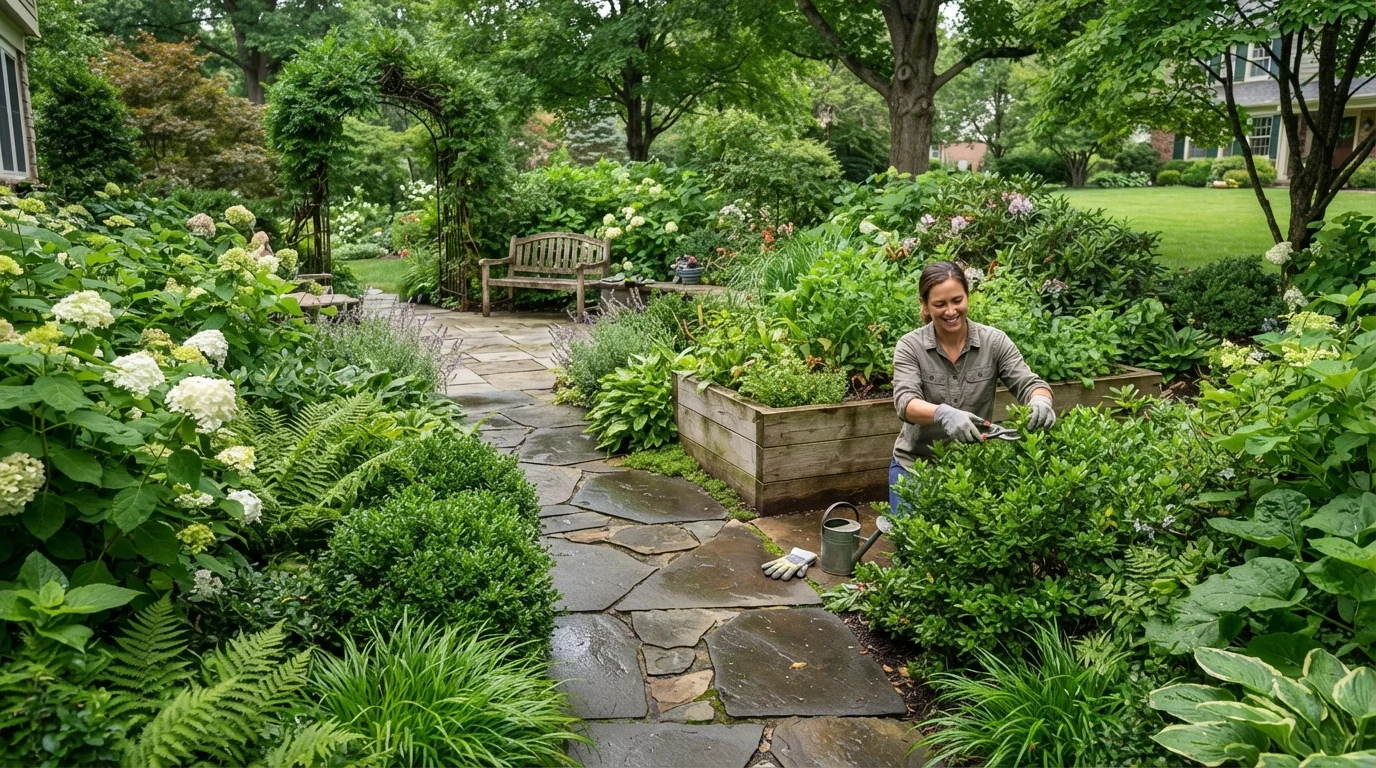
Every weekend warrior dreams of a yard that looks like it was plucked from the cover of a glossy magazine. You water, you fertilize, you weed, yet somehow your neighbor’s grass is always greener. The truth is, achieving that always-green garden isn’t about luck or a secret potion. It comes down to strategies that professional landscapers use day in and day out. And the best part? You don’t need a crew of ten or a five-figure budget to pull it off.
In this guide, I’m pulling back the curtain on the exact tactics I’ve used in countless projects over the last 15 years. Whether you’re a seasoned green thumb or just getting your hands dirty for the first time, these principles will transform your outdoor space into a lush green garden that stays vibrant all year long. Let’s dig in.
Why Your Garden Isn’t Green Right Now (And How to Fix It)
Before you can fix a problem, you have to understand what’s causing it. Most homeowners make the same three mistakes: they ignore the soil, they plant the wrong things, and they water haphazardly. A garden that goes brown or patchy in a dry spell is often a garden battling weak roots or poor drainage.
Professional landscapers start by looking underground. If your soil is compacted or lacks organic matter, no amount of miracle spray will save it. The fix isn’t glamorous, but it’s essential. A simple soil test—available at any garden center or online—tells you exactly what your yard needs. Correct the pH and nutrient levels, and you’ve already won half the battle.
If you’re planning a full design overhaul, it helps to think about how every element connects. For more ideas on creating a cohesive layout, check out our tips on garden design fundamentals that balance beauty with function.
Step One: Master the Foundation — Soil Prep Like a Pro
Think of soil as the engine of your garden. If the engine runs rough, the whole car sputters. Soil preparation for garden success starts with aeration. Landscapers use core aerators to pull plugs of soil, allowing air, water, and nutrients to reach the root zone. You can rent a machine at your local hardware store for less than a hundred bucks for an afternoon.
Next comes organic matter. I’m talking about compost, aged manure, or leaf mold. Spread a two-inch layer over your beds and till it in gently. This single habit improves moisture retention, feeds beneficial microbes, and buffers against drought stress. It’s the cheapest insurance policy for a lush green garden.
Finally, level and grade your beds so water doesn’t pool. Even minor depressions can drown roots or create breeding grounds for fungus. A pro-level finish here means you’re setting the stage for consistent, deep green growth.
Step Two: Plant Selection — Choosing Plants That Stay Green Year-Round
You can force a finicky plant to look good, but why fight uphill? Landscapers lean on proven performers. For an always-green garden, evergreens are your backbone. Boxwood, holly, and yew provide structure and color even when deciduous trees are bare. Pair them with ornamental grasses for texture and groundcovers like creeping jenny or vinca to choke out weeds.
Don’t overlook native species. They’re adapted to your rainfall and temperature swings, so they stay lush with less fuss. A mix of broadleaf evergreens, conifers, and seasonal perennials creates depth and ensures there’s always something in bloom or at peak color.
Here’s a quick list of pro-approved plant picks for a consistent green look:
- Boxwood (Buxus) — Classic, tidy, and thrives in partial shade.
- Wintercreeper (Euonymus fortunei) — Hardy groundcover that stays green even in snow.
- Heuchera (Coral Bells) — Offers vibrant foliage in green, bronze, and purple.
- Fargesia (Clumping Bamboo) — Non-invasive and provides instant privacy with lush leaves.
- Liriope (Lilyturf) — Perfect for borders, keeps its green color through fall.
When planning your layout, think about how these plants interact with your home’s architecture. For a seamless flow, take a look at our guide on home design principles that extend your living space outdoors.
Step Three: The Smart Watering System Pros Rely On
Overwatering is just as dangerous as underwatering. Pros use deep, infrequent watering to encourage roots to grow downward. Shallow watering creates weak, surface-level roots that fry in the first heat wave. Install drip irrigation or soaker hoses on a timer—it’s a game-changer.
Water in the early morning, never at night. Wet leaves overnight invite powdery mildew and rot. Also, adjust your schedule by season. A garden needs more moisture in July than in October. If you’re unsure, stick your finger two inches into the soil. If it’s dry, water. If it’s damp, wait.
For larger properties, consider zoning your irrigation. Group plants with similar water needs together. This simple professional landscaping tip saves water and keeps every corner of your yard consistently green.
Step Four: Fertilization — Feed Your Soil, Not Just the Plants
There’s a common myth that more fertilizer equals a greener lawn. In reality, too much nitrogen burns roots and turns your grass yellow. Pros use slow-release organic fertilizers that feed the soil food web. Think fish emulsion, seaweed extract, or compost tea.
Apply a balanced formula (like 10-10-10) in early spring and again in late fall. Remember, you’re feeding the microbes that feed the plants. Healthy soil biology means your garden can access nutrients naturally, which leads to that deep, even green we all want. Avoid synthetic quick-fix products; they provide a temporary high but crash the system later.
Here’s a simple fertilization schedule used by many landscapers:
| Season | Action | Product Type |
|---|---|---|
| Early Spring | Apply balanced slow-release fertilizer | Organic 10-10-10 |
| Late Spring | Top-dress beds with compost | Compost or worm castings |
| Summer | Light liquid feed every 3 weeks | Seaweed extract or fish emulsion |
| Fall | Apply winterizer formula | Low-nitrogen, high-potassium mix |
This routine keeps your plants robust without shocking them. Combine it with good watering, and you’re well on your way to a lush green garden that turns heads.
Step Five: The Year-Round Maintenance Schedule
Consistency beats intensity every time. A proper garden maintenance schedule means you’re out there for 20 minutes a week rather than spending a whole weekend trying to rescue a neglected mess. Pros break it down by season.
In spring, prune dead wood, edge beds, and refresh mulch. Summer is for deadheading, spot watering, and monitoring for pests. Fall is the power season: aerate, overseed (if you have lawn), and apply a final feeding. Winter is the time for tool maintenance, planning, and maybe adding hardscape elements like stone paths or a pergola.
If you’re looking to extend your outdoor living space, our outdoor living guide offers inspiration for integrating functional areas without sacrificing greenery.
Also, deploy a layer of organic mulch—wood chips or shredded bark—around your beds. Mulch moderates soil temperature, retains moisture, and breaks down into humus. Reapply every spring, and you’ll notice your garden stays greener longer between waterings.
Step Six: The “Secret Sauce” — Observation and Adaptation
I’ve saved the most important tip for last. The real secret of professional landscapers is their ability to observe. They walk the garden every few days, looking for subtle changes. A slight yellowing leaf, a patch of moss, or a colony of aphids can be caught early before it becomes a big problem.
Keep a garden journal. Note what bloomed, what struggled, and how the rain pattern is shifting. Over time, you learn your microclimate intimately. That knowledge is worth more than any expensive gadget. Adapt your watering, pruning, and planting based on what you see, not what a calendar tells you.
For expert resources, many pros turn to quality guides and tools to refine their techniques. For example, you can find comprehensive advice and products that support an always-green garden and help streamline your efforts with proven solutions.
Frequently Asked Questions
1. How often should I water for an always-green garden?
Water deeply once or twice a week, depending on rainfall. Avoid daily shallow sprinkling. Early morning is best. Stick your finger in the dirt—if it’s dry two inches down, it’s time to water.
2. What’s the best mulch for keeping a garden lush?
Organic mulches like shredded hardwood bark or pine straw are top choices. They break down over time, enrich the soil, and hold moisture. Apply a 2-3 inch layer, but keep it away from plant stems to prevent rot.
3. Can I have a green garden in full shade?
Absolutely. Choose shade-tolerant evergreens like ferns, hostas, heuchera, and Japanese forest grass. These plants thrive without direct sun and can create a rich, textured look.
4. Why is my lawn patchy even though I water it?
Patchiness often points to soil compaction, poor drainage, or uneven thatch. Core aeration, dethatching, and a soil test will diagnose the issue. Also check for grubs or fungus.
5. Do I need to fertilize in winter?
Generally no. Most plants are dormant and don’t need nutrients. However, you can apply a winterizer fertilizer in late fall to strengthen roots for spring. Avoid nitrogen-rich feeds after October.
6. What’s the easiest way to reduce weeding?
Mulch and dense planting. When you fill beds with groundcovers and perennials, there’s less bare soil for weeds to colonize. A thick mulch layer also blocks sunlight from weed seeds.
7. How do I choose the right evergreen for my zone?
Check your USDA hardiness zone first. Then pick evergreens rated for your zone plus one colder. For example, if you’re in zone 6, choose plants hardy to zone 5. This gives them a buffer against harsh winters.
8. Should I hire a pro or DIY for a complete garden overhaul?
It depends on your budget and time. If you have the skills to design and execute, DIY is rewarding. But a professional can save you costly mistakes, especially with grading, drainage, and plant selection. For inspiration, browse our blog for project ideas that match your skill level.
Conclusion
An always-green garden isn’t a fantasy—it’s the result of smart fundamentals: rich soil, the right plants, consistent watering, and regular observation. You don’t need to be a pro to apply these secrets. Start with a soil test and a fresh layer of compost.
Then, be patient. Nature moves at its own pace. But if you follow the steps I’ve laid out here, your yard will reward you with a deep, lasting green that stays vibrant through every season. And the next time a neighbor asks, “How do you do it?” you’ll have a honest answer: you learned the pro way.
Ready to take the next step for your home? Understanding how your garden interacts with your overall property is key. Explore more on space planning strategies to make the most of every square inch.